
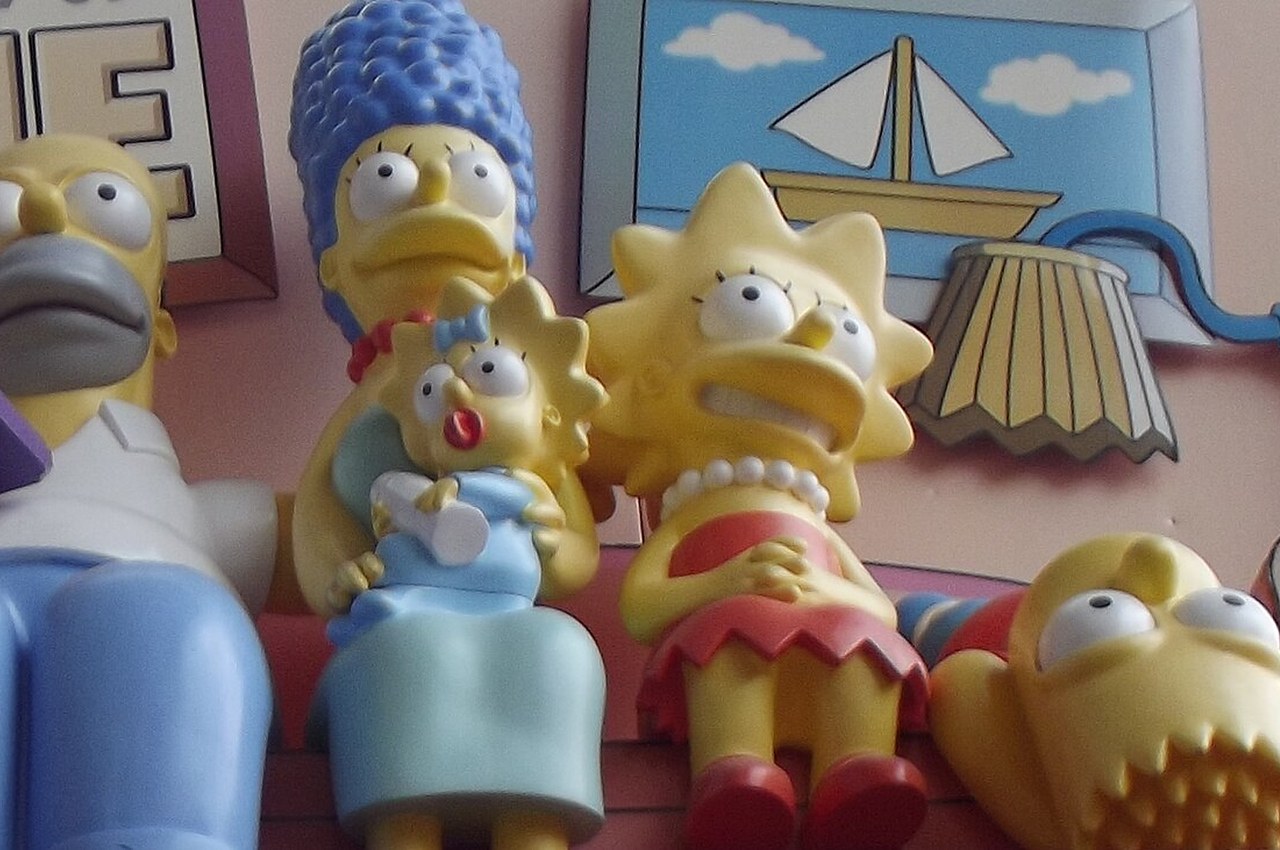
It started as a TV family joke. Then it became a food-marketing machine hiding in plain sight.
For more than three decades, The Simpsons has done less to change what Americans cook at home than to influence the branded snacks, treats, and food experiences they recognize instantly.
From Prime-Time Satire to Pantry Branding
When The Simpsons premiered as a standalone prime-time series on December 17, 1989, it arrived as a parody of ordinary American family life, not as a food story. Yet food was built into the show’s visual language from the start: donuts, cereal, vending-machine junk, drive-thru meals, and endless convenience-store runs. That mattered because the series made processed American food feel not merely familiar, but symbolic.
Early reviewers understood the family’s cultural power. The Washington Post described the Simpsons in 1990 as more recognizable than the polished sitcom households audiences were used to seeing, and that realism gave every prop on screen extra resonance. Homer’s pink donut and Bart’s sugar-fueled chaos were not abstract cartoon bits. They belonged to a world viewers already knew.
The first major bridge from satire to supermarket came quickly. According to the Los Angeles Times, advertisers including Butterfinger and Burger King were using Simpsons characters in national campaigns by 1990, turning Fox’s animated family into corporate pitchpeople almost overnight. That mattered because Butterfinger was already an established candy brand, with Ferrero noting that the bar has been on the market since 1923. The show did not invent America’s taste for sweets, but it gave packaged indulgence a sharper, more mischievous identity.
Why Fictional Foods Became Real Products
The clearest proof of influence came when imaginary Simpsons food left the screen and entered stores. During the 2007 rollout for The Simpsons Movie, selected 7-Eleven locations were transformed into Kwik-E-Marts, and The Washington Post reported that shoppers could buy Krusty O’s cereal boxes alongside other Springfield-themed items. That was more than licensing. It was a demonstration that fictional food brands could generate real consumer excitement.
Krusty O’s worked because viewers already understood the joke. The cereal spoofed the excesses of kid-focused breakfast marketing while also looking believable enough to sit beside actual boxes on a shelf. That double effect, satire plus sellability, is where The Simpsons proved unusually potent. It mocked food branding even as it expanded the possibilities of food branding.
That legacy still matters in an era when food companies routinely lean on nostalgia, character tie-ins, and limited-edition drops. The show did not single-handedly create that strategy, and it would be an overstatement to say it transformed home eating habits nationwide. But it helped normalize the idea that consumers would happily buy food partly for the story, joke, or franchise attached to it.
The Lasting Power of Eating the Joke
If the supermarket was one battleground, themed dining became another. Universal Orlando now operates Springfield, U.S.A., where visitors can eat a Krusty Burger and buy the giant pink donut sold at Lard Lad Donuts. Universal’s official materials present those foods not as novelties on the fringe, but as central attractions. In other words, Simpsons food is no longer just seen on screen. It is consumed as part of an immersive brand world.
That shift says something important about modern American food culture. Increasingly, people are not only buying flavor or convenience; they are buying recognition, irony, and participation. A giant pink donut succeeds because it is edible, but also because it is instantly legible. Everyone understands the reference before taking the first bite.
The real achievement of The Simpsons, then, is narrower and more interesting than the biggest claims made for it. The show did not remake the American dinner table in any measurable way. What it did do was help fuse entertainment, appetite, and consumer identity, making branded food feel like part of the joke, and part of the fun, long before that became standard industry practice.