Ex-Trader Joe’s Workers Are Finally Saying What They Really Think About Your Shopping Habits

National grocery chains are still dealing with demand spikes driven by social media, limited-run products, and shoppers who move quickly when a snack or frozen item goes viral. At Trader Joe’s, that broad retail pattern has turned into a specific complaint from former workers who say some customers are making routine store operations harder by emptying shelves of a single item. The issue surfaced in recent July 2026 coverage built around former employees’ accounts of what they say is one of the most disruptive shopping habits in the chain’s stores.

Former workers say the problem is bulk-buying straight from the sales floor

Nick Mayer/Pexels
Nick Mayer/Pexels

The most specific complaint is simple: former Trader Joe’s workers say shoppers should stop clearing entire shelf displays when buying in bulk, according to a Grocery Coupon Guide report distributed by NewsBreak and highlighted again by Parade on July 20, 2026. Those reports said ex-employees described customers taking whole rows, boxes, or displays of viral products at once, especially after social media posts send sudden traffic into stores. Parade reported that the behavior is frustrating in part because Trader Joe’s locations typically cannot replace those items immediately.

The scale matters because Trader Joe’s is a large national grocer. Publicly available company data and recent reporting indicate the chain operates hundreds of U.S. stores and employs tens of thousands of crew members, which means even a recurring etiquette problem can affect daily operations across many markets. Trader Joe’s has also said through its own podcast transcripts that shoppers should ask crew members questions in-store, underscoring that staff interaction is part of how the chain handles product information and availability.

Former workers’ advice, as summarized in the recent reports, is to speak directly with store staff if a larger quantity is needed. The cited guidance says crew members can often help arrange case orders for nonperishable items instead of having customers remove all publicly displayed stock at once. Neither report identified a companywide new policy change, and Trader Joe’s has not announced a national limit tied to this specific complaint.

What shoppers in local stores can confirm, and what remains store-specific
Roy Broo/Pexels
Roy Broo/Pexels

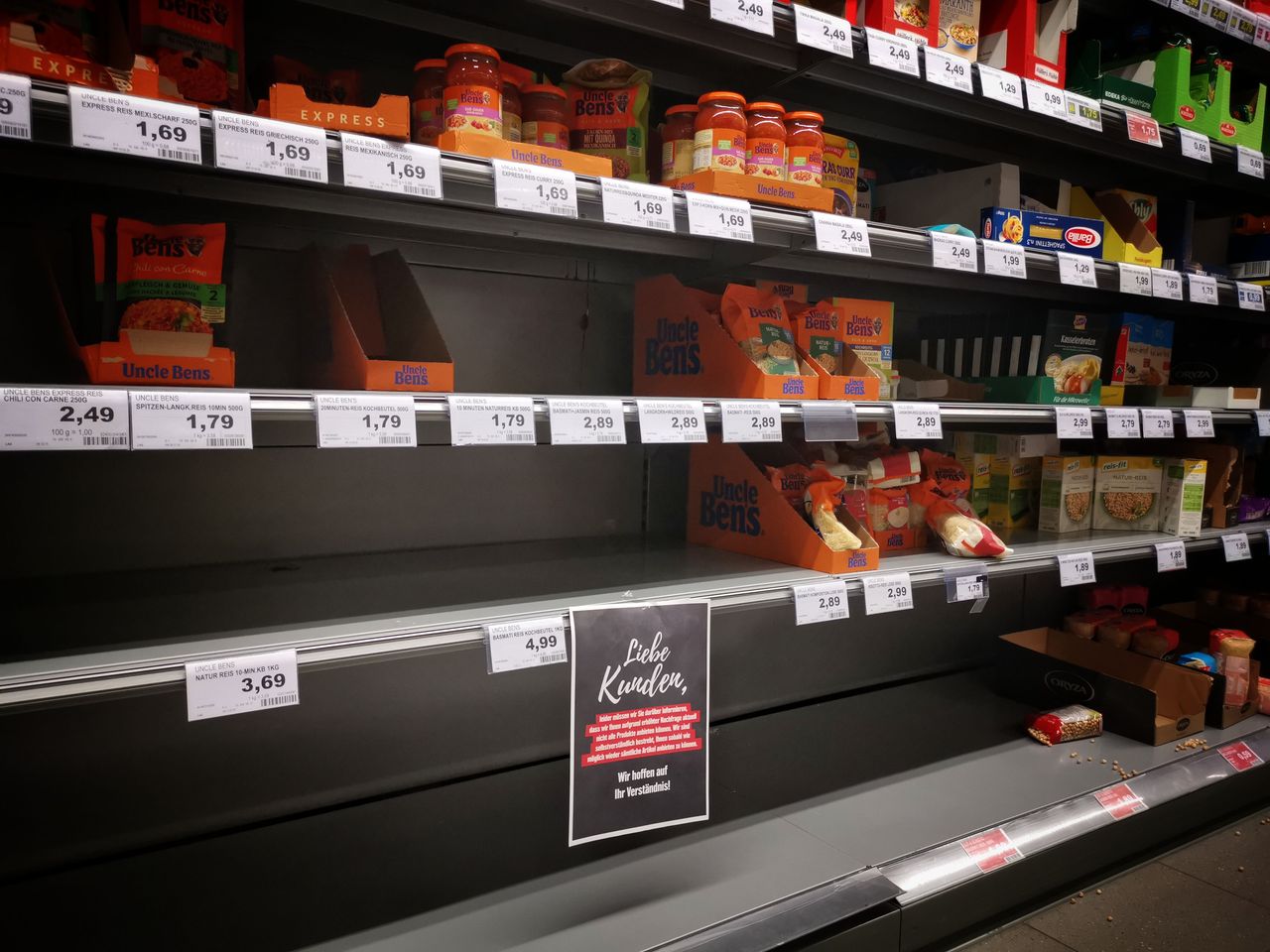
For shoppers in any given city, the visible impact is usually an empty display, not a formal notice. The recent reports say workers often have to explain shortages to disappointed customers after one buyer removes a large share of available stock, and that timing can be especially difficult when the product is already in high demand because of a viral video or seasonal popularity. In practical terms, that means a local store may look sold out even when the issue is not a discontinuation.

What is confirmed is that Trader Joe’s operates with intentionally smaller stores than many traditional supermarkets. Company podcast materials and industry analyses have described the chain’s smaller footprint as a deliberate operating choice, while outside analyses have long noted its more limited assortment compared with conventional grocers. That model helps define the shopping experience, but it also leaves less room for large backroom inventories when demand suddenly jumps.

What is not publicly known on a store-by-store basis is how often bulk shelf-clearing occurs in specific U.S. cities or which locations see it most. Trader Joe’s has not released a comprehensive local breakdown of stores most affected by viral-product buying, and the recent consumer-facing reports rely on former employee accounts rather than a published company inventory dataset. That means shoppers may recognize the pattern locally without having a confirmed city-level tally.

The broader context is Trader Joe’s small-format inventory model

Aleksandar Pasaric/Pexels

The underlying reason cited across the recent coverage is operations. Parade, citing former worker explanations, said Trader Joe’s limited storage space and frequent but relatively small deliveries make it harder to replenish a wiped-out shelf quickly. That aligns with long-running descriptions of the chain’s small-format model, including company materials emphasizing intentionally smaller stores and outside retail analyses describing a limited-SKU approach designed for fast turnover rather than deep stock on hand.

Industry observers have for years pointed to Trader Joe’s unusually lean assortment. Harvard Business School platform analyses have described the chain as carrying only a fraction of the items found in a conventional supermarket, and other retail commentary has noted that smaller footprints reduce room for large stock reserves. In that kind of system, sudden demand spikes from viral snacks or frozen foods can create outsized disruption because the shelf inventory is a larger share of the immediately available supply.

For customers, the takeaway is practical rather than policy-driven. Recent coverage says shoppers who need larger quantities may have better results by asking crew members whether a case can be ordered, instead of pulling all available stock from the floor. Trader Joe’s has not announced a broad new enforcement campaign tied to this issue, but the reporting suggests store-level communication remains the most reliable way to find out whether more product is available or can be brought in on a future delivery.
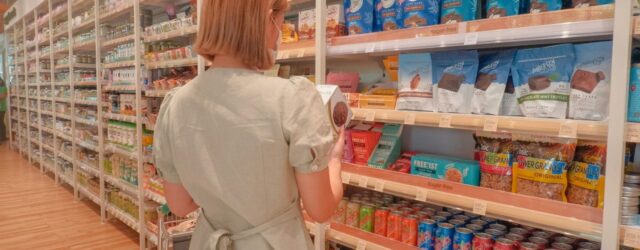
The Real Reason Certain Products Always End Up Right in Front of Your Face

You notice it without thinking. The cereal you keep ignoring is somehow always staring back at you, and the snack by the register feels impossible to miss. That is not luck, and it is not random store tidying.

Eye Level Is Prime Retail Real Estate

In grocery and big-box retail, shelf space works like advertising space: the most visible spots carry the highest commercial value. The U.S. Department of Justice has noted that manufacturers compete for superior placement, including eye-level “faces,” end-of-aisle displays, and checkout positioning. In plain terms, the products easiest to see are often the products somebody fought hardest to place there.

That fight is shaped by economics as much as branding. The Federal Trade Commission’s long-running work on slotting allowances found that suppliers often pay or otherwise negotiate to get products onto shelves, especially in categories like frozen foods, dry grocery, and beverages. Those payments do not always guarantee a precise shelf position, but they can help secure entry, trial time, and better odds in a crowded category.

Retailers also rely on planograms, which are detailed maps showing exactly where every item should go. Those maps are built around expected sales, profit margins, package visibility, and how quickly products turn. A store is not just asking what customers want; it is asking which item earns the most when it is given the best chance to be seen.

Industry research from NielsenIQ reinforces the point. In a test across 18 brands, the company found that visibility, location, and accessibility produced measurable sales lifts. When products are easier to spot, people are more likely to reach for them, which is why the middle shelf so often becomes the battleground.

Your Eyes, Habits, and Impulses Are Part of the Strategy

Shoppers like to believe they compare every option carefully, but most decisions are made under time pressure. People scan shelves quickly, often from left to right and near eye level first, especially in familiar categories like cereal, pasta sauce, yogurt, or chips. The easier an item is to process visually, the more likely it is to enter the decision set before logic fully kicks in.

That is why checkout lanes and aisle endcaps matter so much. According to the Justice Department’s economic analysis of slotting contracts, manufacturers compete not only for eye-level placement but also for high-impulse zones near registers. These are the places where a shopper’s original list weakens and convenience takes over.

Consumer advocates have long pointed out another wrinkle: the items at eye level are not always the cheapest. Store brands or better-value options may be placed lower or higher, while premium national brands sit where attention naturally falls. Consumer Reports has advised shoppers to look beyond the most prominent displays because those jutting shelves and featured placements are designed to tempt, not necessarily to save money.

In food retail, this becomes especially powerful because routine shopping is repetitive. The more often you pass the same layout, the more your brain builds shortcuts. Retailers know that once a product becomes the easy grab, habit can do the rest.

The Shelf Is Built by Data, Not Chance

Modern shelf placement is increasingly driven by performance data. Stores track what sells, how fast it sells, what gets picked up when displayed together, and which promotions lift an entire category instead of a single brand. If salsa sells better beside tortilla chips, or sparkling water gains when moved closer to grab-and-go meals, that information gets folded back into the next reset.

That is also why shelves change even when customers complain. Retailers are testing behavior constantly, looking for combinations that raise basket size, boost margins, or increase impulse purchases. What feels annoying to a shopper can look like a successful experiment on a merchandising spreadsheet.

Manufacturers know this, too, which is why shelf negotiations have become so sophisticated. Established must-have brands may earn placement because customers actively seek them out, but less-established products often need extra promotional support to win attention. The FTC has found that retailers frequently justify these arrangements as a way to offset the costs and risk of introducing new products.

So the real reason certain products always end up right in front of your face is simple: visibility sells. What you see first is the result of contracts, category strategy, store data, and human psychology working together. In a supermarket, the shelf is never just storage. It is one of the most carefully engineered selling tools in the building.

Burger King Just Made a Promise to Customers And It Could Cost You Nothing

Fast-food chains are putting more pressure on speed, order accuracy, and customer retention as competition for value-focused diners stays intense across the U.S. Burger King narrowed that focus on July 20, 2026, when it announced a new Whopper Guarantee tied to mistakes on its signature burger and a new in-store management role aimed at catching problems before they reach the customer. The promise could cost customers nothing extra if an order is wrong, but it signals a larger operational investment by the company and its franchise system.

Burger King ties a free Whopper offer to order mistakes

Burger King said on July 20 that customers whose Whopper is not prepared correctly can have it remade immediately and receive a free classic Whopper for a future visit. The company announced the policy in an official newsroom release, describing it as the “Whopper Guarantee,” and said the offer is being introduced across its U.S. restaurants. According to Burger King, the free future burger is delivered through a QR code placed inside the sandwich box, which generates a six-digit reward code when scanned.

The chain launched the program alongside a new “Your Way Champion” position inside restaurants. Burger King said these managers are identified with a distinct uniform and are responsible for welcoming guests, double-checking order accuracy, and resolving service issues in real time. The company presented both changes as national initiatives rather than a limited-time test in a single market.

Burger King has tied the guarantee specifically to its flagship burger, not to every menu item. That matters because the Whopper has been central to the company’s current turnaround messaging. In February 2026, Burger King also announced upgrades to the sandwich itself, including a more premium bun and boxed packaging meant to help it arrive in better condition, according to the company’s earlier Whopper-focused announcement.

What the nationwide rollout means locally for U.S. diners

For customers in the United States, the practical impact is straightforward: if a Whopper order is wrong, the restaurant is supposed to remake it on the spot and provide a code for a free classic Whopper on a later visit. Burger King has said the initiative is rolling out across its U.S. restaurants, which means the policy is national in scope rather than tied to one state or city. Still, the company has not released a restaurant-by-restaurant list showing whether every franchise location began using the program on the same day.

That leaves some local details unconfirmed. Burger King has not published a comprehensive location list for stores with designated “Your Way Champions,” and it has not publicly broken out participation by state, city, or franchise group. The company also has not released a state-by-state count of restaurants that had new Whopper boxes and QR code redemption materials in place as of the July 20 announcement.

Even with those gaps, the customer-facing promise is clear in markets nationwide, including local drive-thru and counter-service restaurants where Whoppers are sold. Media coverage from outlets including NBC Chicago and Marketing Dive matched the company’s description of the guarantee and the new manager role. For diners, the biggest immediate change is that the remedy for a wrong sandwich is now defined in advance rather than left solely to store-by-store discretion.

Burger King says customer feedback and turnaround efforts drove the change

Burger King said the new policy grew out of a customer listening effort that began earlier in 2026. In its July announcement, the company said the guarantee and the manager initiative were based on feedback from thousands of guests across the U.S. who said consistency, accuracy, and a welcoming restaurant experience mattered most. Burger King President Tom Curtis had previously invited customers to call or text him directly, and the company has used that campaign as a centerpiece of its recent brand-reset messaging.

The change also fits into Burger King’s broader turnaround strategy. Trade coverage from Marketing Dive described the Whopper Guarantee as part of the chain’s effort to improve brand perception and strengthen restaurant performance. Burger King has been investing in food quality, operations, and service standards as it tries to win repeat visits in a crowded quick-service market.

For customers, the outcome is less about a one-time giveaway than about a more formal service policy. Burger King is saying publicly that a mistake on its best-known burger should trigger both an immediate fix and a no-cost future item. The company said additional operational and menu updates tied to guest feedback are expected later in 2026, keeping the Whopper at the center of its customer-retention strategy.

Thousands of Pounds of Soup Just Got Pulled. The Reason Has Nothing to Do With the Recipe

Food recalls tied to allergens often turn on packaging and labeling mistakes rather than a flaw in the food itself. That is the case in the latest soup pull involving Whole Foods Market Kitchen Minestrone Soup, which was recalled after a cup was found to contain the wrong product.

Kettle Cuisine recalled a specific lot of Whole Foods Market soup

Kettle Cuisine of Lynn, Massachusetts, announced on May 21, 2026, that it was recalling 24-ounce cups of Whole Foods Market Kitchen Minestrone Soup because the product may contain undeclared shrimp, according to the company announcement posted by the FDA. The issue was not described as a recipe defect or contamination event tied to the intended minestrone formula. Instead, the FDA notice said the recall began after an in-store discovery that a single cup contained the incorrect soup.

The recalled item was sold as Whole Foods Market Kitchen Minestrone Soup in a 24-ounce clear plastic cup. The lot code was 1762181 with a Use By date of 05/27/26 printed on the top rim, and the UPC identifier on the back label was 099482502065, according to the FDA posting. No other soups or use-by codes were included in the recall notice.

The FDA posting identified the hazard as undeclared shrimp, which matters because shrimp is a major crustacean shellfish allergen. The agency notice said no illnesses had been reported as of the May 21 announcement. The public recall notice did not list an FDA enforcement recall number, and no classified recall number was confirmed in the materials reviewed for this article.

The distribution footprint reached 18 states and Washington, D.C.

According to the FDA notice, the recalled soup cups were distributed to Whole Foods retail stores in Alabama, Connecticut, Florida, Georgia, Maine, Maryland, Massachusetts, Mississippi, New Hampshire, New Jersey, New York, North Carolina, Pennsylvania, Rhode Island, South Carolina, Tennessee, Virginia, and Washington, D.C. The notice also said the product was sold nationwide through online sales on the Whole Foods and Amazon websites, which means consumers outside those store states may also have received it through e-commerce fulfillment.

What is confirmed is the state-by-state retail distribution list in the FDA notice and the online sales component. What is not publicly detailed in that same notice is a comprehensive list of individual store locations, city-by-city placements, or the number of units sent to each state. Whole Foods and Kettle Cuisine had not released a full public breakdown of affected stores in each market in the source material reviewed.

For shoppers, the practical guidance in the FDA notice was specific: consumers who purchased the affected soup were advised to return it to the place of purchase for a full refund. The company also provided a consumer contact number in the recall announcement for additional questions, indicating the removal was being handled as a targeted lot-specific recall rather than a broader category withdrawal.

The recall was tied to an incorrect fill and allergen labeling risk

The central reason for the recall was a packaging or fill error, not a reformulation. In the FDA-posted company announcement, Kettle Cuisine said the recall was initiated after it was discovered in-store that a single cup of soup contained the incorrect product, and that the soup in the cup contained shrimp. That means the problem was the mismatch between the product in the container and the label on the container.

That distinction is important in allergen recalls. FDA recall guidance explains that recall notices typically identify the product name, package size, UPC, lot or date code, and consumer instructions so shoppers can isolate the affected product rather than assume an entire category is unsafe. In this case, the official notice limited the issue to one lot code and one use-by date.

For customers, the takeaway is narrow but important: this recall applies to a defined 24-ounce Whole Foods Market Kitchen Minestrone Soup lot and not to all minestrone soup or all Whole Foods prepared soup items. As of the FDA-posted announcement, no illnesses had been reported, and the company’s stated remedy remained a return to the place of purchase for a refund.

A New Study Says This Simple Diet Shift Could Protect Your Heart

Heart disease remains the leading cause of death for women in the United States, and nutrition researchers continue to focus on whether practical eating changes can reduce long-term risk. New findings presented this weekend in the Washington area point to one relatively simple shift: moving toward a more plant-forward diet. The study was presented July 25 at NUTRITION 2026 in National Harbor, Maryland, just outside Washington, D.C.

Researchers link higher Planetary Health Diet scores to lower heart risk

The study, led by University of California, Irvine doctoral student Donya Shahamati, analyzed data from 66,892 postmenopausal women in the Women’s Health Initiative, a long-running national study funded by the National Heart, Lung and Blood Institute. According to the American Society for Nutrition’s meeting materials and a EurekAlert release issued July 25, the women were free of cardiovascular disease at the start of the study period, which began between 1994 and 1998, and were followed for about 20 years. Researchers used baseline food frequency questionnaires to calculate a Planetary Health Diet Index score for each participant.

Women whose diets most closely matched the Planetary Health Diet had about a 28% lower risk of overall cardiovascular disease than women in the lowest-adherence group, according to the research summary. The same higher-adherence group also showed lower risks for coronary heart disease, stroke, and heart failure. Researchers said the association was not limited to those with the very highest scores, because even moderate adherence was linked with lower risk.

The Planetary Health Diet emphasizes fruits, vegetables, whole grains, legumes, nuts, and unsaturated fats, while limiting red and processed meat, added sugars, refined grains, and saturated fats. Shahamati said the findings suggest people may not need a highly restrictive eating pattern to see possible heart-health benefits. She also said each 10-point increase in the diet index score was associated with additional risk reduction.

What the Maryland presentation confirms, and what it does not

The findings were presented Saturday, July 25, during the Climate, Food Systems, Diet, Nutrition and Health Poster Session at the Gaylord National Resort & Convention Center in National Harbor, according to the meeting listing. That gives the research a specific local tie to Maryland, even though the study population itself was national rather than state-based. The American Society for Nutrition has said NUTRITION 2026 runs from July 25 through July 28 in National Harbor.

What is confirmed is the scale of the analysis, the broad direction of the results, and the foods included in the diet pattern. What is not yet known is whether the same level of benefit would appear in men, younger women, or more geographically specific populations, because the presentation focused on postmenopausal women in the Women’s Health Initiative. The researchers also have not released a Maryland-specific breakdown of participants or outcomes.

Another important limitation is that the work was presented as a conference abstract and has not yet undergone the full peer-review process required for journal publication, according to the EurekAlert release. The release also states that observational research cannot prove that the diet directly caused the lower cardiovascular risk. That means the findings add to diet-and-heart evidence, but they do not establish cause and effect on their own.

Why the findings matter for readers watching heart health

Researchers framed the study around a practical question: whether small improvements in diet quality can matter for older women, whose cardiovascular risk tends to increase after menopause. Shahamati said the results are notable because moderate adherence, not just near-perfect adherence, was associated with lower risk. That makes the study relevant to readers who are more likely to make incremental changes than adopt a strict eating plan all at once.

The examples cited by the research team were specific and familiar: filling half the plate with vegetables more often, using avocado or olive oil instead of butter, choosing oatmeal or whole-grain cereal for breakfast, and trying one meatless meal each week. Those changes align with the Planetary Health Diet pattern described in the study materials. The broader message from the presentation is that heart-health strategies may be built through repeated food choices rather than a single overhaul.

The American Society for Nutrition said the research team is continuing to study diet quality and healthy aging in older adult populations. Until a peer-reviewed paper is published, the July 25 presentation stands as an early but closely watched piece of evidence from one of the field’s major annual meetings.

Some States Could Lose Billions in Food Aid Funding, And It’s Not About Budget Cuts

Food assistance remains one of the largest federal anti-hunger commitments in the country, with the Supplemental Nutrition Assistance Program delivering roughly $110 billion a year in benefits. The new pressure point for states is not a broad congressional reduction in SNAP spending, but a funding shift tied to how accurately states administer the program. USDA’s latest payment error data, released June 24, 2026, shows that many states are now at risk of having to absorb part of those food-aid costs themselves.

USDA says 41 states and D.C. crossed the new penalty threshold

The U.S. Department of Agriculture announced on June 24 that the national SNAP payment error rate for fiscal 2025 was 10.62%, representing about $10.1 billion in improper payments, according to the agency’s Food and Nutrition Administration. USDA said 41 states and the District of Columbia posted error rates at or above 6%, the threshold that can trigger new state matching requirements under the 2025 reconciliation law often referred to as the One Big Beautiful Bill Act. That is why the financial risk now facing states is tied to program administration, not to an across-the-board budget cut.

Under the law summarized by USDA and the Congressional Research Service, states with error rates from 6% to under 8% would have to cover 5% of SNAP benefit costs, states from 8% to under 10% would have to cover 10%, and states at 10% or higher would have to cover 15%. In most cases, those requirements could begin Oct. 1, 2027, USDA said. Agriculture Secretary Brooke Rollins said in the department’s release that the figures show state accountability is “severely lacking” in SNAP.

USDA also said the payment error rate is not the same as a fraud rate. The measure includes both overpayments and underpayments, and the agency’s public explanation says it reflects whether states correctly determined eligibility and benefit amounts.

The biggest exposure is in states with the highest error rates, but full local effects remain unsettled

The state-level consequences could be especially large in places where error rates were far above the 6% line. USDA’s published figures show Alaska above 23%, New Mexico near 17%, Delaware at 16%, Georgia above 15%, and Florida near 13% for fiscal 2025. Reporting cited in the Washington Times said Florida alone could risk nearly $1 billion in lost federal SNAP support if its rate is not corrected before the new matching rules take effect.

What is confirmed is the statewide exposure, not a local map of who would feel the impact first. USDA has not released a city-by-city list of communities that would see reduced benefits, and states have not publicly issued comprehensive plans showing whether they would fill any funding gap with state dollars, tighten eligibility processing, or make other administrative changes. The Center on Budget and Policy Priorities said nearly half of states may face $100 million or more in new costs in fiscal 2028 if current rates hold.

There is also a timing complication. CBPP said some states with the very highest error rates may receive delayed implementation under the law, potentially pushing the cost shift to fiscal 2029 or 2030. But for most states, the first key date remains October 2027.

The problem is rooted in administrative mistakes, and residents may already be seeing indirect effects

The causes described by USDA and policy analysts center largely on administration rather than organized fraud. USDA says many errors happen when state agencies miscalculate household expenses or when recipients do not promptly report income changes that affect benefits. A National Governors Association symposium summary cited by the Washington Times said outside reviewers found common drivers including hard-to-use systems, confusing jargon, poorly communicated policy changes, and overloaded caseworkers.

Some states have already moved to reduce those mistakes. The Washington Times reported that Florida lawmakers approved $4 million this year for an artificial intelligence-driven eligibility and error-detection system, while New Jersey cut its error rate sharply after adopting new quality-control protocols. Those examples suggest states are treating the issue as an operational and budget problem, not simply an enforcement issue.

For residents, the practical takeaway is that SNAP itself is not ending, but state administration of the program is under growing pressure. CBPP reported that national SNAP participation fell by more than 4.5 million people between July 2025 and April 2026 as other provisions of the 2025 law took effect. What remains unknown is exactly how each state will respond before the 2027 deadline, but the next round of error-rate data will play a major role in determining how much federal food-aid funding states can keep.

Shoppers Are Quietly Abandoning Their Favorite Brands: The Numbers Just Confirmed It

Brand loyalty is no longer the safe bet many household names assumed it was. In grocery aisles and household staples, shoppers are quietly changing habits that once looked permanent.

The shift is not loud, but the numbers now make it hard to ignore.

The break with old loyalties is happening in plain sight

For years, consumer brands relied on a simple assumption: once a shopper found a favorite cereal, sauce, snack, or detergent, they would keep buying it. That assumption has weakened sharply. Deloitte’s recent consumer research found that 4 in 10 Americans now show deal-driven or trade-down behavior across categories, while separate Deloitte survey work found 77% of holiday shoppers planned to trade down on brands and retailers to stretch budgets.

The food aisle is where that behavior is becoming most visible. McKinsey reported that even high-income households made more economical choices in packaged food during 2025, choosing lower-priced brands and more private-label items than they had just months earlier. That matters because brand defections used to be concentrated among lower-income shoppers. Now the habit is spreading up the income ladder.

The psychological change may be more important than any single price increase. Deloitte said consumer views of fair pricing and brand value have fallen significantly from January 2021 levels after the inflation shock of the past several years. Once shoppers start believing a familiar brand is no longer worth the premium, they become much easier to lose.

That is why this moment feels different from a normal promotion cycle. Consumers are not just bargain hunting for a week; many are resetting what “good enough” means. In packaged food and pantry goods, that creates lasting risk for legacy brands that counted on habit more than active persuasion.

Private label is no longer the backup plan

The clearest proof of the shift is the rise of store brands. Circana reported that U.S. private-label CPG sales reached $330 billion, a striking figure that shows just how mainstream retailer-owned products have become. According to Circana, shoppers increasingly say they trust private labels as much as national brands, especially in food, beverages, paper goods, and kitchen staples.

That trust changes the old equation. Store brands used to win mainly on price, with an understood quality trade-off. Now many consumers see them as competent, reliable, and in some cases nearly interchangeable with branded rivals. If the sensory difference is small and the savings are meaningful, the branded product has to work much harder to justify itself.

Grocers understand this and are leaning in. Circana said national grocers are accelerating private-label gains faster than regional players, while club formats have contributed nearly half of all private-brand growth. Retailers are not treating private label as shelf filler anymore; they are building it as a margin engine and a loyalty strategy.

That puts branded manufacturers in a squeeze from both sides. They face shoppers who are more price-sensitive and retail partners that have every incentive to push their own alternatives. In that environment, simply raising prices and expecting loyalty to hold is becoming a much riskier strategy.

What brands must do if they want shoppers back

The lesson is not that brands are doomed. It is that they can no longer assume recognition alone will carry them. Deloitte’s 2025 consumer products outlook warned that companies may find shoppers trading down, finding substitutes, or exiting categories entirely, and that overreliance on price-led growth can mask deeper relevance problems.

Winning back consumers now requires a clearer value story. That does not always mean being the cheapest option. It can mean better taste, better ingredients, stronger convenience, more consistent quality, or a loyalty program that gives shoppers a tangible reason to stay. Deloitte’s loyalty research found that price, value, and quality remain the top drivers of loyalty, with loyalty programs close behind.

Brands also need to recognize that this is a structural shift, not a brief post-inflation hangover. McKinsey’s broader consumer research in 2025 showed households continuing to make selective trade-offs, trading down in some areas even while spending in others. That means brands are competing for justification, not just shelf space.

The numbers have confirmed what many shoppers were already signaling with their carts. Favorite brands are no longer automatic purchases. In food and pantry categories especially, loyalty now has to be re-earned every single trip.

The Ozempic Boom Has Reportedly Found Its Next Customer, And It’s Not Human

As GLP-1 drugs have reshaped obesity treatment for people, companies across health care and consumer industries have been looking for the next market. That shift has now reached veterinary medicine, where experimental weight-loss therapies for cats are being tested in the U.S. The current work is still in the clinical-trial stage, but it marks one of the clearest signs yet that pet obesity is becoming a drug-development target.

Two U.S. companies are testing feline GLP-1 treatments

The clearest confirmed development is that two U.S. companies are now running early-stage programs aimed at feline obesity. CNBC reported on July 18, 2026, that Akston Biosciences is sponsoring a Cornell University clinical study of a once-weekly GLP-1 therapy for overweight and obese cats, while San Francisco-based OKAVA Pharmaceuticals has begun testing a long-acting implant designed to deliver the medicine for up to six months. Neither product is approved for sale, and CNBC stated there is currently no commercial “Ozempic for cats.”

The Akston-backed Cornell study is evaluating about 70 overweight or obese cats over roughly three months, according to Cornell’s study listing and Akston’s November 25, 2025 announcement. Cornell identified the drug candidate as AKS-562c and said preclinical work in laboratory cats found it appeared safe and effective at limiting food intake. Akston said the therapy is designed as a once-weekly treatment for weight management in client-owned domestic cats.

OKAVA’s program moved on a separate timeline. The company announced on December 2, 2025, that the first cat had been dosed in its MEOW-1 study of OKV-119, which it described as a miniature subdermal exenatide implant. OKAVA said the implant is designed to provide continuous GLP-1 delivery for as long as six months, and ABC News reported the study is examining up to 50 cats with weight assessed at three months and follow-up continuing for six months.

What is confirmed in the U.S., and what is still unknown

The confirmed geography in the public record is national, not local. Cornell University’s veterinary college in New York is conducting Akston’s clinical study, and OKAVA is based in San Francisco, but the available reports do not show a full public list of all trial sites or where every participating pet owner lives. The companies also have not released a comprehensive state-by-state breakdown of enrolled cats.

What is confirmed is the scale of the underlying problem these companies are targeting. CNBC cited data from the Association for Pet Obesity Prevention showing that 61% of cats and 59% of dogs evaluated by U.S. veterinary professionals in 2022 were classified as overweight or obese. That makes feline obesity a large enough issue to attract both biotech developers and established pet-care companies.

What is not yet known is whether these treatments will prove safe, effective, affordable, or widely used in ordinary veterinary practice. Top-line clinical-trial results are expected later in 2026, according to CNBC, but no approved veterinary GLP-1 obesity drug for cats has been announced. Public pricing has also not been released, and that could be a major factor because pet care is typically paid out of pocket.

Why pet obesity is attracting drugmakers and food companies

The business case is tied to both medical need and rising pet spending. CNBC, citing Morgan Stanley analyst Simeon Gutman, reported that the U.S. pet economy is shifting from simple premiumization toward “medicalization,” with owners spending more on veterinary care, diagnostics, supplements, pharmacy services, and therapeutic nutrition. Morgan Stanley estimates U.S. pet food will total about $65 billion in 2026 and overall U.S. pet spending will rise from roughly $196 billion in 2025 to more than $240 billion by 2030.

Cats are a particularly notable target because weight management can be difficult without medication. CNBC reported that, unlike dogs, cats cannot simply be exercised through longer walks, often resist dietary changes, and can be hard to medicate consistently. That helps explain why developers are testing both a weekly injectable approach and a long-acting implant designed to reduce adherence problems.

For pet owners, the immediate takeaway is that these products are still experimental and not yet available through veterinarians as approved obesity medicines. In the near term, the broader market is likely to keep emphasizing prescription diets, structured weight-management programs, diagnostics, and longevity-focused nutrition while trial data is gathered. Even the companies and analysts cited in current reporting have said it is too early to assume pet GLP-1 drugs will mirror the scale of the human market.

After 14 Years, This Miami Favorite Just Served Its Last Plate

Independent restaurant closures have continued to reshape local dining scenes across the country as operators contend with higher costs, tighter margins and uneven customer traffic. In Miami, that pressure has now reached Blue Collar, the MiMo District restaurant that spent 14 years building a following for its comfort-food menu on Biscayne Boulevard. Its final service in May closed a chapter for one of the city’s best-known neighborhood restaurants.

Blue Collar served its final meals in mid-May

Blue Collar, the Miami restaurant led by owner and chef Danny Serfer, permanently closed after its final day of service on Sunday, May 17, 2026, according to reporting from the Miami Herald and Miami New Times. Serfer announced the closure on Instagram on Friday, May 15, telling customers that the restaurant would finish service that weekend. The closing ended a 14-year run at 6730 Biscayne Blvd. in Miami’s MiMo District, where Blue Collar had become a fixture for local diners and visitors alike.

The restaurant was widely known for a menu built around comfort-food staples, and its closing was reported as one of the most notable Miami restaurant departures of the spring. Miami New Times described Blue Collar as a “comfort food staple” and reported that the restaurant had operated for 14 years before shutting down. The Miami Herald likewise reported that Blue Collar would close that Sunday, confirming the end date after the social media announcement.

The scale of the closure was limited to the single Miami restaurant that operated under the Blue Collar name on Biscayne Boulevard. Public reporting reviewed for this article did not identify additional Blue Collar outposts in Florida that were affected by the shutdown. What ended was one established neighborhood dining room, but one with an outsized profile in Miami’s restaurant scene because of its longevity and reputation.

What the closure means in Miami

The confirmed impact is centered in Miami’s MiMo District, where Blue Collar had operated for more than a decade and helped anchor the neighborhood’s casual dining mix. The restaurant’s address, 6730 Biscayne Blvd., is the location repeatedly identified in coverage of the closing. No broader list of Miami-Dade locations exists because Blue Collar’s closure involved that single confirmed restaurant.

What remains unconfirmed is whether any future concept will take over the space immediately or whether the Blue Collar brand could reappear in another form. Public statements cited in local coverage focused on the restaurant’s final weekend of service, not on a relocation plan. The company has not released any public list of additional affected Miami locations because none were identified in the available reporting.

The timing also matters for Miami. Axios reported in late May that restaurateurs were bracing for another difficult summer slowdown, with Blue Collar’s closure arriving just before the seasonal dip that often pressures local operators. That places Blue Collar’s exit within a broader Miami pattern of restaurant churn in 2026, even though the direct impact that has been publicly confirmed is specific to one longstanding neighborhood establishment in the city.

The closing reflects broader pressure on independent restaurants

No detailed public explanation for Blue Collar’s closure was laid out in the reports announcing its final service. That gap is important: neither the Miami Herald nor Miami New Times published a formal breakdown of the restaurant’s finances, lease terms or staffing situation tied directly to the decision. In other words, the exact cause of this closure has not been publicly itemized in the source material now available.

Still, local and industry reporting has provided broader context for the environment in which the restaurant closed. Axios reported that Miami operators were entering a “brutal summer slowdown,” while the NewsBreak report tied Blue Collar’s shutdown to challenges facing independent restaurants nationwide, including rising operating costs, labor strain, rent pressure and shifting consumer spending. Those factors were presented as industry context rather than a confirmed single cause in Blue Collar’s case.

For customers, the practical reality is straightforward: Blue Collar’s MiMo District dining room has stopped service, and its last meals were served on May 17, 2026. There has been no public announcement of a reopening date, replacement site or continuation of regular service under the same restaurant name in Miami. As of the latest local reporting, the closure stands as final, ending one of the city’s most recognizable neighborhood restaurant runs on a factual, not temporary, note.

Nearly 1.6 Million Dozen Eggs Just Got Pulled From Shelves: Is Yours One of Them?

A major shell egg recall in 2025 became one of the larger food-safety actions of the year after federal investigators traced illnesses to a California supplier. The specific recall involves August Egg Company of Hilmar, California, which on June 6, 2025, recalled about 1,700,000 dozen brown cage-free and brown certified organic eggs, according to the FDA.

What was recalled, and how big is it?

August Egg Company announced the recall on June 6, 2025, after eggs were linked to a Salmonella Enteritidis outbreak, according to the FDA and the CDC. The FDA said the recall covered about 1.7 million dozen shell eggs, a figure often rounded in headlines to nearly 1.6 million dozen, and the products were sold under multiple brand names. FDA outbreak records said the company’s eggs were tied to 134 reported illnesses, 38 hospitalizations and one death across 10 states by the agency’s July 10, 2025 update.

The recalled products were brown cage-free and brown certified organic eggs with plant code numbers P-6562 or CA-5330 and Julian dates between 32 and 126 printed on the carton or package, according to the FDA. The agency listed products including Clover Organic Large Brown 12 eggs, Nulaid Medium Brown Cage Free 12 eggs, Nulaid Jumbo Brown Cage Free 12 eggs, O Organics Cage Free Large Brown 6 eggs, O Organics Large Brown 12 eggs and 18 eggs, Marketside Organic Large Cage Free Brown 12 eggs and 18 eggs, Marketside Large Cage Free Brown 12 eggs and 18 eggs, Raley’s Large Cage Free Brown 12 eggs, and First Street Cage Free Large Brown Loose 1 case = 150 eggs.

The FDA listing also included UPCs for many cartons, including Clover Organic Large Brown 12 eggs, UPC 070852010427; Nulaid Medium Brown Cage Free 12 eggs, UPC 071230021042; Nulaid Jumbo Brown Cage Free 12 eggs, UPC 071230021011; O Organics Large Brown 12 eggs, UPC 079893401508; Marketside Large Cage Free Brown 12 eggs, UPC 681131122764; and Raley’s Large Cage Free Brown 12 eggs, UPC 046567033310. The FDA recall announcement directed consumers to return recalled eggs to their place of purchase for a full refund. FDA materials reviewed for this article did not show a posted FDA enforcement recall number or hazard classification on the public recall announcement page.

Where the eggs were sold

The state-by-state distribution list is specific. According to the FDA, eggs were distributed within California and Nevada from February 3, 2025, through May 15, 2025, with sell-by dates from March 4, 2025, to June 4, 2025, through retailers including Save Mart, FoodMaxx, Lucky, Smart & Final, Safeway, Raleys, Food 4 Less and Ralphs.

The FDA also said eggs were distributed from February 3, 2025, through May 6, 2025, with sell-by dates from March 4, 2025, to June 19, 2025, to Walmart stores in California, Washington, Nevada, Arizona, Wyoming, New Mexico, Nebraska, Indiana and Illinois. That means the full state list named by regulators is Arizona, California, Illinois, Indiana, Nebraska, Nevada, New Mexico, Washington and Wyoming.

What is not publicly detailed in the federal notices is a store-by-store location list for every affected market outside the chains named in the recall. The FDA identified the states and some retail banners, but it did not publish a comprehensive list of individual store addresses in each state. Federal outbreak records also noted confirmed product distribution to those nine states, while reported illness cases were recorded in a somewhat different group of 10 states during the investigation.

Why this happened and what shoppers should know

Federal agencies said the recall followed a multistate outbreak investigation. According to the FDA, traceback work identified August Egg Company as a common supplier, and inspectors collected environmental samples at cage-free laying houses used by the company. The FDA said three environmental samples matched the outbreak strain of Salmonella by whole genome sequencing, and eggs from that facility were already included in the recall.

The CDC said August Egg Company recalled eggs on June 6, 2025, after investigators connected patient interviews and supply-chain information to the company’s products. FDA records also said August Egg Company began diverting all eggs to an egg breaker in May 2025, a processing step the agency said eliminates the Salmonella risk for those eggs.

For shoppers, the practical guidance remained narrow and specific. Consumers were told by the FDA to check cartons for plant codes P-6562 or CA-5330 and Julian dates 32 through 126, then return recalled eggs to the place of purchase for a full refund. By the FDA’s July 10, 2025 outbreak update, regulators said all recalled eggs should have been off the market and beyond shelf life, but the agency also noted that the company and regulators were working on corrective and preventive actions.