
Why the GLP-1 Boom Is Suddenly Showing Up on College Campuses

GLP-1 drugs moved from a niche diabetes treatment to a fast-growing weight-loss business as insurers, telehealth firms and food operators adjusted to rising demand across the U.S. On college campuses, that shift is now showing up in student health visits, dining conversations and wellness planning as institutions respond to a generation encountering Wegovy, Zepbound and compounded alternatives earlier than many administrators expected. The change is not tied to one school or one state, but recent reporting and research show campuses are now intersecting with the same forces reshaping the broader health and food economy.

Telehealth access is bringing the GLP-1 surge closer to students

A key recent event came on July 6, 2026, when JAMA published a Yale-led secret-shopper study showing how widely GLP-1 prescriptions were available online. According to the study and Yale School of Medicine, researchers approached 49 websites and 45 issued a prescription, while 34 mailed medication, often with limited direct clinician interaction. That scale matters for college-age adults, who are already heavy users of app-based care and same-day digital services.

The study found only a minority of sites required a live video or phone encounter before prescribing, according to Yale and coverage by The Washington Post and AP. Researchers said the growth of online GLP-1 prescribing was driven in part by telehealth platforms paired with compounding pharmacies, a model that lowered friction for patients seeking treatment. For students living away from home, managing busy schedules and navigating fragmented insurance coverage, that kind of access can fit the way they already seek care.

What is not yet known is how many college students are getting these drugs through campus clinics rather than outside telehealth companies. Schools generally have not released campus-by-campus counts, and there is no national public database breaking GLP-1 use out specifically for enrolled college students. But the prescribing environment has become easier to enter just as awareness of the drugs has become widespread among young adults.

Campuses are seeing the effects in health services, dining and wellness planning

The campus impact is emerging less through public tallies than through the kinds of services colleges are building around student health. University job postings and campus program announcements show some schools expanding obesity medicine, nutrition counseling and performance-focused dining support. At the University of Colorado Anschutz Medical Campus, a June 22, 2026 posting for a patient services role described a growing weight management clinic that uses medical, dietitian and psychology support for patients with overweight or obesity.

Dining operations are also moving closer to medication-aware nutrition. Carnegie Mellon University announced on April 30, 2026 that its dining partnership with Chartwells Higher Education was bringing performance nutrition programming directly into the campus food environment, including protein-focused menu education. Outside higher education, restaurants in places like Philadelphia and New Haven have already begun testing smaller, protein-forward meals for GLP-1 users, a food trend that could influence campus dining as student demand changes.

What remains unconfirmed is how many colleges are formally offering GLP-1-specific guidance to students. Many campuses provide general nutrition support, but schools have not broadly published lists of GLP-1 protocols, special meal plans or medication-related dining accommodations. For students, the practical reality is that support may be available through existing nutrition, counseling or primary care channels rather than through programs labeled specifically for GLP-1 use.

The bigger driver is a collision of obesity care, body-image pressure and campus mental health

The broader context is that these drugs became more available just as colleges were already dealing with high levels of body-image and mental health strain. Novo Nordisk announced FDA approval of Wegovy for adolescents ages 12 and older on December 23, 2022, and the FDA approved Lilly’s Zepbound for chronic weight management in adults on November 8, 2023. Those approvals expanded the pool of young people arriving on campus already familiar with the drugs or eligible to seek them.

At the same time, research tied to the Healthy Minds Study has shown rising eating-disorder risk among college students. A 2022 paper based on Healthy Minds data found probable eating-disorder risk increased from 15% to 28% between 2013 and 2021, and Inside Higher Ed has reported that campus treatment teams are increasingly focused on those pressures. That means colleges are confronting GLP-1 use in an environment where weight, food access, appearance and mental health are already closely linked.

For students and families, the near-term takeaway is not that every campus now has a dedicated GLP-1 program. It is that student health centers, counseling units and dining teams are more likely to encounter questions about appetite changes, protein intake, side effects and body-image concerns as use spreads. The national market is still moving faster than many campus systems, but the overlap between obesity medicine and student wellness is now firmly part of the college health landscape.
Google Search Data Just Revealed America’s Most Popular Coffee Chain

Starbucks

Coffee chains remain one of the most competitive segments in the U.S. restaurant business, with national giants and regional brands all vying for daily traffic. New Google search data now points to Starbucks as the chain drawing the broadest share of online interest across the country.

Starbucks led the new Google search ranking

Starbucks was identified as the most popular coffee chain in the country in a new analysis published September 21, 2026, based on Google Trends search data. According to Innerbody’s analysis, as reported by AOL, Starbucks ranked as the most-searched coffee chain in 21 states and Washington, D.C., giving it the widest reach of any brand in the study. The report compared search activity for 15 major coffee chains, including menu-related and nearby-location searches.

Dunkin’ finished behind Starbucks in geographic reach but still led a significant cluster of states. AOL, citing the same Innerbody analysis, reported that Dunkin’ was the top-searched chain in 10 states, particularly across the Northeast and Mid-Atlantic. The article specifically named New York, Massachusetts, and Pennsylvania among Dunkin’s strongest states.

The broader market context also supports Starbucks’ standing. In YouGov’s U.S. restaurant brand rankings for 2026, Starbucks ranked first among specialty dining brands for consumer consideration at 31.3%, just ahead of Dunkin’ at 31.1%. The same YouGov report also ranked Starbucks first for best-tasting coffee at 22.9%, with Dunkin’ second at 14.4%.

Search results showed strong regional pockets

While Starbucks had the broadest national footprint in the search data, the state-by-state breakdown showed the U.S. coffee market remains highly regional. According to AOL’s report on the Innerbody analysis, 7 Brew was the most-searched chain in six states: Arkansas, Missouri, Oklahoma, Mississippi, Alabama, and Kentucky. That result put the Arkansas-founded chain behind only Starbucks and Dunkin’ in total states led.

The same report said other regional brands topped search activity in individual home-market states. Philz Coffee led in California, reflecting the continued strength of locally rooted chains even as national brands dominate overall awareness. AOL also reported that Caribou Coffee and other smaller chains surfaced as state leaders elsewhere, though the full state-by-state list was not detailed in the article.

What is not yet clear from the publicly summarized findings is the complete ranking for every state or the exact search volumes behind each winner. Innerbody’s methodology, as summarized by AOL, focused on comparative Google search interest rather than sales, transactions, or store counts. That means the results measure online attention, not necessarily market share or customer visits.

The data reflects a changing coffee market

The search ranking arrives as Starbucks remains the country’s dominant coffee chain by multiple measures, even as competition increases. Associated Press reported earlier this year that Starbucks’ share of spending at U.S. coffee shops fell to 48% in 2024 and 2025, down from 52% in 2023, according to Technomic. The same report said Dunkin’ gained market share during that period and had just opened its 10,000th U.S. store.

That competitive backdrop helps explain why search interest is fragmenting across more brands. Consumers now have more drive-thru, specialty, and regional options than they did a decade ago, and newer concepts such as 7 Brew and Dutch Bros have expanded quickly in parts of the South and West. Even so, Starbucks continues to hold a leading national position in both awareness and consideration, according to YouGov’s 2026 data.

For customers, the takeaway is straightforward: Starbucks still commands the broadest national attention online, but the coffee landscape is far from uniform. Search behavior suggests local loyalty remains strong in many states, and national leadership does not erase regional competition. The latest data adds another indicator to a market where search interest, brand consideration, and in-store spending do not always move in lockstep.

Fast Food’s Next Big Money Maker Might Be Sitting in the Drink Menu

Fast-food chains across the U.S. are putting renewed emphasis on beverages as operators look for higher-margin sales and new ways to bring in customers beyond traditional combo meals. Taco Bell has become one of the clearest examples of that strategy, using a drinks-first format to test whether specialty beverages can become a major standalone business. Industry data and company disclosures show the bet is not just about menu variety, but about finding growth in one of the few parts of restaurant ordering that can still expand even when overall traffic is under pressure.

Taco Bell puts a number on the opportunity

Taco Bell publicly tied its beverage strategy to a long-term sales target on March 4, 2025, when the company said at its Live Más LIVE event that it was “redefining refreshment” with Live Más Café, a beverage-focused concept first opened in San Diego in November 2024. In separate company materials and Yum Brands investor disclosures, Taco Bell said it is working toward $5 billion in beverage sales by 2030, making drinks a stated growth platform rather than a side category.

That strategy has moved beyond a single pilot. Taco Bell has said Live Más Café serves about 30 handcrafted beverages, including chillers, specialty coffees, agua refrescas and dirty-soda style drinks. A later Taco Bell product announcement stated that exclusive cold brew drinks were being offered at participating Live Más Café locations in California, Nevada and Texas, confirming that the company had already spread the concept into multiple states by 2026.

The scale matters because beverage expansion is increasingly being measured like a core menu business. Taco Bell has also used store-level pages to identify Live Más Café units in places including Dallas and Irving, Texas, giving a clearer sign that the chain is testing whether drinks can generate incremental transactions inside a national quick-service footprint.

What the rollout means in Texas and other markets

For Texas customers, the most concrete change is that Taco Bell has already confirmed Live Más Café availability at select locations, including stores in Dallas and Irving. The company’s location materials describe those restaurants as beverage-forward units where staff serve more than 25 handcrafted drinks alongside the regular menu. That gives Texas one of the earliest visible footprints for the concept outside California.

What is not yet public is a full market-by-market rollout plan. Taco Bell has not released a comprehensive list of every Live Más Café location in Texas, California or Nevada, and it has not publicly disclosed a state-by-state count for all beverage-focused units. The available evidence confirms the concept is operating in those three states, but not how many total stores are in each market.

That leaves the local impact uneven but measurable. In confirmed Texas locations, customers can expect an expanded drink lineup beyond fountain sodas and freezes. In markets without a designated Live Más Café unit, Taco Bell has not said whether the same drink assortment will arrive broadly or remain limited to test locations.

Why fast food sees drinks as the next profit center

The larger reason chains are pursuing specialty beverages is margin and traffic. Technomic said in 2025 that beverages typically carry significantly higher profit margins than food items and described the category as one of the most profitable growth opportunities in foodservice. The same firm also said broader restaurant traffic has been pressured by consumer pullbacks, making add-on and beverage-led occasions more important for operators trying to grow sales.

Other industry data points in the same direction. Circana said restaurant traffic dipped 0.3% in 2025, while forecasting beverage-only visits to rise 2.3% by 2028. Technomic also reported U.S. foodservice nonalcohol beverage spending reached $264.1 billion in 2025, with cold beverages driving most of the category’s gains.

For customers, that means drink menus are likely to keep getting larger, more customized and more prominent on fast-food boards. Taco Bell has framed its beverage push as a long-term growth engine tied to younger consumers’ interest in specialty drinks, and industry researchers have said chains increasingly see drinks as a way to differentiate their brands when food traffic is harder to win.

Sick of Oatmeal? These 6 Breakfast Swaps Might Help You Poop Better

Digestive health remains a major nutrition focus in the U.S., where medical guidance continues to emphasize fiber, fluids and regular eating patterns for constipation relief. For people tired of oatmeal, several evidence-backed breakfast alternatives offer similar or complementary benefits. The best-supported swaps are not quick fixes, but foods that major medical and research sources say can help increase stool bulk, soften stool or improve bowel frequency when eaten regularly.

Kiwifruit and prunes have some of the clearest evidence behind them

Among food-based options, kiwifruit and prunes are two of the most studied choices for constipation relief. The National Institute of Diabetes and Digestive and Kidney Diseases says eating enough fiber can help prevent or relieve constipation, and Mayo Clinic identifies prunes as a long-used option for prevention and relief. A 2023 systematic review indexed by PubMed found that fruits, especially kiwifruit, improved stool frequency in adults with chronic constipation.

Randomized trials have added more detail. One clinical trial found that eating two gold kiwifruit daily was at least as effective as a fiber-matched psyllium supplement in adults with constipation, while a larger multicenter trial reported that two green kiwifruits daily improved bowel habits and abdominal comfort. Separate research on prune products has also reported improvements in stool consistency and constipation-related symptoms.

For breakfast, those findings translate into two straightforward swaps: a bowl of Greek yogurt topped with sliced kiwi, or whole-grain toast with a side of prunes and fruit. Neither food works instantly for every person, and the studies were generally conducted over multiple weeks, not a single morning. Still, these are among the most evidence-based non-oatmeal breakfast foods for people trying to improve regularity through diet.

Seeds, yogurt and higher-fiber cereal offer practical non-oatmeal alternatives

A second group of swaps is built around foods that make it easier to raise total daily fiber intake without relying on one bowl of oats. Mayo Clinic says fiber-rich foods include fruits, vegetables, beans and whole grains, and its general nutrition guidance recommends choosing breakfast cereal with at least 5 grams of fiber per serving. Mayo Clinic also notes that flaxseed is commonly used to support digestive health and relieve constipation.

That makes high-fiber bran cereal one practical replacement for oatmeal, especially when paired with fruit. Ground flaxseed can also be stirred into yogurt, smoothies or cereal, adding fiber in a format many people tolerate well. Chia seeds are widely used for the same reason, though the strongest constipation-specific evidence in the source material is for total fiber intake rather than chia alone.

Fermented dairy can also fit into a constipation-conscious breakfast, not because yogurt itself is a major fiber source, but because it pairs well with high-fiber toppings. A yogurt bowl with kiwi, berries and ground flaxseed is one example. In practical terms, three of the six swaps can be grouped here: bran cereal instead of oatmeal, yogurt with fruit and flaxseed, and a smoothie blended with fruit and seeds.

Whole-grain toast, fruit-forward breakfasts and total fiber matter most

The broader message from medical guidance is that the overall pattern matters more than any single “superfood.” NIDDK recommends whole grains as part of an eating pattern that can help relieve constipation, and Mayo Clinic advises increasing fiber gradually while drinking enough fluids. The National Academies’ long-standing intake targets, echoed in later patient guidance from the Department of Veterans Affairs, put daily fiber goals at about 25 grams for women and 38 grams for men.

That is why two more swaps belong on the list: whole-grain toast in place of refined white bread, and a fruit-forward breakfast built around berries, pears or kiwi rather than lower-fiber processed items. Whole-grain bread adds fiber that refined grains remove, while fruit contributes both fiber and water, a useful combination for stool softness and bulk. Mayo Clinic also notes that breakfast itself can help trigger bowel activity in some people.

Taken together, the six non-oatmeal swaps are kiwi, prunes, bran cereal, yogurt with flaxseed and fruit, whole-grain toast, and a fruit-based smoothie or breakfast bowl. None is presented by medical sources as a cure for chronic constipation on its own. But current evidence and clinical guidance support them as realistic breakfast options for people who want more variety while still eating for regularity.

This Is the Burger Chain Americans Say Is Way Too Overpriced

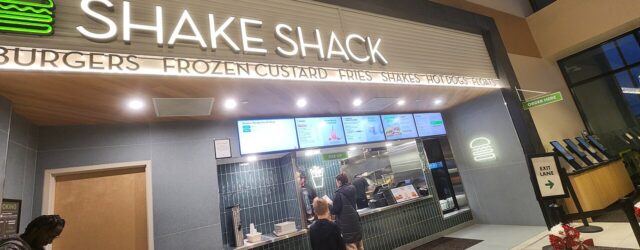
Fast-food prices remain a flashpoint for U.S. diners as restaurant chains balance inflation, labor costs, and customer demand for value. In that debate, Shake Shack has emerged as the burger brand Americans most often describe as overpriced. The finding comes from a national review analysis released in December 2024, and it continues to resonate as burger chains navigate elevated food costs in 2026.

Shake Shack led the chain rankings for “overpriced” complaints in a national review study

Shake Shack was ranked the most overpriced restaurant chain in a study published December 19, 2024, by Eat This, Not That, citing data from language-learning marketplace Preply. According to that report, Preply analyzed nearly 60,000 Google reviews tied to more than 10,000 restaurants across the 50 largest U.S. cities and searched for terms including “overpriced,” “pricey,” “expensive,” and “rip-off.” Among chain restaurants, Shake Shack drew the highest share of those complaints.

The same reporting said Five Guys ranked second and Sugar Factory ranked third among chains flagged as overpriced. Fox Business, which also summarized the study, reported the review set at 57,245 reviews and said the analysis covered more than 10,000 restaurants in 50 cities. That gives the finding national scale, even though it reflects review language rather than menu-price benchmarking or a formal consumer poll.

The timing also mattered. Eat This, Not That reported that Shake Shack had already made two price moves in 2024 before the study was highlighted publicly. The outlet said CFO Katie Fogerty announced a 3% menu price increase in mid-March to address food and wage inflation, and that the chain later implemented another 1.5% increase in October.

The impact is national, but chain-by-chain pricing still varies by market

For customers, the practical takeaway is national rather than local: the “overpriced” label reflects how diners across major metro areas described the chain, not a confirmed list of the most expensive Shake Shack locations. The study cited by Eat This, Not That did not publish a city-by-city breakdown for every Shake Shack restaurant, and the company has not released a market-specific response identifying which regions generated the most pricing complaints.

What is confirmed is that the analysis covered reviews from the top 50 U.S. cities, giving it a broad geographic footprint. Fox Business reported that Oakland and San Jose, California, and Virginia Beach, Virginia, were among the cities with the highest concentration of overpriced-restaurant complaints overall, though that did not mean Shake Shack was the top complaint target in each of those markets.

That distinction matters because burger prices can vary sharply by region, rent, wage levels, and local operating costs. Delish reported in April 2026 that Five Guys’ classic cheeseburger was selling for about $12.99 in its cited comparison, underscoring that premium burger pricing is not limited to one chain. Still, the Preply-based analysis singled out Shake Shack as the brand most associated with “overpriced” complaints in consumer reviews.

Higher beef costs and value pressure help explain why price complaints are sticking

The broader backdrop is a restaurant sector under sustained pricing pressure. The American Customer Satisfaction Index said in its Restaurant and Food Delivery Study 2026 that quick-service satisfaction held at 79, but operators were dealing with slowing traffic, rising costs, and increasingly price-conscious diners. In a related June 2026 analysis, ACSI said sustained increases in commodities, labor, and supply-chain costs were reshaping how customers judge restaurant value.

Burger chains face an especially direct version of that pressure because beef costs rose sharply. FinanceBuzz, citing ACSI and USDA data, reported that beef and veal prices in April 2026 were 14.8% higher than a year earlier, while ground beef prices were up 18.9%. ACSI also said lower pricing was the top improvement theme mentioned by quick-service customers, ahead of speed and order accuracy.

For customers, that means the pricing debate is unlikely to disappear even when a chain remains popular. Delish reported in April 2026 that Five Guys still topped YouGov’s burger-quality rankings with 15.5% of respondents choosing it, showing that consumers can rate a chain highly while still bristling at the check. In Shake Shack’s case, the December 2024 study fixed the brand at the center of that value conversation, and the industry’s cost pressures have kept that issue current.

The World’s Best Pizzeria for 2026 Has Been Crowned, According to 50 Top Pizza

Global restaurant rankings continue to shape travel plans, dining demand and international attention for independent operators. That played out again on September 15 in Naples, where 50 Top Pizza World 2026 named London’s Napoli on the Road the best pizzeria in the world. The result also carried a U.S. angle, with New York’s Una Pizza Napoletana finishing second and two California pizzerias landing in the top 10.

Napoli on the Road took the top spot in Naples

50 Top Pizza announced the World 2026 ranking at a ceremony in Naples on September 15, according to Time Out’s report on the awards and the event details published ahead of the ceremony by 50 Top Pizza. The guide placed Napoli on the Road in London at No. 1, followed by Una Pizza Napoletana in New York at No. 2 and Confine in Milan at No. 3. Time Out also reported that the top 10 included I Masanielli in Caserta, Seu Pizza Illuminati in Rome, Pizzeria Sei in Los Angeles, Tony’s Pizza Napoletana in San Francisco, Leggera Pizza Napoletana in São Paulo, RistoPizza by Napoli sta ca in Tokyo and Baldoria in Madrid.

The scale of the ranking was international. Time Out reported that the 2026 list covered 100 pizzerias across 36 countries, with 31 Italian entries and 22 from the United States. Fine Dining Lovers separately reported that New York led all cities with seven ranked pizzerias, ahead of Naples with six and São Paulo with five.

The win marked a shift at the top of the list. Una Pizza Napoletana says on its official site that it was previously named the world’s No. 1 pizzeria by 50 Top Pizza in 2022, 2024 and 2025, while Time Out described Anthony Mangieri’s Lower East Side restaurant as the reigning champion entering the 2026 awards.

The result mattered in London, New York and California

For London, the ranking elevated a pizzeria that has grown from a mobile operation into a multi-location business. Napoli on the Road says Michele Pascarella launched the concept in 2016, and the company now lists locations in Chiswick, Richmond and Soho. Time Out reported that the Soho site opened in February 2026, giving the brand a third London address by the time it won the world title.

For the United States, the headline result was New York’s second-place finish. Una Pizza Napoletana’s official site identifies the restaurant as a Lower East Side operation led by Anthony Mangieri, and says the restaurant is the current expression of his long-running work in pizza. Time Out reported that Mangieri personally makes every dough ball and bakes every pizza, with service limited to three nights a week from a short menu.

California also had a visible showing in the top 10. Time Out’s ranking recap placed Pizzeria Sei in Los Angeles at No. 6 and Tony’s Pizza Napoletana in San Francisco at No. 7. Beyond those placements, 50 Top Pizza has not released a city-by-city breakdown in the material reviewed here for all U.S. entries outside the top ranks, so a full state tally beyond the published counts is not yet confirmed in this report.

The ranking reflects broader global demand for high-end pizza

50 Top Pizza’s reach has expanded as pizza has become a more international fine-casual category, with guides, regional rankings and special awards now feeding global dining tourism. Time Out reported that the ranking is compiled with the help of nearly 1,000 anonymous, unpaid inspectors who visit venues at least twice a year and score dough quality, ingredient sourcing, service and atmosphere. That judging framework helps explain why the award is treated as broader than a simple taste test.

Napoli on the Road arrived at the world title with momentum. Time Out’s London coverage reported that the pizzeria had already topped the separate 50 Top Pizza Europa ranking for three consecutive years from 2024 through 2026. The company and supporting local coverage say Pascarella built the business from a three-wheeled Ape Piaggio setup before opening permanent restaurants, a trajectory that helps explain the brand’s visibility beyond the U.K. market.

For diners, the ranking does not change day-to-day operations in the U.S., but it does offer a current snapshot of where one influential guide sees the category. As of the 2026 list, New York’s Una Pizza Napoletana remains the highest-ranked U.S. pizzeria at No. 2, while Los Angeles and San Francisco both placed restaurants in the global top 10. The next practical effect is likely increased demand at the highest-ranked shops, especially in cities that already draw destination diners.

How Restaurants Are Adapting to America’s Growing “Couch Economy”

As more Americans spend, shop and dine from home, restaurants are adjusting to a consumer economy shaped by phones, apps and delivery platforms. That shift is now visible in national payments data and in how restaurant operators structure ordering, staffing and off-premises sales. Visa’s latest research and recent restaurant industry reporting show that convenience is no longer an add-on for many chains and independents.

Visa’s report puts a number on the shift

Visa Business and Economic Insights said in its report released in September 2026 that 58% of U.S. domestic payment volume now happens remotely, online or in apps, up from 48% in 2019. The company said that change reflects a broader “couch economy,” with consumers increasingly shopping, streaming and ordering meals from home. According to Visa, the share of U.S. cards making 10 or more online transactions a month nearly doubled, rising from 13.1% in 2018 to 25.4% in 2026.

For restaurants, the report identified food delivery apps as one of the clearest expressions of that shift. Visa said the share of its cards active on food delivery apps was about 1% in 2018, climbed past 5% in 2020 and reached about 10% in 2021. That level held roughly steady until 2026, when it dipped by about one percentage point, according to the company’s data.

That matters because it suggests delivery is no longer a niche habit tied only to the pandemic. Visa said everyday consumers, not just high-income users, now account for much of the activity on food delivery apps. National Restaurant News, citing the Visa findings on September 18, reported that delivery has become part of routine household spending rather than an occasional splurge.

What the shift means across the U.S. restaurant market

The couch economy is a national trend, not a single-state event, and the available reporting does not break out a full state-by-state restaurant impact list. Visa’s public summary describes the pattern broadly across the United States, but it does not release a comprehensive market-by-market accounting of which cities or regions are seeing the biggest delivery gains. That means the broad direction is confirmed, while the local distribution of the shift remains less detailed in public data.

What is clear is that operators are treating convenience as a baseline expectation. Restaurants have expanded app ordering, first-party pickup, curbside service, loyalty-linked digital payments and third-party delivery access in response to consumer habits shaped by online retail and streaming. Visa said rising use of stored payments and mobile phones has made digital purchasing more routine, which helps explain why restaurants are investing in easier ordering flows.

At the same time, restaurants are not abandoning dine-in service. Industry reporting cited by National Restaurant News said delivery spending has slowed this year even as more consumers appear willing to eat out in person. The same coverage noted that publicly traded full-service restaurant brands recently posted median same-store sales growth of 1.6%, compared with 0.8% for limited-service brands, showing that convenience and on-premises dining are both shaping the market.

Why restaurants are balancing delivery with dine-in demand

The underlying cause is convenience, but the economics are more complicated than simple demand growth. Visa said consumers are spending more of their lives at home, influenced not only by food delivery but also by the growth of streaming subscriptions and other home-centered spending. Its report said consumer expectations are being reshaped by the ease of online and in-app transactions, making frictionless ordering more important for restaurants.

Restaurant operators are also adapting within a difficult cost environment. The National Restaurant Association said in its 2026 State of the Industry materials that food prices have risen sharply since 2020 and that restaurant profit margins remain below pre-pandemic levels. That helps explain why many businesses are trying to capture digital demand without giving up higher-margin dine-in traffic.

For customers, the practical result is a restaurant market built around more than one occasion. Consumers should expect more ordering through apps, more delivery and pickup integration, and continued investment in convenience tools even as dining rooms remain central for many brands. Visa’s conclusion was straightforward: the couch economy is not only about staying home, but about rising expectations for convenience in how Americans choose to spend.

Wendy’s Is Making a Move in the Meritage Hospitality Bankruptcy Fallout

Wendy’s

Restaurant franchisors often play an outsized role in bankruptcy because they control the brand, the franchise agreement, and who is allowed to keep operating under the name. That is now the central issue in Wendy’s dispute with Meritage Hospitality Group, a major franchisee whose Chapter 11 filing has triggered a fight over hundreds of Wendy’s restaurants in the Midwest and South.

Wendy’s formally objected to Meritage’s continued operations

Wendy’s has asked the bankruptcy court to block Meritage Hospitality Group from continuing to operate its Wendy’s restaurants under terminated franchise agreements. Nation’s Restaurant News reported on September 22 that Wendy’s said in court filings Meritage had defaulted on its franchise agreements, failed to cure unpaid royalty obligations, and no longer had the right to run the stores. The franchisor said Meritage owes $27.4 million in unpaid royalties, and the filing sets up a direct challenge to the debtor’s control of a large Wendy’s portfolio.

The scale is significant. Meritage operates 314 Wendy’s restaurants, along with one Bojangles location and five Morning Belle restaurants, according to Nation’s Restaurant News reporting published after the Chapter 11 filing on September 18. Wendy’s said the franchisee had received an extension on royalty payments, but that extension expired in August. After Meritage did not pay, Wendy’s terminated the franchise agreements earlier in September, according to the report.

Wendy’s is not just objecting to Meritage’s legal position. The company is also signaling what it wants next. According to the filing described by Nation’s Restaurant News, Wendy’s is effectively arguing that the restaurants should be transitioned either back to the franchisor or to other approved franchisees, with a short-term operating arrangement possible during any handoff.

The local footprint is broad, but specific store outcomes remain unclear

For customers and workers in Meritage markets, the immediate issue is continuity. Nation’s Restaurant News reported that Meritage’s Wendy’s restaurants are concentrated mostly in the Midwest and South, which means the bankruptcy dispute has consequences across a large regional footprint rather than in a single city or state. What is confirmed is the size of the Wendy’s estate in bankruptcy and Wendy’s effort to limit Meritage’s ability to keep operating those units under the old agreements.

What is not yet public is a comprehensive store-by-store list tied to Wendy’s latest court move. The company has not released a full list of affected state, city, or local restaurant locations connected to the franchise-termination dispute. That means readers in specific markets may know a Meritage-operated Wendy’s is in their area, but the current public reporting does not identify every restaurant that could be sold, relicensed, temporarily operated, or closed.

There is also a second operational question hanging over the case. The U.S. Trustee has objected to Meritage’s request to close up to 40 restaurants in the coming weeks, calling that proposal outside the ordinary course of business, according to Nation’s Restaurant News. The first of those closures could begin quickly, but public reporting has not identified a complete city-level list of those locations.

Debt, royalties, and weak performance are at the center of the dispute

The underlying causes described so far are financial, operational, and brand-specific. Nation’s Restaurant News reported that Meritage entered Chapter 11 with about $155 million in secured debt, much of it owed to City National Bank. In a bankruptcy case, secured lenders typically have first-priority claims on assets, but franchisors still retain leverage because franchise agreements determine who may legally operate branded restaurants.

Meritage’s filing also followed earlier retrenchment. Nation’s Restaurant News reported on September 18 that the company had already closed 60 locations earlier in 2026, and that those closures were linked to Wendy’s weak overall performance. That earlier report also said Meritage believed the bankruptcy process would help it strengthen its balance sheet and create financial flexibility, while Wendy’s said its focus remained on customers, the franchise system, and the long-term health of the brand.

For customers, the practical takeaway is that most restaurants may continue operating during the early stages of the case, but ownership or operating control could change if Wendy’s prevails. Wendy’s has said it would consider a temporary license to keep restaurants running during a transition, according to Nation’s Restaurant News. The next phase of the case is likely to determine whether these restaurants stay with Meritage for now, move to Wendy’s control, or are transferred to other franchisees.

This Fast-Growing Concept Is Opening Its Biggest Location Yet, Right in Times Square

Restaurant groups have continued expanding into high-traffic entertainment districts as brands look for visibility, tourism demand, and larger-format dining rooms that can support events and destination traffic. In that context, Kitchen + Kocktails by Kevin Kelley is preparing to open its first New York City restaurant in Times Square on October 3. The opening gives the fast-growing Southern comfort food concept its biggest location yet and a new flagship-style address in one of Manhattan’s busiest commercial corridors.

Kitchen + Kocktails confirmed a 10,000-square-foot Times Square opening on Oct. 3

Kitchen + Kocktails by Kevin Kelley said it will open on October 3 at 7 Times Square, marking the company’s New York City debut and what Nation’s Restaurant News reported will be the brand’s eighth location. The company told the trade publication that the restaurant had already logged more than 4,000 bookings before opening day. That early reservation volume gives the Times Square project unusual scale even before service begins.

The restaurant will span about 10,000 square feet across two levels, according to the company’s published announcement and subsequent coverage by Time Out New York. Time Out reported the space will seat about 300 guests and include multiple dining areas, an expansive bar, and private dining space. The company has described it as the largest Kitchen + Kocktails location so far.

Founder Kevin Kelley said in a company statement cited by Nation’s Restaurant News that the response from New York had been strong ahead of the debut. The company’s website also lists the grand opening for October 3 at the Times Square address, reinforcing the official launch date. Together, those details position the opening as both a local debut and a significant growth milestone for the brand.

What is confirmed for Times Square, and what the company has not yet detailed publicly

For New York, the confirmed facts are narrow but significant: the restaurant is opening at 7 Times Square, it is the company’s first location in New York City, and it will be the largest unit in the chain based on square footage. Public reporting identifies the site as a two-story restaurant in the Times Square area, placing the concept directly in a district shaped by office workers, theater crowds, and visitors. The opening date, October 3, has been repeated by both the company and local media coverage.

What has not been publicly detailed to the same extent is the company’s longer-term New York plan beyond this single Manhattan opening. Kitchen + Kocktails has not released a list of additional New York City boroughs, suburban markets, or other New York State sites under development. The company also has not publicly outlined staffing totals for the Times Square restaurant.

Outside New York, the brand already operates in Dallas, Chicago, Atlanta, Washington, D.C., Philadelphia, Miami, and other markets cited by company materials and industry coverage. Nation’s Restaurant News reported that Boston is on deck and that New Orleans is also expected to open later this year. For now, however, the only confirmed New York location is the Times Square restaurant opening October 3.

The opening reflects the brand’s broader expansion strategy and the draw of destination dining

Kitchen + Kocktails was founded in Dallas in 2020 by attorney Kevin Kelley, who built the concept around Southern comfort food and a bar program designed to travel across major metropolitan markets, according to Nation’s Restaurant News and the company website. Its expansion pattern has centered on large cities with built-in dining traffic rather than smaller suburban footprints. The Times Square move fits that strategy.

The company’s choice of a large-format Manhattan site suggests it is pursuing visibility as much as unit count. A 10,000-square-foot restaurant in Times Square can serve everyday diners, group events, and visitors in a way a smaller neighborhood storefront cannot. Time Out’s report that the restaurant will hold about 300 guests underscores that operational model.

For customers, the practical takeaway is straightforward: reservations are already building ahead of the October 3 opening, and the company has presented the New York restaurant as a full-scale version of its existing concept. Nation’s Restaurant News reported the menu will remain largely consistent with other locations, while the company has indicated the Times Square unit will include multiple dining rooms, a bar, and private dining space. As of now, the opening stands as the brand’s largest confirmed restaurant and its first entry into the New York City market.

These Are the Grocery Stores Serious Seafood Lovers Swear By

Wegmans

As U.S. grocery chains compete on fresh food quality, seafood remains one of the clearest categories where sourcing standards, handling practices, and in-store expertise can separate one retailer from another. For shoppers who prioritize fish counters over shelf space, recent company disclosures and seafood sustainability benchmarks consistently put Whole Foods Market, Wegmans, Costco, H Mart, and H-E-B at the center of the conversation. What distinguishes those chains is not a single ranking but a mix of store scale, traceability policies, sustainability certifications, and the ability to offer either broad fresh selection or strong value on frozen and packaged seafood.

Whole Foods, Wegmans, Costco, H Mart, and H-E-B are the chains that keep surfacing

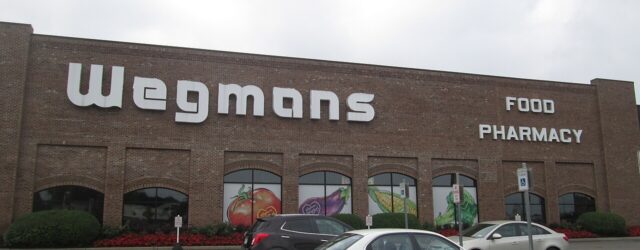
A recent expert roundup published by AOL on September 20, 2026, identified five chains that culinary professionals singled out for seafood buying: Whole Foods Market, Wegmans, Costco, H-E-B, and Central Market, with praise tied to sourcing standards, price, and fish-counter quality. That list aligns with public company materials showing the scale behind those operations: Whole Foods says it has 539 U.S. stores, H Mart says it has more than 97 U.S. stores, and Costco reported 923 warehouses globally, including 633 in the United States and Puerto Rico in its fiscal 2026 reporting. Wegmans says it operates more than 100 stores across nine states.

Those chains do not all win for the same reason. Whole Foods and Wegmans emphasize fish-counter handling and traceability, Costco leans on scale and certified sourcing at value pricing, H Mart stands out for live and specialty seafood assortment, and H-E-B has built a seafood identity around Texas sourcing and sustainability policy. The result is a market where “best” often depends on whether a shopper wants fillets with sourcing information, live shellfish, or bulk frozen staples.

What is not publicly confirmed is a single nationwide scorecard naming one current overall winner across all seafood metrics. Consumer Reports rates grocery chains on broad store attributes rather than a seafood-only category, and several seafood sustainability scorecards still cited in coverage are older or measure policy strength rather than day-to-day counter quality. That leaves shoppers relying on a combination of company standards, expert recommendations, and local store execution.

The practical differences show up in selection, certifications, and store format

Whole Foods continues to market seafood as a standards-driven department, citing quality standards and a seafood program that dates back to its early adoption of Marine Stewardship Council-certified products. Its 2024 impact materials say the chain expanded labor protections in seafood supply chains through a Seafood Code of Conduct launched in January 2025. For shoppers, that means the appeal is less about the cheapest shrimp in the case and more about documented sourcing and policy visibility.

Wegmans makes a similar pitch but with heavier emphasis on handling. The grocer says its seafood comes from facilities certified to Global Food Safety Initiative standards, and its sourcing materials describe traceability from fishery or farm to store, plus processing close to store delivery for some salmon products. That focus helps explain why Wegmans is frequently cited by shoppers and food writers as a strong traditional supermarket fish counter rather than simply a store with a large frozen set.

Costco and H Mart serve different seafood shoppers. Costco says it seeks to source wild seafood from Marine Stewardship Council-certified fisheries and farmed seafood from Aquaculture Stewardship Council-certified sources, while its scale helps it compete on price, particularly in frozen shrimp and salmon. H Mart, by contrast, promotes fresh and live seafood selection, with its Pacific Northwest operation stating that most locations have live tank systems carrying crab, lobster, fish, clams, and oysters.

Why these stores matter to customers now

The broader context is that seafood is one of the most information-sensitive categories in grocery. Consumer Reports has advised shoppers that some fish presented as fresh may previously have been frozen and thawed, and recommends asking the counter when signage is unclear. That makes transparency and staff knowledge more important than in more standardized grocery aisles.

It also helps explain why retailer policy has become a selling point. Marine Stewardship Council retail listings currently include Costco and Wegmans among U.S. sellers carrying MSC-certified seafood, while Whole Foods says ocean protection has been central to its seafood program since 1999. H-E-B says its seafood policy, updated January 12, 2026, was developed with FishWise and is built around traceability, environmental standards, and labor rights expectations.

For customers, the immediate takeaway is straightforward. Shoppers looking for broad live or specialty selection are most likely to gravitate toward H Mart, those prioritizing sustainability disclosures and staffed service counters are more likely to favor Whole Foods or Wegmans, and those focused on bulk value may continue to choose Costco. The common thread is that serious seafood buyers are rewarding stores that can show where fish came from, how it was handled, and why it earned space in the case.