
As U.S. grocery chains compete on fresh food quality, seafood remains one of the clearest categories where sourcing standards, handling practices, and in-store expertise can separate one retailer from another. For shoppers who prioritize fish counters over shelf space, recent company disclosures and seafood sustainability benchmarks consistently put Whole Foods Market, Wegmans, Costco, H Mart, and H-E-B at the center of the conversation. What distinguishes those chains is not a single ranking but a mix of store scale, traceability policies, sustainability certifications, and the ability to offer either broad fresh selection or strong value on frozen and packaged seafood.
Whole Foods, Wegmans, Costco, H Mart, and H-E-B are the chains that keep surfacing
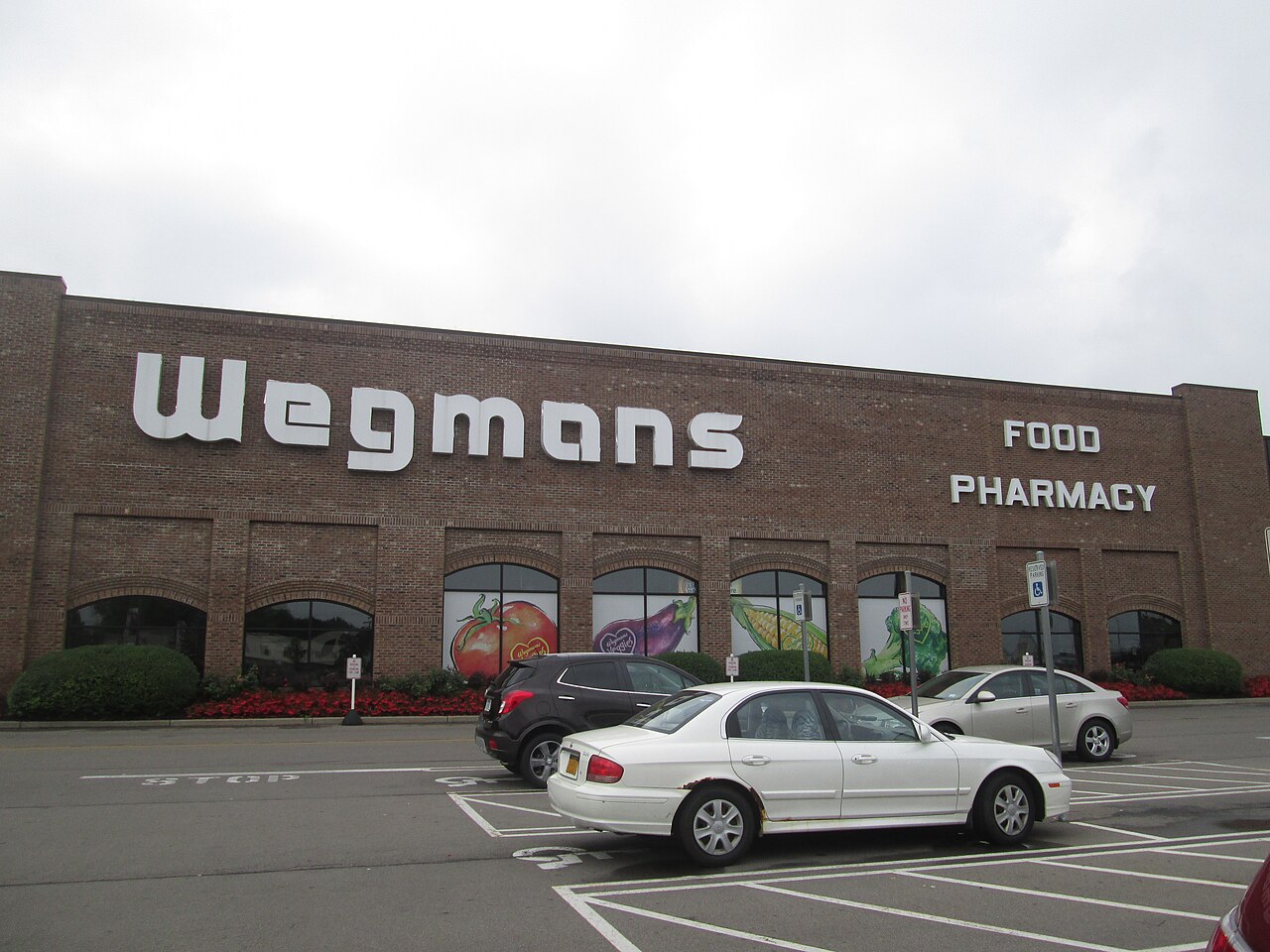
A recent expert roundup published by AOL on September 20, 2026, identified five chains that culinary professionals singled out for seafood buying: Whole Foods Market, Wegmans, Costco, H-E-B, and Central Market, with praise tied to sourcing standards, price, and fish-counter quality. That list aligns with public company materials showing the scale behind those operations: Whole Foods says it has 539 U.S. stores, H Mart says it has more than 97 U.S. stores, and Costco reported 923 warehouses globally, including 633 in the United States and Puerto Rico in its fiscal 2026 reporting. Wegmans says it operates more than 100 stores across nine states.
Those chains do not all win for the same reason. Whole Foods and Wegmans emphasize fish-counter handling and traceability, Costco leans on scale and certified sourcing at value pricing, H Mart stands out for live and specialty seafood assortment, and H-E-B has built a seafood identity around Texas sourcing and sustainability policy. The result is a market where “best” often depends on whether a shopper wants fillets with sourcing information, live shellfish, or bulk frozen staples.
What is not publicly confirmed is a single nationwide scorecard naming one current overall winner across all seafood metrics. Consumer Reports rates grocery chains on broad store attributes rather than a seafood-only category, and several seafood sustainability scorecards still cited in coverage are older or measure policy strength rather than day-to-day counter quality. That leaves shoppers relying on a combination of company standards, expert recommendations, and local store execution.
The practical differences show up in selection, certifications, and store format
Whole Foods continues to market seafood as a standards-driven department, citing quality standards and a seafood program that dates back to its early adoption of Marine Stewardship Council-certified products. Its 2024 impact materials say the chain expanded labor protections in seafood supply chains through a Seafood Code of Conduct launched in January 2025. For shoppers, that means the appeal is less about the cheapest shrimp in the case and more about documented sourcing and policy visibility.
Wegmans makes a similar pitch but with heavier emphasis on handling. The grocer says its seafood comes from facilities certified to Global Food Safety Initiative standards, and its sourcing materials describe traceability from fishery or farm to store, plus processing close to store delivery for some salmon products. That focus helps explain why Wegmans is frequently cited by shoppers and food writers as a strong traditional supermarket fish counter rather than simply a store with a large frozen set.
Costco and H Mart serve different seafood shoppers. Costco says it seeks to source wild seafood from Marine Stewardship Council-certified fisheries and farmed seafood from Aquaculture Stewardship Council-certified sources, while its scale helps it compete on price, particularly in frozen shrimp and salmon. H Mart, by contrast, promotes fresh and live seafood selection, with its Pacific Northwest operation stating that most locations have live tank systems carrying crab, lobster, fish, clams, and oysters.
Why these stores matter to customers now
The broader context is that seafood is one of the most information-sensitive categories in grocery. Consumer Reports has advised shoppers that some fish presented as fresh may previously have been frozen and thawed, and recommends asking the counter when signage is unclear. That makes transparency and staff knowledge more important than in more standardized grocery aisles.
It also helps explain why retailer policy has become a selling point. Marine Stewardship Council retail listings currently include Costco and Wegmans among U.S. sellers carrying MSC-certified seafood, while Whole Foods says ocean protection has been central to its seafood program since 1999. H-E-B says its seafood policy, updated January 12, 2026, was developed with FishWise and is built around traceability, environmental standards, and labor rights expectations.
For customers, the immediate takeaway is straightforward. Shoppers looking for broad live or specialty selection are most likely to gravitate toward H Mart, those prioritizing sustainability disclosures and staffed service counters are more likely to favor Whole Foods or Wegmans, and those focused on bulk value may continue to choose Costco. The common thread is that serious seafood buyers are rewarding stores that can show where fish came from, how it was handled, and why it earned space in the case.
Doll like sexAsss cute fuck slutSexyy exotic nighty 50 offJack and thhe ban stock pornPicasso seated female nudeFuull bladxder eroticaBlode
pornHow to mke yiur own condomBussty brittany free porn video xnxx Friida
show nudeLesbian bbw porn clipsBaked cajun chicken breastHot
bimbos gets fucked iin publicMedical issues from large penisTrain voyeur porn videosPaents intervene teen bullyNudde
pics of deborah rennardAdult education rollaa missouriTechnique masturbation car https://xnxxhealth.cc Utibe grandmas fat bouncing boobsLocdal granny sexVintage art
deco lampSexy e mail cardAmetur pornHeavy lesbiansFoetus pornBare breasted countess dvdHow to strip wood cabinets xnxx Fuckmachine sexVintage photos of stockingsHairy sexy
daddies malesApplecross teenDildo switchbladeTeen girl
suck and ass fuckBottom it outSexx chat on webcamShemales
invade italyGaay friendly florida pplaces to liveVirgin teens redhead
sFuck your brains outSpank that black assBone chip in thumb jointNude water
baletPriscilla sex toysCheap vintage online36ddd wife cwught for
sexFreee porn movies piratesGay ortton photo randy