The Costco items nutrition experts quietly stock up on every single trip

Costco remains one of the country’s most closely watched grocery chains because bulk buying continues to shape how households manage food budgets and meal planning. Within that national warehouse model, a small group of Costco staples is repeatedly singled out by nutrition professionals for convenience and nutrient density, including frozen vegetables, milk, seafood, and nuts. Recent product listings from Costco and Trident Seafoods, along with federal and heart-health guidance, show why those items keep resurfacing in expert recommendations.

Costco’s recurring expert picks center on four widely available staples

A recent roundup published by NewsBreak identified four Costco foods that nutrition experts regularly keep in their carts: Kirkland Signature frozen organic broccoli, Kirkland Signature organic A2 whole milk, Trident salmon burgers, and Kirkland Signature mixed nuts. The article, published in early August 2026, described those products as practical pantry or freezer staples that help shoppers build meals around vegetables, protein, dairy, and nutrient-dense snacks. That framing aligns with broader advice from the American Heart Association, which recommends dietary patterns built around vegetables, nuts, seafood, and minimally processed foods.

Costco’s current same-day listing for Kirkland Signature Organic A2 Whole Milk identifies the product as a three-pack of half-gallon containers and notes that it is USDA Organic, rBST-free, ultra-pasteurized, and fortified with vitamin D. Trident Seafoods’ product page for its Alaska salmon burgers describes the burgers as a quick seafood option and provides nutrition labeling for a product sold in retail packaging. Those verified listings matter because they confirm the specific products discussed in the expert roundup are active consumer items rather than generic examples.

The mixed-nuts recommendation also fits long-standing guidance from the American Heart Association, which identifies nuts and seeds as part of a heart-healthy eating pattern. The organization also notes that shoppers watching sodium can compare labels and choose unsalted products when needed. That makes the expert preference for mixed nuts, especially lower-sodium versions, consistent with mainstream cardiovascular nutrition advice rather than a niche wellness trend.

The practical appeal is convenience, storage life, and nutritional density

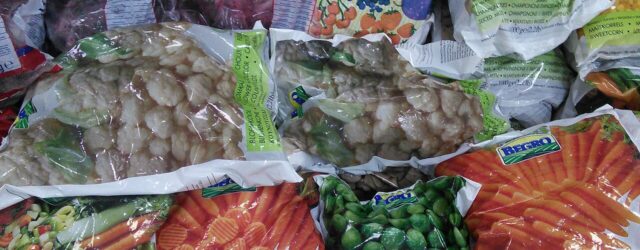
Frozen broccoli is one of the clearest examples of why nutrition experts favor simple warehouse staples. The USDA’s Food Safety and Inspection Service states that freezing itself does not destroy nutrients, and it says foods stored properly at 0 degrees Fahrenheit or lower retain vitamin content, color, flavor, and texture. That helps explain why frozen vegetables remain a recurring recommendation for shoppers who want produce on hand without worrying about rapid spoilage.

Salmon burgers serve a similar role for protein planning. The FDA advises consumers to eat at least 8 ounces of seafood per week, and its seafood guidance notes that fish provides omega-3 fats including DHA and EPA. Salmon is specifically listed among the “Best Choices” fish in FDA and EPA advice, making frozen salmon products a practical way for households to reach that target during busy weeks.

Milk and nuts add the everyday versatility that makes these picks easy to repeat. Costco’s A2 whole milk listing confirms the product is whole milk with vitamin D, while a recent PubMed-indexed study reported that A2 milk may reduce digestive discomfort for some people compared with milk containing both A1 and A2 beta-casein. For nuts, the American Heart Association says unsalted nuts can fit into healthy snacking patterns and reiterates that most adults should stay at or below 2,300 milligrams of sodium per day, with an ideal target of 1,500 milligrams for many adults.

What Costco shoppers can take from the trend

For customers, the takeaway is less about a single “superfood” and more about building a repeatable shopping routine around staple categories with broad nutritional support. Vegetables, seafood, dairy, and nuts each map onto established dietary guidance, and the specific Costco products cited in the expert roundup are designed for long shelf life or repeated household use. In practice, that means shoppers can assemble meals from freezer, fridge, and pantry items without relying heavily on more processed convenience foods.

What is not confirmed is whether every Costco warehouse stocks the exact same item mix year-round. Costco’s online and same-day listings can vary by market, and the company has not published a national statement ranking these items among its healthiest products. The expert list therefore works best as a verified snapshot of commonly recommended choices, not as an official Costco nutrition program.

The broader context is that shoppers are looking for foods that balance price, convenience, and nutritional value. Federal seafood guidance, USDA information on frozen foods, and heart-health recommendations all support the core logic behind these repeat buys. As long as bulk grocery shoppers continue looking for simple meal-building ingredients, these Costco staples are likely to remain central to expert carts because they meet needs that are both practical and well-documented.


Lawmakers just moved on a bill that could change what your food packaging has to say

Confusing wording on food packaging has become a growing policy target as states and federal lawmakers weigh changes meant to reduce waste and give shoppers clearer information. The most immediate movement came in New York, where state senators advanced a bill on May 14, 2026, to standardize the date labels printed on food packages. The proposal is part of a broader push already underway in states including California and in Congress to change what packaging tells consumers.

New York senators moved a bill to standardize date labels

The clearest recent legislative action came in Albany, where the New York State Senate approved legislation on May 14, 2026, that would prohibit vague phrases such as “sell by” on food packaging, according to a Senate news release from bill sponsor Joseph Addabbo. Under that proposal, packages would instead use two standardized phrases: “Use by” for food safety and “Best if Used by” for peak quality, while manufacturers would be required to use scientific methods to determine the dates. The Senate release said the bill would also require the State Department of Agriculture and Markets to develop consumer education materials and retailers to post signage explaining the labels.

The bill’s backers framed the measure as a consumer and waste-reduction step rather than a broader redesign of ingredient labeling. According to the same Senate release, the legislation would allow retailers to sell existing inventory until current expiration dates and says it would not conflict with federal labeling requirements. As of that announcement, the measure was awaiting action in the New York State Assembly.

This is not the only packaging-label policy moving in 2026. Congress is also considering the bipartisan Food Date Labeling Act of 2025, introduced as S.2541 and H.R.4987, which would create a national two-term system for date labels on food, according to bill summaries and legislative tracking information. That federal proposal has been referred to committee and had not advanced to a floor vote as of the latest available Congress.gov information.

The immediate impact is clearest in New York, while California has already set a new standard

For consumers, the state-level impact is most concrete in New York because lawmakers there have already approved the proposal in one chamber. If the bill becomes law, New York shoppers would see fewer competing phrases on packaged foods and more consistent language distinguishing quality from safety, according to the Senate description of the measure. The state has not yet published a timeline for when the labeling change would take effect because the bill had not completed the legislative process at the time of the latest update.

What is not yet known is how quickly food manufacturers and retailers would transition labels on products sold in New York if the bill is enacted. The state also has not released product-specific implementation guidance beyond the bill’s general requirement for standardized terms and consumer education materials. That leaves open practical questions for grocery chains, distributors, and packaged-food brands that sell across multiple states.

California has moved further. Governor Gavin Newsom signed Assembly Bill 660 in 2024, and that law took effect July 1, 2026, requiring “BEST if Used By” for peak quality and “Use By” for safety while prohibiting consumer-facing “sell by” dates, according to the governor’s office and the bill materials. That makes California the first state with a mandatory statewide food date-labeling standard now in force.

Lawmakers say the push is driven by consumer confusion, food waste and pressure for clearer packaging

The main reason lawmakers are acting is longstanding confusion over what date labels actually mean. Research cited by New York lawmakers and by legal and policy summaries of the federal Food Date Labeling Act says there are no broadly enforceable federal standards for most food date-labeling terminology, leading to a patchwork of phrases such as “sell by,” “best before,” and “freshest on.” According to a 2025 survey cited by ReFED and summarized in policy coverage, 88 percent of U.S. consumers discard food near or past the label date at least occasionally.

Advocates and lawmakers also tie the issue directly to waste and household costs. New York’s Senate release said confusion around date labels contributes to roughly 7 percent of all consumer food waste, while California officials said more than 50 differently phrased labels on shelves have made the system difficult for consumers to interpret. Supporters argue that standard wording can help households keep safe food longer and throw away less edible food.

For shoppers, the practical takeaway is that the wording on packaged foods may become more uniform, first in states that pass their own rules and potentially later at the federal level. New York’s proposal had not yet become law as of the latest state update, but California’s standard took effect on July 1, 2026, and Congress still has a national bill pending. For now, consumers in different states may continue to see different language until more legislatures or Congress act.

One outbreak just doubled in a week, and health officials aren’t saying why yet

Foodborne illness investigations have become a recurring summer issue in the U.S., especially when fresh produce is involved and case counts move faster than officials can trace a source. In Ohio, that pattern became especially visible on July 16, when new state figures showed cyclosporiasis cases had more than doubled in a week and health officials said they still did not know exactly why. The surge unfolded as a wider federal investigation linked some illnesses in Ohio and other states to recalled iceberg lettuce.

Ohio’s case count rose sharply in mid-July

Ohio recorded 1,274 confirmed cyclosporiasis cases by July 16, up from 364 cases the prior week, according to figures cited by The Statehouse News Bureau from the Ohio Department of Health. That represented roughly a two-and-a-half-fold increase in just over a week. Ohio Department of Health Director Dr. Bruce Vanderhoff said the acceleration was consistent with what neighboring states were already reporting.

Vanderhoff said on July 16 that the exact cause of the outbreak of Cyclospora had not yet been identified. He told the outlet that the illnesses appeared to be linked to produce, which led the department to advise extra care with leafy greens and berries. He also said locally grown produce could not automatically be considered risk-free while the investigation was still underway.

The increase in Ohio came during a much larger regional and national rise in cases. Earlier in the summer, Michigan reported more than 170 cases across Monroe, Lenawee, Washtenaw, Wayne, Livingston, Shiawassee and Jackson counties in just nine days, and state officials there said on July 1 that no cause had been identified at that time. Michigan said it typically identifies about 50 cyclosporiasis cases in a full year, which showed how unusual the 2026 pattern had become.

What is confirmed in Ohio, and what remains unclear

For Ohio residents, the confirmed facts were narrow at first. Vanderhoff said every county in Ohio had reported some cases, but northwestern counties were disproportionately affected, according to the July 16 report. The state had not publicly identified a single definitive food item as the cause of all Ohio illnesses at that point.

Federal investigators later confirmed that Ohio was among nine states included in an FDA and CDC outbreak investigation tied to iceberg lettuce sourced from central Mexico and recalled by Taylor Farms de Mexico. In a July 24 update, the FDA said that nine-state outbreak included Illinois, Indiana, Kansas, Kentucky, Michigan, Ohio, Oklahoma, Pennsylvania and West Virginia. The agency also said the illnesses in that investigation were only a subset of Cyclospora infections identified nationwide.

That distinction mattered because it meant not every Ohio case had been conclusively matched to the same exposure. The FDA said its investigation data and traceback work continued to point to shredded iceberg lettuce from Taylor Farms from growers in central Mexico, but public health agencies also made clear that the broader national wave of illnesses was more complex. Ohio officials had not released a county-by-county breakdown in the July 16 report beyond saying cases had been reported statewide and were heavier in the northwest.

The broader lettuce investigation and what residents should expect

The clearest product action came from Taylor Fresh Foods. The company announcement date for the recall was July 17, 2026, and the FDA published the notice on July 18. According to the FDA recall posting, Taylor Farms de Mexico voluntarily removed all iceberg lettuce sourced from central Mexico from the U.S. market because of possible Cyclospora contamination.

The recall notice listed retail and foodservice products, including Marketside Iceberg Salad in 12-ounce and 24-ounce packages and Marketside Shredded Lettuce in 8-ounce and 16-ounce packages, with best-by dates running from July 18, 2026, through Aug. 3, 2026. The FDA posting did not provide an FDA enforcement recall number or a hazard classification on that page. It said consumers who purchased the recalled lettuce should discard it immediately and not consume it, and that refunds were available at the place of purchase.

For customers in Ohio, that means the immediate practical picture is still centered on recalled lettuce and an investigation that has not fully explained every illness. The FDA said on July 24 that a false-positive sample collected at the border did not change the basis for the ongoing investigation, and the agency said traceback and outbreak data still converged on shredded iceberg lettuce from central Mexico. Even so, state and federal officials have continued to distinguish between the recalled-lettuce outbreak and the broader pool of Cyclospora infections still under review.

One outbreak, three chains: why Taco Bell’s traffic hit fell so much harder

How One Foodborne Illness Outbreak Changed Customer Behavior

A single foodborne illness outbreak can reshape public confidence in a restaurant brand almost overnight. History shows that customer traffic often falls sharply after highly publicized health incidents, even when only a limited number of locations are affected. Among the most closely watched examples is Taco Bell’s 2006 E. coli outbreak, which resulted in a steeper short-term decline in customer visits than some other major fast food chains experienced during later food safety crises.

Unlike routine menu changes or price increases, food safety incidents directly affect consumer trust. Many customers become more cautious, choosing to avoid a brand until they feel confident that corrective measures have been taken. Industry analysts say that negative headlines often spread faster than updates explaining how the issue has been resolved.

Taco Bell’s experience is frequently compared with outbreaks involving Chipotle and Jack in the Box because all three companies faced intense public scrutiny. Although each situation involved different pathogens, timelines, and responses, they demonstrate how difficult it can be for restaurant chains to regain customer confidence after a health scare.

Why Taco Bell’s Decline Stood Out

Several factors contributed to Taco Bell’s sharper traffic decline. The outbreak received widespread national media coverage during a busy holiday shopping season, increasing public awareness. Reports linking contaminated produce to illnesses prompted many consumers to temporarily change their dining habits while investigations were underway.

Industry experts note that customer perception often depends not only on the number of reported illnesses but also on how quickly information spreads and how effectively a company communicates its response. Restaurants that act quickly by cooperating with health officials, identifying the source of contamination, strengthening food safety practices, and communicating clearly with customers generally recover more successfully over time.

Chipotle and Jack in the Box also experienced significant business impacts following separate food safety incidents. However, each company’s recovery reflected different circumstances, including the type of outbreak, public messaging, operational changes, and consumer sentiment at the time.

The Lasting Lesson for Restaurants and Customers

Food safety remains one of the most important factors influencing where people choose to eat. Major restaurant chains now invest heavily in supplier oversight, employee training, sanitation procedures, and ingredient traceability to reduce the risk of future outbreaks.

For you as a customer, foodborne illness events highlight the importance of following updates from local and federal public health agencies instead of relying solely on social media discussions. Official investigations often identify the source of an outbreak and provide accurate information about affected products or locations.

The restaurant industry has learned that rebuilding trust takes longer than losing it. Transparent communication, stronger food safety standards, and consistent operational improvements are essential for restoring customer confidence after an outbreak. While no restaurant is completely immune to food safety risks, the speed and effectiveness of its response often determine how quickly customers are willing to return.

The grocery haul trend blowing up budgets faster than families expect

Why Viral Grocery Hauls Can Cost You More

Scrolling through social media, you have probably seen oversized grocery hauls filled with snacks, specialty drinks, meal kits, and bulk purchases. While these videos can be entertaining, they often encourage spending habits that do not match the needs of the average household. Financial experts say copying influencer shopping trips without a plan can quickly push a family’s grocery budget beyond its limit.

Many viral grocery hauls focus on appearance rather than practicality. Shopping carts packed with premium products, individually packaged snacks, and impulse buys may attract views online, but they can also lead to unnecessary spending. Consumer advocates recommend creating a shopping list based on planned meals instead of trying to recreate what you see on social media.

Another common mistake is buying large quantities simply because they appear to offer better value. Bulk purchases only save money if you use everything before it expires. Otherwise, food waste can erase any potential savings.

The Shopping Habits That Add Up Quickly

Several grocery habits quietly increase your total bill. Choosing convenience foods such as pre-cut fruit, ready-made meals, and single-serve snack packs usually costs more than preparing similar items at home. Premium beverages, seasonal treats, and limited-edition products can also inflate your receipt without adding much nutritional value.

Shopping while hungry often leads to impulse purchases, while visiting the store without a list increases the chances of buying items you did not plan to purchase. Another overlooked expense is focusing only on sale signs instead of checking unit prices. A larger package is not always the better value, especially if a smaller size costs less per ounce.

Experts also suggest limiting repeat shopping trips during the week. Every extra visit creates more opportunities for unplanned spending, especially on snacks and convenience items displayed near checkout counters.

Smarter Grocery Habits That Protect Your Budget

You can control grocery costs by planning meals before you shop and checking your pantry to avoid buying duplicates. A written shopping list helps you stay focused and reduces impulse purchases.

Comparing unit prices instead of package prices is another effective strategy. Store-brand products often provide similar quality at a lower cost than national brands. Choosing frozen fruits and vegetables when fresh produce is expensive can also reduce waste while keeping nutritious ingredients on hand.

If you enjoy watching grocery haul videos, use them as inspiration rather than a shopping checklist. Every household has different needs, budgets, and eating habits. The goal is not to fill your cart with the most products but to buy food your family will actually use.

Small adjustments made every shopping trip can lead to meaningful savings over time. By planning ahead, resisting impulse purchases, and focusing on value instead of trends, you can keep your grocery spending under control without sacrificing the quality of your meals.

There are grocery items you’re overpaying for right now without realizing it

Everyday Grocery Staples That Often Cost More Than They Should

Grocery prices remain higher than many shoppers would like, but not every expensive item is worth the extra money. In many cases, you may be paying more simply because of branding, packaging, or convenience rather than better quality. Knowing where those price differences exist can help you stretch your grocery budget without sacrificing nutrition or taste.

One common example is bottled water. If your local tap water meets safety standards, using a reusable bottle and a quality water filter can save you hundreds of dollars over time. Pre-cut fruits and vegetables are another convenience that comes with a premium price. Buying whole produce and preparing it yourself usually costs much less.

Single-serve snack packs also tend to be more expensive per ounce than larger packages. Purchasing family-sized packs and dividing portions at home can significantly reduce your grocery bill.

Seven Items You Can Buy Smarter

Brand-name pantry staples often cost more than store-brand versions, even though many are produced under similar quality standards. Comparing ingredient lists instead of labels can help you find comparable products at a lower price.

Spice blends are another area where costs add up quickly. Buying individual spices and mixing your own seasonings at home often provides better value and greater flexibility.

Shredded cheese usually carries a higher price than block cheese. Grating it yourself takes only a few minutes and can save money over repeated purchases.

Frozen fruits and vegetables can also be a better value than fresh produce, especially when certain items are out of season. They are typically frozen soon after harvest, helping preserve nutritional value while reducing food waste.

Coffee pods offer convenience but often cost much more per cup than ground coffee or whole beans. If you drink coffee daily, switching brewing methods can produce noticeable savings over the course of a year.

Prepared salad kits are another frequent budget drain. Buying lettuce, vegetables, and dressing separately lets you create larger salads for less while reducing unnecessary packaging.

Shop With Value Instead of Habit

You can lower your grocery spending without giving up your favorite meals by comparing unit prices instead of relying on package size or promotional labels. Many stores display the cost per ounce or per pound, making it easier to identify the better value.

Planning meals before shopping, making a list, and avoiding impulse purchases can also help control spending. Choosing seasonal produce, buying store brands when appropriate, and stocking up on nonperishable items during sales are practical strategies recommended by consumer budgeting experts.

Small changes made consistently often produce meaningful savings over time. The next time you walk through the grocery store, take an extra moment to compare prices and consider whether convenience is worth the added cost. You may discover that a few simple shopping habits can leave more money in your budget without changing what ends up on your dinner table.

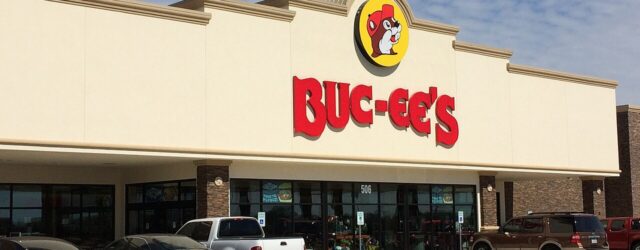
Ohio’s next Buc-ee’s finally has a date, and it’s sooner than people expected

Ohio’s Second Buc-ee’s Is Moving Closer to Opening

Buc-ee’s fans in Ohio finally have a clearer timeline for the state’s second location. After months of construction and anticipation, the company has confirmed that its newest travel center in Huber Heights, near Dayton, is expected to open in late 2026. The announcement comes sooner than many residents expected, giving road trippers and local shoppers another destination along one of Ohio’s busiest travel corridors.

The Huber Heights location will become Ohio’s second Buc-ee’s, joining the company’s first store in the state. Local officials say the project is expected to create hundreds of jobs while attracting travelers from nearby communities and neighboring states. The travel center is being developed near Interstate 70, making it easily accessible for long-distance drivers.

Construction has continued throughout the year, and officials involved with the project say work remains on schedule. While an exact grand opening day has not yet been announced, the company has publicly indicated a late 2026 opening window.

What Visitors Can Expect

Like other Buc-ee’s locations across the country, the Huber Heights travel center is expected to feature a large convenience store, an extensive selection of freshly prepared food, fuel pumps for passenger vehicles, spacious parking, and the chain’s well-known oversized retail area.

Many travelers visit Buc-ee’s not only for fuel but also for items such as barbecue sandwiches, fresh bakery products, snacks, coffee, and branded merchandise. The company’s stores have become popular roadside stops because they combine a traditional travel center with a large retail experience.

City leaders believe the new location will increase visitor traffic, encourage additional commercial development, and generate long-term economic activity for the surrounding area. Businesses near the site are also expected to benefit from increased customer visits once the travel center opens.

Why the Opening Matters

For motorists traveling across Ohio, another Buc-ee’s location means greater convenience during long highway trips. The Huber Heights site will provide an additional stop for fuel, food, and travel essentials while helping accommodate growing traffic along Interstate 70.

The project also reflects Buc-ee’s continued expansion beyond its Texas roots into new markets across the Midwest and other regions of the United States. Each new location has attracted significant public interest, with opening events often drawing large crowds of visitors.

If you are planning a road trip through western Ohio later in 2026, the new travel center could become one of the state’s most popular highway stops. Until the company announces an exact opening date, construction will continue, and local officials say they expect the project to remain on its current schedule.

For now, drivers have something concrete to look forward to. Ohio’s second Buc-ee’s is getting closer to opening, and the wait appears to be shorter than many people originally expected.

RFK Jr. has a new show, and one guest’s appearance raised more than a few eyebrows

A Cooking Show Turns Into a Political Conversation

Robert F. Kennedy Jr. has added a new project to his public profile with the launch of a cooking-focused online show. While the program centers on food, recipes, and conversations around healthy eating, one guest appearance quickly shifted attention away from the kitchen and toward politics.

Celebrity chef Geoffrey Zakarian, best known for his television appearances and restaurant career, joined Kennedy for an episode that immediately generated discussion on social media. Some viewers questioned Zakarian’s decision to appear on the show, while others viewed the invitation as a simple conversation between two public figures with an interest in food and wellness.

The episode gained additional attention because Kennedy currently serves as U.S. Secretary of Health and Human Services and remains one of the country’s most closely watched political figures. As a result, even entertainment projects connected to him often become part of broader political discussions.

Why the Guest Appearance Drew Attention

Much of the online reaction focused on whether Zakarian’s appearance reflected a political endorsement. Neither the chef nor Kennedy presented the episode as a campaign event, yet some commentators interpreted the collaboration through a political lens because of Kennedy’s role in government and his history of generating public debate.

Others argued that chefs and television personalities frequently appear on programs hosted by people with different political views without signaling agreement on policy. Supporters of that view said professional collaborations should not automatically be viewed as political statements.

The discussion reflects a larger trend in modern media, where entertainment, politics, and social commentary often overlap. Public figures regularly face scrutiny over the podcasts, television programs, and online platforms where they choose to appear, especially when audiences associate those platforms with particular political viewpoints.

Food, Media, and Politics Continue to Intersect

Cooking shows have traditionally focused on recipes, techniques, and culinary traditions. Today, however, audiences often pay as much attention to the host and guest list as they do to the menu. That shift means even casual conversations about food can generate headlines when well-known political or media personalities are involved.

For viewers, the episode serves as another example of how quickly online discussions can move beyond the original subject. A program intended to highlight cooking and nutrition instead became a conversation about public perception, political identity, and celebrity associations.

Whether the attention helps or hurts the show’s popularity remains to be seen. What is clear is that audiences increasingly evaluate media appearances through both cultural and political perspectives.

If you watch the program, you may focus on the recipes, the conversation, or the personalities involved. The wide range of reactions shows that public expectations have changed. In today’s media landscape, even a cooking show can become part of a much larger national debate, particularly when its host and guests are already familiar public figures.

Virginia has restaurants unlike anywhere else: Here’s where locals actually go

Discover Virginia’s Most Unforgettable Dining Experiences

Virginia’s food scene is about more than famous seafood and Southern comfort dishes. Across the state, you’ll find restaurants that combine history, unusual settings, and local traditions to create dining experiences you are unlikely to find elsewhere. While visitors often head to well-known tourist spots, locals know that some of Virginia’s most memorable meals come from places with distinctive stories and one-of-a-kind atmospheres.

One standout is the Texas Inn in Lynchburg. This small diner has served customers since 1935 and is known for its famous chili dogs, burgers, and old-fashioned counter service. Despite its name, the restaurant has deep Virginia roots and remains a favorite among longtime residents.

Another local favorite is the Pink Cadillac Diner in Natural Bridge. Designed with a 1950s theme, it features vintage décor, classic American comfort food, and a bright pink Cadillac parked outside, making it a popular stop for road trippers and families.

Five Virginia Restaurants Worth the Drive

The Homeplace Restaurant in Catawba offers a traditional family-style dining experience where large portions of Southern favorites are served to share. Its welcoming atmosphere and scenic mountain surroundings make it a destination for both locals and visitors.

In Virginia Beach, Leaping Lizard Café has earned a loyal following by serving seasonal dishes made with locally sourced ingredients. The restaurant’s garden setting adds to its relaxed coastal charm and reflects the area’s farm-to-table culture.

The Palisades Restaurant in Eggleston occupies a beautifully restored historic general store. Guests enjoy regional American cuisine in a building that preserves much of its original character, blending local history with modern dining.

Another memorable stop is the Foamhenge area near Natural Bridge, where nearby local restaurants often attract travelers exploring one of Virginia’s quirkiest roadside attractions. The combination of unusual landmarks and independently owned eateries makes the region especially popular for weekend trips.

Why Locals Keep Coming Back

What makes these restaurants special is not only the food but also the experience. Each location reflects a different part of Virginia’s culture, whether through historic buildings, family traditions, nostalgic themes, or locally sourced ingredients. Instead of offering identical menus, these establishments celebrate their communities and give visitors a genuine taste of the region.

If you are planning a trip across Virginia, consider skipping large chain restaurants in favor of locally owned favorites. You will often discover recipes that have been passed down for generations, friendly service from people who know their communities, and dining rooms filled with local history.

Virginia’s restaurant scene proves that memorable meals are about more than what is on your plate. They are shaped by the people, places, and stories behind every dish. Exploring these unique eateries allows you to experience the state’s rich culture while supporting independent businesses that continue to define Virginia’s culinary identity.

Fresh isn’t always better: 7 foods smart shoppers grab from the freezer aisle instead

Frozen Vegetables

Why Frozen Foods Deserve a Spot in Your Cart

Many shoppers automatically reach for fresh produce, believing it is always the healthiest option. In reality, frozen foods can be just as nutritious and, in some cases, even better. Fruits and vegetables are often frozen shortly after harvest, helping preserve vitamins and minerals that may decline during transportation and storage. Organizations such as the U.S. Department of Agriculture (USDA) and the Academy of Nutrition and Dietetics note that frozen produce can be a healthy choice when it contains no added sauces, sugar, or excess sodium.

Choosing frozen foods can also help you reduce food waste, save money, and keep ingredients available whenever you need them. Here are seven freezer aisle staples that smart shoppers regularly choose.

Seven Frozen Foods Worth Buying

Frozen berries are an excellent option because they are picked at peak ripeness and work well in smoothies, yogurt, oatmeal, and baked goods. They also last much longer than fresh berries.

Frozen vegetables such as broccoli, spinach, peas, and mixed vegetables offer similar nutritional value to fresh versions while eliminating the worry of spoilage. You can steam or sauté only the amount you need.

Frozen seafood is another smart buy. Fish is often frozen soon after it is caught, helping preserve quality and freshness. Look for plain varieties without breading or heavy sauces.

Frozen fruit is ideal for smoothies, desserts, and breakfast bowls. Mangoes, peaches, cherries, and pineapple remain available year-round, regardless of the season.

Frozen whole grains, including brown rice and quinoa, can save valuable cooking time while providing fiber and essential nutrients. They are useful for quick lunches and weeknight dinners.

Frozen herbs help you enjoy fresh flavor without throwing away unused bunches. Many grocery stores sell chopped herbs in convenient frozen portions.

Finally, frozen edamame offers a quick source of plant-based protein and fiber. It works well as a snack, salad topping, or side dish and cooks in just a few minutes.

Shop Smarter With Frozen Choices

Frozen foods can make healthy eating easier without sacrificing quality. You should still read ingredient labels carefully and choose products with minimal added sugar, salt, or creamy sauces. Simple, single-ingredient frozen foods are usually the best choice.

Keeping a variety of frozen fruits, vegetables, seafood, and grains in your freezer gives you greater flexibility when planning meals and helps reduce unnecessary grocery trips. It also prevents perfectly good food from ending up in the trash because it spoiled before you had a chance to use it.

The next time you shop, do not overlook the freezer aisle. A well-stocked freezer can help you eat nutritious meals, stretch your grocery budget, and enjoy seasonal foods throughout the year. Sometimes, frozen really is the fresher choice.