
The dishes history books left out, and the 7 Black cooking traditions that outlasted them

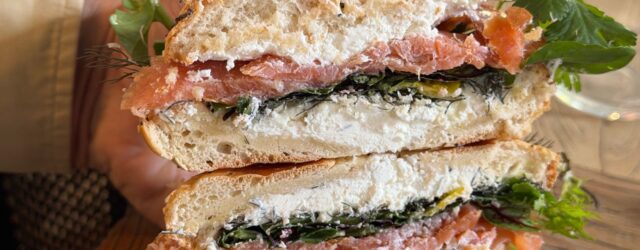
layered seasoning with herbs

Many of the foods you enjoy today have roots that extend far beyond traditional history books. Black communities preserved cooking techniques, ingredients, and family recipes through generations, ensuring their culinary heritage survived despite enormous challenges. Those traditions continue to shape American food culture and remain a vital part of everyday cooking.

Seven Black Cooking Traditions That Endured

Slow cooking over wood fires and in cast-iron pots created rich, flavorful meals from simple ingredients. Resourceful cooking turned beans, greens, grains, and affordable cuts of meat into nourishing dishes with little waste. West African rice-growing knowledge laid the foundation for Southern favorites such as red rice and jambalaya.

Layered seasoning with herbs, onions, peppers, garlic, and spices became another defining feature, giving everyday meals bold flavor without relying on expensive ingredients. Breadmaking also flourished, producing cornbread, biscuits, hoecakes, and sweet potato breads that remain staples across the United States.

Communal dining strengthened families and neighborhoods, with recipes passed down through shared meals, church gatherings, and celebrations. Finally, storytelling through food ensured that every recipe carried memories, traditions, and cultural identity from one generation to the next.

Why These Traditions Still Matter

These cooking traditions continue to influence restaurants, home kitchens, and professional chefs across the country. Many classic American dishes reflect techniques and recipes developed by Black cooks, even if their origins are not always widely recognized.

Researchers, including historians at the Smithsonian National Museum of African American History and Culture, continue documenting these contributions, highlighting the lasting influence of African American culinary traditions on the nation’s food history.

When you enjoy barbecue, cornbread, gumbo, rice dishes, or slow-cooked comfort food, you are experiencing more than a meal. You are sharing in a legacy built through resilience, creativity, and community. These traditions survived because families protected them, communities celebrated them, and each generation chose to preserve their stories through food. Their impact continues to shape American cuisine and reminds you that some of the country’s most cherished dishes owe their success to traditions that history once overlooked.

A Legacy That Lives On

Every time you enjoy barbecue, cornbread, gumbo, rice dishes, or slow-cooked comfort food, you are experiencing more than a meal. You are sharing in a culinary tradition built on resilience, creativity, and community. These recipes survived because families preserved them, communities celebrated them, and each generation passed them on with pride. Their influence continues to shape American cuisine, proving that some of the country’s most iconic dishes owe their success to traditions that history too often overlooked.


She Lived With Dementia for a Decade. Then One Small Change Turned Everything Around

Dementia care in the United States is increasingly focused on small, practical interventions that can improve day-to-day function even when the underlying disease remains progressive. In homes and clinics across the country, one of the clearest examples is hearing care, where specialists say untreated hearing loss can intensify confusion, withdrawal, and communication problems for people who have lived with dementia for years. For some patients, the change is not a new drug or procedure, but restoring access to sound.

Hearing care is emerging as a measurable dementia support tool

Researchers and clinicians have spent the past several years documenting the connection between hearing loss and cognitive decline, and that evidence sharpened in 2024 when a major study published in The Lancet highlighted hearing loss as one of the most significant potentially modifiable risk factors for dementia. Separate work funded by the National Institutes of Health also found that addressing hearing loss in older adults at elevated risk was associated with slower cognitive decline over a three-year period, according to the agency’s summary of the ACHIEVE study.

That matters for families already living with dementia because hearing loss can mimic or worsen common symptoms. When a patient cannot hear clearly, missed words, incomplete conversations, and reduced social engagement can look like a sharper decline in memory or attention. Audiologists and geriatric specialists have said that improving hearing does not reverse dementia, but it can reduce barriers that make daily life harder.

In practice, the “small change” is often straightforward: a hearing evaluation, hearing-aid fitting, wax removal, volume adjustment, or more consistent device use. Those steps can help a patient better follow conversations, respond to caregivers, and stay oriented during meals, appointments, and routines. The Alzheimer’s Association has also said sensory impairments can affect behavior, mood, and a person’s ability to participate in everyday activities.

The impact is especially visible at home, where communication breaks down first

For families in local communities, the effect of untreated hearing loss is often most obvious in kitchens, living rooms, and doctors’ offices rather than hospitals. Caregivers frequently report that a relative who seemed increasingly disengaged became more responsive once speech was easier to hear, though clinicians caution that results vary by the stage of disease, the cause of hearing loss, and the patient’s overall health.

What is confirmed is that hearing loss and dementia commonly overlap in older adults, and both conditions can complicate communication. What is not always known without formal testing is whether a sudden worsening in responsiveness is being driven by neurodegeneration alone, by hearing loss, or by both. Experts say that distinction matters because hearing problems are often treatable even when dementia is not.

The local implication is practical. A person with dementia who has lived with the condition for a decade may still gain clearer daily interactions from better hearing support, especially in familiar settings with family members and regular caregivers. Health systems have increasingly encouraged routine screening because communication failures can affect medication management, safety instructions, and social connection.

The broader context is a shift toward manageable, evidence-based interventions

The reason hearing care has drawn more attention is that dementia treatment remains limited, while supportive interventions can still improve lived experience. The 2024 Lancet Commission on dementia prevention, intervention, and care identified hearing loss as a major risk factor across the life course, reinforcing years of findings that sensory health is closely tied to brain health. NIH’s ACHIEVE results added evidence that hearing intervention can have cognitive benefits in higher-risk older adults, even though researchers did not describe hearing aids as a cure.

That distinction is central to how doctors frame the issue. Hearing aids do not “turn everything around” in the sense of stopping Alzheimer’s disease or other dementias. But for some patients, they can change the texture of daily life by reducing miscommunication, lowering frustration, and helping people stay engaged with routines and relationships for longer.

For residents and caregivers, the takeaway is narrow but concrete: if a person with dementia seems more confused, withdrawn, or difficult to engage, hearing loss is one factor clinicians increasingly advise families to check. The evidence supports hearing care as a practical part of dementia management, and major health organizations now treat that step as part of broader brain-health strategy rather than a separate issue.

Grocery Prices Are Moving Again, Here’s What Smart Shoppers Are Stocking Up On Now

Grocery prices are still changing across major supermarket categories even as overall food inflation has cooled from earlier peaks. In the United States, the latest shift is showing up less as a blanket price surge and more as a category-by-category reset, with pantry staples, some frozen and canned goods, and store brands standing out as lower-risk buys. That pattern is reflected in new federal forecasts and market research released in July 2026.

USDA says grocery inflation is now splitting by category, not moving in one direction

The clearest recent marker came on July 24, 2026, when the USDA’s Economic Research Service updated its Food Price Outlook and said eight of the 15 food-at-home categories it tracks are expected to rise faster in 2026 than their 20-year historical average. According to USDA, those categories include pork, other meats, poultry, dairy products, and cereal and bakery products, while price movement in produce remains more mixed. That matters because it signals that shoppers are no longer dealing with one single grocery trend across the whole store.

The Bureau of Labor Statistics’ June 2026 Consumer Price Index showed the same uneven pattern. The fruits and vegetables index decreased 0.2% over the month, while the broader meats, poultry, fish, and eggs index rose 0.6% monthly. The cereals and bakery categories also remained under pressure, indicating that some of the most frequently purchased household foods are still moving up even when other departments briefly soften.

In practical terms, that makes shelf-stable basics more attractive when retailers promote them. Dry pasta, rice, oats, canned beans, canned tomatoes, and frozen vegetables generally carry a lower cost per serving and a longer storage window than fresh prepared items. Those products also give households flexibility to wait out short-term price spikes in more volatile departments like beef, berries, or packaged snack foods.

What that means for shoppers across the U.S. right now

For shoppers in the U.S., the confirmed impact is national rather than tied to one state or city. Federal data points to changing prices at the supermarket, but no single government source breaks out a complete local-by-local list showing exactly which chains or neighborhoods will post the sharpest moves first. In other words, shoppers can confirm the broad trend, but not a universal store-by-store roadmap.

What is clear is that proteins remain one of the most sensitive parts of the basket. USDA said in its July summary that the U.S. cattle herd has fallen to its lowest level in 75 years, helping keep wholesale beef prices elevated for this point in the year. By contrast, USDA also said egg production is expected to increase in 2026 over 2025, a sign that at least some protein categories could become less volatile than they were during prior avian-flu-driven swings.

Store-brand purchasing is also becoming a measurable part of the response. Circana said on March 31, 2026, that U.S. private-label sales reached $330 billion, accounting for a 24% unit share and a 23% dollar share of the total market. That does not mean every private-label product is the cheapest option, but it does confirm that shoppers are leaning harder on retailer-owned brands as they compare per-unit costs in cereal, canned goods, condiments, dairy, and frozen foods.

Why pantry goods, seasonal produce, and private labels are getting more attention

The reason shoppers are stocking up selectively comes down to a mix of agricultural supply, manufacturing costs, and retailer pricing strategy. USDA tied higher pressure in meat categories to livestock conditions, including the reduced cattle herd, while its broader Food Price Outlook showed that several grocery categories are still running hotter than long-term norms. That creates a market where consumers benefit from buying around volatility instead of assuming every aisle will behave the same way.

Seasonality is another factor. Fresh produce can swing sharply depending on weather, harvest timing, and transportation costs, so shoppers often find better value by shifting toward in-season fruits and vegetables and filling gaps with frozen or canned alternatives. Federal inflation data showed produce easing slightly in June, but that does not guarantee stable pricing through the rest of the summer because produce moves faster than most pantry categories.

For customers, the near-term takeaway is straightforward. Shoppers should expect the best value to remain concentrated in flexible staples such as grains, beans, frozen vegetables, and store-brand basics, while beef, prepared meals, and heavily processed convenience foods are more exposed to pricing pressure. USDA’s latest outlook indicates grocery prices are still adjusting by category rather than returning to a single, steady pattern, and that is likely to remain the defining feature of the supermarket trip for now.

Cracker Barrel’s Top Boss Is Stepping Down: Here’s What Finally Pushed Them Out

Cracker Barrel

Restaurant chains across the U.S. have been under pressure from weaker guest traffic, higher operating costs, and increasingly vocal shareholders. At Cracker Barrel, that pressure culminated on July 27, when the Lebanon, Tennessee-based company announced that CEO Julie Masino will step down next month. Her exit follows months of sliding sales, investor scrutiny, and continued blowback from a branding controversy that kept the company in the political spotlight.

Cracker Barrel confirmed a CEO change effective August 10

Cracker Barrel Old Country Store said July 27 that Julie Masino will step down as chief executive officer and as a member of the board, with former Bloomin’ Brands CEO David Deno set to take over on August 10, according to the company’s announcement. Cracker Barrel also said Masino will remain in an advisory role through October 9. The company operates about 660 company-owned Cracker Barrel locations across 43 states, giving the leadership change national significance for one of the country’s largest full-service dining chains.

The timing came just weeks after Cracker Barrel reported third-quarter fiscal 2026 results showing continued strain in the core business. In that June 9 earnings release, the company said quarterly revenue fell to $797.4 million from $821.1 million a year earlier. Same-store restaurant sales also declined, and outside reports including the Associated Press and Reuters noted that restaurant traffic remained under pressure during Masino’s tenure.

Masino, a former Taco Bell and Starbucks executive, had led the company since 2023. Her departure is not framed by Cracker Barrel as a termination, but the sequence of events is notable: the company had recently sold real estate tied to 26 stores, divested Maple Street Biscuit Company, and announced the closure of the remaining 16 Maple Street locations as part of a broader profitability push. Those moves signaled a board and management team focused on stabilizing margins and simplifying the business ahead of the CEO handoff.

The change is centered in Tennessee, but affects a national chain

Cracker Barrel’s headquarters are in Lebanon, Tennessee, and the company’s official succession announcement was issued from there. That makes Middle Tennessee the center of the leadership transition, even though no restaurant closures were announced as part of Masino’s exit. The company has not released a list of specific Tennessee stores tied to any operational changes stemming from the CEO transition, and it has not said that any particular city or region will see staffing changes because of the move.

What is confirmed is that Cracker Barrel’s recent restructuring reached beyond the executive suite. On July 20, the company said it had completed a sale-leaseback transaction involving 26 Cracker Barrel stores and had divested Maple Street Biscuit Company. Cracker Barrel did not publicly identify the cities or states of those 26 stores in that announcement, and it did not release a comprehensive city-by-city list of the remaining 16 Maple Street locations it said would close.

For diners, that means the immediate impact is more about corporate direction than about confirmed local restaurant changes. Tennessee remains the company’s base of operations, but the available public disclosures do not show a Tennessee-only restructuring tied directly to Masino’s departure. Customers should instead expect continuity in the short term, with the same brand footprint still in place while the new CEO takes over.

Declining traffic, investor pressure, and brand controversy set the stage

Cracker Barrel did not publicly say one single issue forced Masino out, but the company’s own filings and outside reporting point to several overlapping pressures. In its June 9 earnings release, Cracker Barrel cited risks tied to inflation in commodities, ingredients, transportation, distribution, and labor, along with competitive pressures and weaker discretionary spending. The same filing showed year-over-year revenue declines and acknowledged ongoing challenges affecting restaurant performance.

At the same time, Masino faced a prolonged battle with activist investor Sardar Biglari, who had urged shareholders to vote against her board re-election and argued that the company had alienated core customers. That investor fight came after Cracker Barrel’s 2025 logo redesign drew swift backlash, including criticism amplified by national political figures. Reuters, the Associated Press, and other national outlets tied Masino’s departure to the continuing fallout from that episode, even as the company had begun narrowing its focus back to the core Cracker Barrel business.

For customers, the practical takeaway is that Cracker Barrel has presented the change as a succession move, not a shutdown announcement. The company said Deno will assume the CEO role on August 10, and recent company statements have emphasized profitability, debt reduction, and renewed focus on the main Cracker Barrel brand. As of now, that is the clearest signal of what diners and employees should expect next.

We Compared Prices at Walmart, Kroger, and Amazon: One Winner Kept Showing Up

Walmart

Grocery price competition remains one of the most closely watched battlegrounds in U.S. retail as inflation continues to shape how households buy staples. In a recent comparison of Walmart, Kroger, and Amazon, Walmart emerged as the lowest-priced option across a run of basic pantry and dairy items highlighted by Grocery Coupon Guide, the publisher behind the NewsBreak post that framed the comparison. The result lines up with broader industry reporting showing Walmart continuing to lean on its grocery scale while rivals adjust pricing to protect market share.

Walmart was the name that kept appearing in the lowest-price spot

The comparison highlighted nine everyday products that were priced lower at Walmart than at Kroger and Amazon, according to Grocery Coupon Guide’s item-by-item review published through NewsBreak on August 1, 2026. The list included basic large white eggs, store-brand granulated white sugar, all-purpose flour, whole milk, canned tomato products, peanut butter, dry spaghetti, table salt, and canned tuna. The article did not publish a full national pricing table or a dollar total for a sample basket, but it consistently identified Walmart as the lowest-priced retailer on those items.

That pattern broadly matches outside reporting on Walmart’s food pricing strategy. Reuters reported on May 19, 2026, that Walmart’s scale and supply chain allowed it to maintain a price gap against competitors even when tariffs and other cost pressures pushed prices higher across retail. Reuters also reported on May 21 that bargain-seeking shoppers were still moving toward Walmart’s low-priced groceries and essentials as fuel and food costs pressured household budgets.

The same dynamic has shown up in earlier basket research as well. Reuters reported in 2023 that an analysis of 10 food items found Walmart priced 14.8% below Kroger and 17% below Amazon on average. While that study predates the new nine-item comparison, it adds context for why a Walmart win on eggs, milk, pasta, and other staples is notable but not unexpected.

The impact is national, but item-level prices still vary by market and format

For shoppers, the immediate takeaway is practical but limited: Walmart was the repeat winner in this comparison, but exact shelf prices can still differ by city, store format, and fulfillment method. Grocery Coupon Guide’s write-up described Walmart’s edge as especially visible on heavy or routine staples, where Amazon delivery costs or multipack structures can raise the effective price and where Kroger often depends more heavily on promotions or digital coupons to stay competitive. The comparison did not identify which specific U.S. markets were checked, and it did not release a store-by-store list.

That matters because Kroger operates through multiple banners and regional divisions, while Amazon’s grocery pricing can shift depending on whether a customer is buying through Amazon Fresh, a third-party listing, or another delivery option. Walmart’s national store base also gives it a different cost structure than a regional supermarket chain. Reuters reported that Walmart’s roughly 4,600 U.S. stores function as a distribution network that supports both pricing and delivery speed.

Traditional grocers are responding. Reuters reported on May 21, 2026, that Kroger was preparing price cuts on thousands of items under CEO Greg Foran as it tried to regain market share from lower-priced rivals including Walmart. That means customers may continue to see aggressive pricing shifts, but Kroger has not released a public itemized national list tied to this specific Walmart-Kroger-Amazon comparison.

The broader reason is scale, inflation pressure, and a fight for value shoppers

The reason Walmart kept showing up in the winner’s column comes down largely to operating scale and the role groceries play in each company’s strategy. Reuters said Walmart has used its size, supply chain reach, and technology investments to keep groceries and essentials priced aggressively, even as tariffs and commodity costs create fresh pressure. In July, Reuters also reported that Walmart rolled back prices on a range of summer food items, reinforcing that the company is still using food to drive traffic.

Kroger, by contrast, has acknowledged that value competition is intensifying. Reuters reported in May and June 2026 that Kroger planned price reductions on thousands of products and was looking for cost savings it could reinvest into shelf prices. Company commentary cited cautious consumer spending, inflation concerns, and the need to regain share from discount-oriented competitors.

For customers, that means Walmart is still the retailer most consistently associated with low everyday staple pricing in both media comparisons and broader industry coverage. It does not mean Walmart is cheapest on every product, and the NewsBreak comparison itself said no single retailer wins every category. But for households building a basket around eggs, milk, flour, pasta, canned goods, and other basics, the latest comparison suggests Walmart remains the name most likely to show up as the price leader.

Culver’s Just Made Its Biggest Menu Move in Years: Here’s What’s Coming to Your Tray

Restaurant chains are leaning harder on limited-time offers and loyalty perks as diners look for both value and variety. Culver’s has now outlined one of its largest menu updates in recent memory, pairing new burgers and desserts with digital rewards changes across its multistate footprint. The Wisconsin-based chain said the plan will unfold throughout 2026.

Culver’s says four new Pub Burgers and more are on the way

Culver’s announced the 2026 menu expansion on February 3, 2026, in a company press release from Prairie du Sac, Wisconsin. The chain said the plan includes four Pub Burger releases, several pumpkin-inspired desserts for fall, two new Flavors of the Day and a new version of a classic menu item influenced by Wisconsin supper club traditions. Culver’s head of culinary Kasey McDonald said the company’s goal for 2026 is to deliver flavors that encourage repeat visits while staying tied to the brand’s Midwest identity.

The company also said the rollout follows months of research and testing. Culver’s confirmed that the new burgers will feature inventive sauces, unique protein pairings and the return of some fan-favorite flavors, though it has not yet published full ingredient details for each item. The brand described the overall strategy as a blend of innovation and what it called comfortable classics.

Beyond food, Culver’s said it is adding features to its Delicious Rewards platform. According to the company, guests will be able to save preferences, receive notifications for favorite Flavors of the Day and share points with friends and family. Those additions expand on a loyalty program that Culver’s launched nationally in November 2025.

What the rollout means across Culver’s 26-state restaurant footprint

Culver’s said the new menu items are expected to roll out systemwide throughout 2026 across its more than 1,000 restaurants in 26 states. That makes this a national chain update rather than a test limited to a single region, although the company has not released a comprehensive restaurant-by-restaurant launch calendar. It also has not published a full list showing which locations will receive which limited-time items first.

That leaves some local details unresolved for diners in individual states and cities. Culver’s has confirmed the overall scope of the rollout, but it has not yet identified specific launch dates for each burger, dessert or custard flavor by market. The company likewise has not said whether every restaurant will receive every item on the same schedule.

What is already clear is that the loyalty updates are meant to support more location-specific ordering habits. Culver’s materials for Delicious Rewards already promote saved favorite locations and Flavor of the Day preferences, and the company said the coming upgrades will build further on that personalization. For customers, that means menu news in 2026 is likely to arrive in stages rather than as one nationwide drop.

Culver’s is tying menu innovation to guest demand and loyalty growth

Culver’s attributed the expansion to guest feedback and to recent performance from newer items. In its announcement, the company said the success of 2025 products including Jalapeño Cheese Curds and its revamped chicken sandwich lineup helped shape the more aggressive 2026 pipeline. McDonald said guest response to spicier and more adventurous offerings encouraged the culinary team to keep experimenting.

The company also cited a broader consumer appetite for new food and beverage trends in 2026. In its release, Culver’s said 64% of consumers were anticipating new food and drink trends this year, framing the menu push as a response to demand for fresh flavors. That places the move in line with a wider quick-service industry strategy of using rotating items to drive traffic and keep regular customers engaged.

For customers, the practical takeaway is that Culver’s is preparing a yearlong stream of additions rather than a single permanent menu reset. Specific product names, ingredients and launch timing are still expected to be announced closer to each release date, according to the company. Until then, diners can expect a staggered 2026 lineup centered on burgers, fall desserts, frozen custard innovation and more personalized rewards features.

One Number Is Reigniting the Debate Over Who’s Really Responsible for Inflation

Inflation debates in the U.S. have increasingly centered on whether workers’ paychecks or companies’ pricing power are doing more to push prices higher. That argument sharpened on June 4, when a new Bureau of Labor Statistics report showed labor’s share of nonfarm business output fell to 53.7% in the first quarter of 2026, the lowest level recorded since the series began in 1947.

A federal data release put one figure at the center of the inflation debate

The Bureau of Labor Statistics reported on June 4 that the labor share in the nonfarm business sector was 53.7% in the first quarter of 2026, the lowest recorded value since the series began in 1947. In the same release, the agency said unit labor costs in the nonfarm business sector rose 1.8% at an annualized rate during the quarter, while real hourly compensation fell 1.4%. Those figures mattered because labor share measures how much of output flows to workers in compensation rather than to profits and other capital income.

The same BLS release also published preliminary first-quarter figures for the nonfinancial corporate sector. In that sector, unit profits rose 13.3% at an annualized rate in the first quarter of 2026, while the value-added output price deflator rose 3.4% and unit labor costs rose 1.4%, according to Table 6 of the report. On a year-over-year basis, unit profits were up 5.6% while the output price deflator rose 2.3%.

Those figures are now being used by both sides of the inflation argument. Economists who argue wage growth is not the main source of current inflation point to the low labor share and faster profit growth. Others note that the broad inflation picture still includes energy, food, rents, tariffs and other costs that are not captured by any single quarterly indicator.

The impact is national, and the local breakdown is still limited

Because the BLS labor share figure is a national measure, it does not identify which states, metro areas or industries are driving the change. The agency has not released a state-by-state labor share breakdown in this report, and the federal data do not provide a local list of sectors most responsible for the national low. That means there is no confirmed city-level or state-level ranking tied to the 53.7% number itself.

What is confirmed is that the number covers the nonfarm business sector across the U.S., making it relevant to households and businesses well beyond Wall Street. For consumers, the debate matters because it shapes how policymakers, employers and elected officials explain persistent price pressure on groceries, housing, transportation and other daily expenses. For businesses, it affects the broader narrative around pricing, wage demands and margins.

The report also arrived after another federal labor-cost reading that complicated the wage-inflation story. Reuters reported on April 30 that the Employment Cost Index rose 0.9% in the first quarter, with benefits driving much of the gain, but economists cited in that report said the labor market was not a major source of inflation. That added more attention to the June labor share figure as a competing signal.

The broader context is a fight over wages, profits and pricing power

The main reason this number is drawing attention is that it cuts against a simple wage-driven explanation for inflation. If labor’s share of output is at a record low, that suggests workers are receiving a smaller portion of what the economy produces even as prices remain elevated. In the nonfinancial corporate sector, the BLS data showed unit profits increasing much faster than unit labor costs in the first quarter, which gives fresh support to arguments that margins and pricing power still matter.

At the same time, federal data show inflation remains broader than wages alone. Reuters reported in May that consumer prices accelerated sharply in April, with energy and food costs playing a significant role, while producer prices also climbed as gasoline and transportation costs increased. Those reports indicate that current inflation cannot be pinned on one cause.

For households, the practical takeaway is that the argument over inflation responsibility is likely to continue because the data point in different directions depending on the measure used. The June 4 BLS report did not forecast what comes next, but it did provide a clear factual marker: labor’s share of output hit a record low at the same time profit measures in the corporate sector were still rising, keeping the inflation blame debate active.

Why Trader Joe’s Refuses to Play the Loyalty-App Game Everyone Else Is Playing

As rewards apps, digital coupons and member-only pricing become standard across the grocery industry, one of the country’s best-known chains has continued to hold out. Trader Joe’s has repeatedly said it does not plan to add a loyalty program, arguing that its version of customer loyalty is built through products, prices and service rather than points or app-based perks. That stance has kept the company apart from much of the supermarket business, even as loyalty enrollment and retailer investment continue to grow.

Trader Joe’s says no to member-only pricing and app-based rewards

Trader Joe’s made its position especially clear in a 2023 episode of its “Inside Trader Joe’s” podcast, where marketing executives Matt Sloan and Tara Miller said the company does not see a loyalty club as necessary to serve its shoppers. In the podcast transcript, Sloan said shoppers do not need to be part of “a special club” to access the chain’s prices and products, and Miller said the format “doesn’t make sense” for the company. Grocery Dive revisited that stance in July 2026, describing Trader Joe’s as an outlier even as more grocery, restaurant and retail brands launch or update loyalty programs.

The scale of that decision is significant because Trader Joe’s operates hundreds of stores across the U.S. The company’s store directory currently lists locations across 43 states and Washington, D.C., showing that its no-loyalty-program approach applies across a broad national footprint rather than a limited regional test. That makes Trader Joe’s one of the more visible chains declining to use the app-and-rewards playbook that many competitors now treat as a core retention tool.

The company has also tied that position to a broader operating model. In a separate 2023 podcast episode covered by Grocery Dive, Trader Joe’s said it avoids other cost-adding retail features, including e-commerce expansion, because those services can raise expenses and complicate the low-price, in-store experience it wants to protect.

What the policy means in stores across the U.S.

For shoppers, the immediate impact is straightforward: Trader Joe’s prices are not gated behind a phone number, membership account or digital wallet. The company has framed that as a universal-access approach, saying the same prices and products are available to anyone who walks through the door. That matters in a market where some competing grocers now split pricing between standard shelf prices and app-linked promotional offers.

What is not publicly known is whether Trader Joe’s has ever developed a detailed internal roadmap for a future loyalty platform. The company has publicly explained why it does not use one, but it has not released any formal national policy document, timeline or market-by-market analysis suggesting a change is under consideration. It also has not published a state-by-state breakdown showing whether any region was evaluated differently.

Instead, the company’s public messaging has been national and consistent. Its own store directory shows the chain’s footprint from California and Texas to Florida, Illinois and New York, but the no-loyalty stance has been presented as companywide, not tied to one state or city. For customers, that means the shopping experience remains largely the same regardless of market: no app-exclusive discounts, no points balance and no member tier at checkout.

Trader Joe’s strategy is rooted in private label, service and cost control

Industry analysts cited by Grocery Dive said Trader Joe’s is able to reject a formal loyalty program because it already has several of the conditions many retailers try to create through one. The chain relies heavily on private-label goods, with Grocery Dive reporting that more than 80% of the products in Trader Joe’s stores were private label as of early 2023. That gives the retailer distinctive products shoppers cannot easily price-match elsewhere and reduces reliance on manufacturer-funded promotions that often support other grocers’ rewards programs.

The broader industry context also helps explain the decision. EY’s 2026 Loyalty Market Study said loyalty programs continue to perform well on measures such as enrollment and return on investment, but also found customers are participating in fewer programs and often experiencing them as more complex. Grocery Dive reported from that same study that only 48% of surveyed consumers said a loyalty program made them feel more positive about a brand, down from 67% two years earlier.

Trader Joe’s has said it would rather read demand through what sells than track individual customer baskets for personalized offers. In the 2023 podcast transcript, Miller said the company tracks product performance rather than individual purchases, while Sloan said Trader Joe’s views loyalty as something the company owes its customers. For shoppers, the practical result is that Trader Joe’s appears set to keep emphasizing everyday pricing, private-label differentiation and in-store service instead of launching a rewards app.

The USDA Just Handed Out $40 Million: Here’s Where It’s Actually Going

The U.S. Department of Agriculture has continued to steer federal food policy toward school meals, local sourcing, and kitchen modernization as districts face pressure to serve healthier food at scale. That strategy came into sharper focus on April 16, 2026, when USDA announced the first round of its fiscal year 2026 Patrick Leahy Farm to School Grants and, at the same time, opened applications for another $20 million in school kitchen equipment funding, according to the agency’s Food and Nutrition Service. Together, the two actions put roughly $40 million into the school food pipeline, but the money is split between grants already awarded and a separate funding round schools still have to apply for.

USDA split the funding between grants already awarded and equipment money still up for grabs

USDA’s April 16 announcement covered two separate pots of money, not one single nationwide payout to schools. The first was the initial cohort of fiscal year 2026 Patrick Leahy Farm to School Grants, which USDA said marked the beginning of a record year of nearly $20 million in total Farm to School funding. The second was the opening of applications for $20 million in National School Lunch Program Equipment Assistance Grants, which are intended to help schools upgrade kitchens and prepare fresher meals, according to USDA.

By July 7, 2026, USDA said it had completed the full Farm to School award cycle for the year, bringing the total to 68 projects across 37 states with nearly $20 million awarded. That later update matters because the April announcement described only the first cohort, while the final USDA awardee list reflects the full national distribution for fiscal 2026. USDA also said the Farm to School program has now awarded more than $119 million since 2013, funding more than 1,265 projects across all 50 states, the District of Columbia, U.S. territories, and tribal communities.

The equipment funding is on a different track. USDA said the $20 million in National School Lunch Program Equipment Assistance Grants would go to eligible schools through a separate application process, with the goal of helping meal programs purchase or upgrade equipment needed to prepare fresh and minimally processed foods that align with the Dietary Guidelines for Americans, 2025-2030. In practical terms, that means the headline $40 million is not all immediate cash in hand for local districts.

The national footprint is confirmed, but local award lists remain incomplete in many places

What is confirmed nationally is that Farm to School money has already been awarded across a wide map. USDA’s fiscal 2026 awardee materials say the 68 funded projects span 37 states, giving the initiative a broad footprint rather than concentrating dollars in only a few regions. USDA also said the grants are meant to help schools buy more locally produced food, build relationships with nearby farmers and food producers, and expand agricultural education tied to meal programs.

What is not yet fully clear in many communities is how the separate equipment dollars will land. USDA opened applications for that $20 million pool in April, but a comprehensive public list of final local recipients was not included in the announcement referenced here. In other words, families and school food operators can confirm that the funding stream exists, but they cannot yet point to a full nationwide roster of schools receiving kitchen upgrades unless USDA or state agencies release those details later.

That distinction is especially important at the state and local level. A district may be in a state with a Farm to School awardee and still not know whether nearby schools will receive equipment support. USDA’s published materials confirm the national program design and the overall dollar amounts, but they do not provide a complete location-by-location breakdown for every community tied to the separate equipment funding round.

The spending reflects USDA’s broader push to connect school meals, local agriculture, and healthier preparation

USDA has framed both funding streams as part of the same larger policy goal: getting more local food into child nutrition programs while improving schools’ ability to cook and serve it. In its April and July 2026 statements, the agency said Farm to School grants are designed to strengthen connections between schools and American farmers, producers, ranchers, and fishers. USDA also said equipment assistance is meant to give school meal programs the tools needed to prepare fresher meals instead of relying as heavily on more processed options.

That context also helps explain why the funding is split. Farm to School grants support program development, local purchasing partnerships, and agriculture education, while equipment grants address the practical limitations inside school kitchens. USDA tied the equipment program to healthier meal preparation and alignment with the latest Dietary Guidelines for Americans, signaling that policy goals around nutrition standards and operational capacity are moving together rather than separately.

For families and school communities, the near-term takeaway is straightforward. Some Farm to School awards are already assigned, and the broader fiscal 2026 total has now been finalized by USDA, while the separate $20 million equipment pool was opened for applications and depends on later distribution decisions. The likely visible changes, where funding reaches a district, are more local food on menus, stronger ties to nearby producers, and kitchen upgrades that make scratch or minimally processed cooking more feasible in school cafeterias.

3 Restaurant Giants Are Pulling Out of California, And Barely Anyone’s Talking About It

Restaurant chains across the U.S. have spent the past two years pruning weaker stores as labor, food and financing costs stayed high and traffic softened. In California, that pattern is now showing up across several well-known brands, with Five Guys, Jack in the Box and Denny’s each confirming or signaling a smaller footprint. The result is not a statewide exit, but a measurable pullback in one of the country’s biggest restaurant markets.

Five Guys has confirmed multiple California shutdowns, but not a statewide total

Five Guys has been one of the clearest examples of a California retrenchment because several specific closures have been identified at the city level. Local reporting and state workforce filings tied closures to locations in Tracy, Bakersfield, Rancho Mirage and Valencia, while the Los Angeles Times reported that Five Guys locations in Whittier and the City of Industry were set to close in late May 2026. The company still operates broadly in California, but those shutdowns show a real contraction rather than isolated rumor.

What remains unconfirmed is the company’s full statewide tally. Five Guys has not released a comprehensive list of all affected California restaurants or said how many more locations, if any, could be reviewed. That leaves city-by-city reporting as the main public record for understanding the scope of the pullback.

The broader context is that Five Guys is not describing a collapse of the brand. Reporting on the closures has framed them as selective cuts to weaker stores while the chain continues operating a large national system. In practical terms, California diners should expect some markets to lose nearby stores even as the brand remains active elsewhere in the state.

Jack in the Box is closing 150 to 200 underperforming restaurants as part of JACK on Track

Jack in the Box made the most explicit nationwide closure announcement of the three chains. On April 23, 2025, the San Diego-based company said it would close about 150 to 200 underperforming restaurants under its “JACK on Track” plan, with roughly 80 to 120 closures scheduled by December 31, 2025, according to the company’s investor release. The company said a majority of those restaurants had been in the system for more than three decades.

Because Jack in the Box is headquartered in California and has one of its heaviest concentrations in the state, that plan matters locally even though the company did not publish a California-only closure count. The company has not released a full list of affected California restaurants, and it has not said publicly how many of the 150 to 200 closures are in California versus other states.

The company tied the move to long-term financial performance, debt reduction and a shift toward a more asset-light model. Later earnings releases also said restaurant count declines were affecting revenue, while the company cited transaction declines and inflationary commodity pressures. For California customers, the immediate takeaway is that some older or weaker units may disappear, but the brand has not announced a retreat from the state as a whole.

Denny’s is still closing lower-volume restaurants, with California likely in the mix

Denny’s has likewise been shrinking its system through an extended closure strategy. During its October 22, 2024 investor update, the diner chain said it planned to close 150 restaurants by the end of 2025, including about 50 in 2024 and about 100 in 2025, according to company statements cited by multiple business outlets. In its 2025 quarterly reporting, Denny’s also said it had closed 30 franchised restaurants as part of an accelerated plan to eliminate lower-volume stores.

California’s exact share of those closures has not been publicly broken out in a comprehensive company list. Still, the state is one of Denny’s largest markets, which makes any broad unit-reduction plan especially relevant there. The company has said many targeted restaurants are older units that no longer produce enough sales to justify continued operation, but it has not released a complete California closure roster.

The reasons Denny’s has given are consistent with the wider industry reset: weaker traffic at lower-volume stores, pressure on unit economics and a portfolio review aimed at improving overall brand health. For residents, that means some long-running locations may close without much advance public detail, while Denny’s continues operating a large remaining system and reshaping the brand around stronger-performing restaurants.