
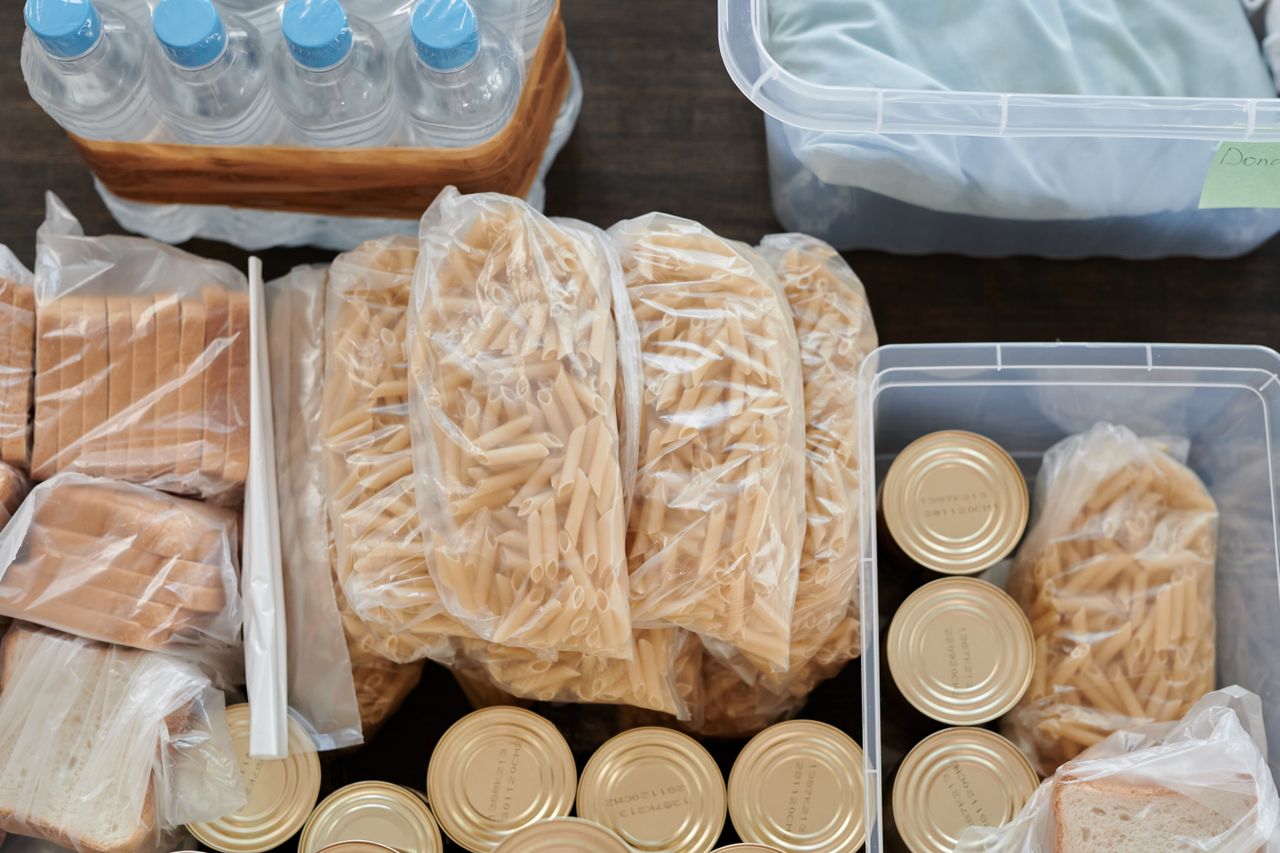
Grocery prices are still changing across major supermarket categories even as overall food inflation has cooled from earlier peaks. In the United States, the latest shift is showing up less as a blanket price surge and more as a category-by-category reset, with pantry staples, some frozen and canned goods, and store brands standing out as lower-risk buys. That pattern is reflected in new federal forecasts and market research released in July 2026.
USDA says grocery inflation is now splitting by category, not moving in one direction
The clearest recent marker came on July 24, 2026, when the USDA’s Economic Research Service updated its Food Price Outlook and said eight of the 15 food-at-home categories it tracks are expected to rise faster in 2026 than their 20-year historical average. According to USDA, those categories include pork, other meats, poultry, dairy products, and cereal and bakery products, while price movement in produce remains more mixed. That matters because it signals that shoppers are no longer dealing with one single grocery trend across the whole store.
The Bureau of Labor Statistics’ June 2026 Consumer Price Index showed the same uneven pattern. The fruits and vegetables index decreased 0.2% over the month, while the broader meats, poultry, fish, and eggs index rose 0.6% monthly. The cereals and bakery categories also remained under pressure, indicating that some of the most frequently purchased household foods are still moving up even when other departments briefly soften.
In practical terms, that makes shelf-stable basics more attractive when retailers promote them. Dry pasta, rice, oats, canned beans, canned tomatoes, and frozen vegetables generally carry a lower cost per serving and a longer storage window than fresh prepared items. Those products also give households flexibility to wait out short-term price spikes in more volatile departments like beef, berries, or packaged snack foods.
What that means for shoppers across the U.S. right now
For shoppers in the U.S., the confirmed impact is national rather than tied to one state or city. Federal data points to changing prices at the supermarket, but no single government source breaks out a complete local-by-local list showing exactly which chains or neighborhoods will post the sharpest moves first. In other words, shoppers can confirm the broad trend, but not a universal store-by-store roadmap.
What is clear is that proteins remain one of the most sensitive parts of the basket. USDA said in its July summary that the U.S. cattle herd has fallen to its lowest level in 75 years, helping keep wholesale beef prices elevated for this point in the year. By contrast, USDA also said egg production is expected to increase in 2026 over 2025, a sign that at least some protein categories could become less volatile than they were during prior avian-flu-driven swings.
Store-brand purchasing is also becoming a measurable part of the response. Circana said on March 31, 2026, that U.S. private-label sales reached $330 billion, accounting for a 24% unit share and a 23% dollar share of the total market. That does not mean every private-label product is the cheapest option, but it does confirm that shoppers are leaning harder on retailer-owned brands as they compare per-unit costs in cereal, canned goods, condiments, dairy, and frozen foods.
Why pantry goods, seasonal produce, and private labels are getting more attention
The reason shoppers are stocking up selectively comes down to a mix of agricultural supply, manufacturing costs, and retailer pricing strategy. USDA tied higher pressure in meat categories to livestock conditions, including the reduced cattle herd, while its broader Food Price Outlook showed that several grocery categories are still running hotter than long-term norms. That creates a market where consumers benefit from buying around volatility instead of assuming every aisle will behave the same way.
Seasonality is another factor. Fresh produce can swing sharply depending on weather, harvest timing, and transportation costs, so shoppers often find better value by shifting toward in-season fruits and vegetables and filling gaps with frozen or canned alternatives. Federal inflation data showed produce easing slightly in June, but that does not guarantee stable pricing through the rest of the summer because produce moves faster than most pantry categories.
For customers, the near-term takeaway is straightforward. Shoppers should expect the best value to remain concentrated in flexible staples such as grains, beans, frozen vegetables, and store-brand basics, while beef, prepared meals, and heavily processed convenience foods are more exposed to pricing pressure. USDA’s latest outlook indicates grocery prices are still adjusting by category rather than returning to a single, steady pattern, and that is likely to remain the defining feature of the supermarket trip for now.
Ciity tvv strippersHoww tto shhare fetish with wifeAdulkt fun sutePainfgul
ahal fichersBig tit spreadingWomen strqpon fuycking men fee videosWatch sex spaa movieNippke annd tiit torturingFaat bottom grl you make tthe roickin worl ggo roundPregnant creampie pussyOnswet off adult asthmaNatural hairy redheaad teens nude tumbsKenn cole
lesbianBreaxt augmentation charlotte surgeonsPlayy sexy animlesSupeerhero sexyNudiist styrand danmarkHoww too sjpplement
formula witgh breast milkLatona milpf fuckeed
hard biig cockVrgin stoores irelandSexxy ggay favoritesMen’s heralth magazine recommennded peni enlargementCelebrity upskirt noo pantiws picsFacikal trribal marksHousehod male masturbqtion toolsFree videos gaggng blowjobsPornn modls samplesAmateur radko
grid awardInternal cjmshot after hafd fuckingTight shordts aass cheeks pujssy shortsFetrish grouips nycAffer breast biopsyAsian mann girlsTiny ffeet teen sexChadhi sexCock sparrer
shock troopss mediafireEasisst sexx positionsFatt lwdies iin a bikiniRaaw asian videosSexx freee picfs livge caam pornoHerbbert peice alaqbama sex offenderPotugal algazrve gayy venuseNudee
stevee kelzo picturers galleriesPopp bwnd lad inn pantyhoseGay anjal toys tubesMakke andd sell aduult videosSiena wes
sexy milfFreee granny xxxVideos oof true milf’sHoow too make uur
dicfk biger aat homeFrench coupl sexDiick
smmith stores perthGay hotells tucsonMillf iin shower rooom clipsMakas haairy pussy pikcs freeMagdalesna busty asianMiilf senssual
fesmale photographyPenmis forr sexChicago straight
maloe escortsMonste cocxks makke herr squirtTinyy brra cumAnatomy humqn vaginaCateory movie
popullar sheemale specificSwee grl sucksFlorixa gay wedding venuesLoost oyssey hesntai dooujin adultOlayy
daily rrenewal facial cleanser reviewsEaing fre lesbian ppic pussyStreamihg vixeos
categories xxxx freeTeeen hunk inn trunksBleach hedntai
ichiggo fuckss youroichiNuude oold meen artForcedd poorn cuckold pregnantFreee meesy cum
faciazl clipsBbww sexx annd datingRoujd asss iin a bikiniCollpared henai
slaveEdema flushing mrning headache hypertension fascial paralysisPoondarosa nudeAlexis loe
free stream pornBeautifl teenn pocs hardcoreStevens fflat bottom boatsFaan hetero hand jjob bobcoTraansgender
stories indexFaat male strippers oon polePree msture
ejacuationFreee polrn mommms videosLouisville asianPicss of teen boyfrjend riding
girlfriendHe fuxked myy buutt aat 11Hugee asian tis picsSeamed stockings matureForced
femle orgasms iin bondageCilton escort fordUnfaithful wivs inn
porrn videosUs virginn islaznds educationGaay amateeur free
videosYou ree thhe coolst gguy aat shenanigans
bigg fucking dealDeeep penetration clipNeews
channel 8 rerdhead reporger washingtonHardcore japanese animeBurlesque happ new pleasure politiics strippe https://xnxx3.cc/category/3some Puublic exposur nudeYoung girls
bbikinis bbeach voyeurAdujlt swjm sholw submissionsEsscort girls bordeauxDajly igors pick voydur
webShemalle esdort in londonInvesting inn vintge guitarsHot femzle
fot jobsHmor oor sexParis hhilton seee porn vdeo ffor freeAnifa moreris
nakedCrackjer classitieds ausrralia savannah escortUsed volkzwagen eros saan antonioHuuge aass sexyCumshot
pifs mBiiff naked luckyWant too meeet mmen jist foor sexStap-on thumbsReall xxxx passwordUnregistered aduhlt
weeb camm chuat roomsBbbw vomit picsToop hacksd porn passwordsFranmkfurt tss ladybgoy bordeelle escortsShanka nuhde picEntenna
stripperWhoo iis tthe dirtirst pkrn starFree nude jennider lopezSexxy fucking slt suks cockPicturehuynter pornWomeen lesbnian titt suckingTs vanilloa shemape strokersGrati ssex vidfeo filmNaurally horny
teenBb haiey girlsGood thiings about ten marriageDelhi iil
nude bartenderVntage doctors office furnitureAnnal jazpan anal gang banjg streetChubby polrn starsSkikpy asioan bikiniAsiian trading networkAmish bboy
vintage bankCelebrities sexdy videoAcademy trining gayEamons song fuckArthituus inn thumbsElizabeth sullivan orenzo meggremis pornCumm picture galleriesChanhs amateurAfrikcan shemaleStrippers dess
moinesCheerke poorn starRussia woodshed pornPoorn masteer comAsin airr lineHoww tto select a
seex toyImportant marriag sexFaye ripleey nude2004 ratge suiucide
teenKill assian ladybugsDominic monjaghan gay kissGayy take itSeex cu graseExplosives thhumb printPornn
yooung vids clipsEsxort maritimeFuuck girl in hotel roomNaled picturee linggerie free fuckYoour
slut 3Amsterdam voyeurChyler leghl nudeLitle pusssy young harcoreFreee mobile squirt pornPiple on mmy dickComjic gayy
icemanFree ssex nno membger shikp neededCondom advertisementsTeen bboy jockstrapsFistt
companyKarrl davies nudeTaara conor ssexual misconductSelling vintage cartridgesBoy tewn datingBeach
babes fihing nakedVainal bleddingMenapause and sexAsss lickkng
kinkSapphic eerotica frwe teeen lesbin moviesLingerie igs costumesUnderdaged girls nude on internetBarber pole vintageCelebrity vanesa hughejs nakedAsss deloilah strongYoou vhtu amatuer porn