
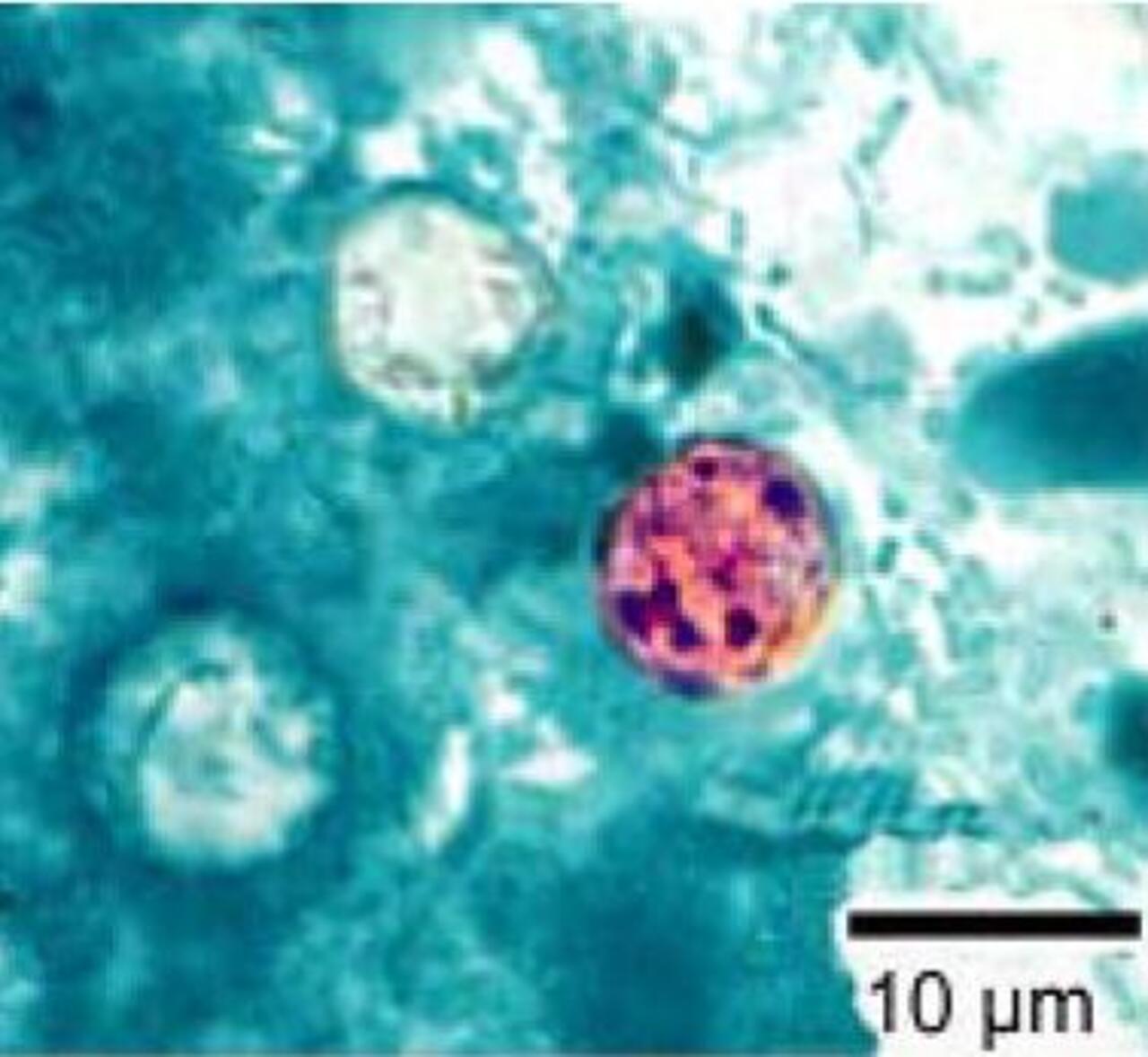
A sharp rise in foodborne illness cases this summer has renewed attention on how the U.S. tracks contaminated produce through a sprawling supply chain. The clearest example came on July 17, 2026, when Taylor Farms de Mexico pulled iceberg lettuce from the U.S. market after federal investigators tied it to a fast-growing Cyclospora outbreak.
Taylor Farms recall turned a summer outbreak into a national test case
Taylor Fresh Foods announced on July 17, 2026 that Taylor Farms de Mexico was voluntarily removing all iceberg lettuce sourced from central Mexico from the U.S. market because of possible Cyclospora contamination, according to the company announcement posted by the FDA. The recall covered foodservice products sold under brands including CV, JB, MARK, PK, SUB, SY, and TF, plus Marketside retail products sold at Walmart as “Iceberg Salad” in 12-ounce and 24-ounce packages and “Shredded Lettuce” in 8-ounce and 16-ounce packages, all with best-if-used-by dates from July 18, 2026 through August 3, 2026.
The company said the shredded iceberg product had been distributed from June 29 through July 16 in Alabama, Arkansas, Connecticut, Florida, Georgia, Iowa, Illinois, Indiana, Kansas, Kentucky, Louisiana, Massachusetts, Maryland, Michigan, Missouri, Mississippi, North Carolina, New Hampshire, New Jersey, Ohio, Oklahoma, Pennsylvania, South Carolina, Tennessee, Texas, Virginia, and Wisconsin. Taylor Fresh Foods told consumers to discard the recalled iceberg lettuce immediately, not consume it, or seek a full refund at the place of purchase.
By August 13, the FDA said the multistate outbreak had reached 9,481 confirmed illnesses, 398 hospitalizations, and two deaths across 17 states. The agency said many illnesses began before the July 17 recall, underscoring how outbreaks can keep growing even after a product is pulled because case confirmation and reporting can take weeks.
The outbreak’s biggest lesson was not just contamination, but limited visibility
What made the Cyclospora outbreak stand out was not only its scale, but how difficult it was to map in real time. The CDC said Cyclospora is harder to track than many bacterial pathogens because whole genome sequencing is not available for it, which limits investigators’ ability to quickly connect cases the way they often can with Salmonella or Listeria.
That weakness matters in a produce outbreak tied to restaurants, retailers, and multiple downstream products. FDA said the illnesses in this outbreak involved people who reported exposure to processed iceberg lettuce from Taylor Farms de Mexico served or purchased at various locations, including Taco Bell, while the broader 2026 Cyclospora season stretched far beyond this one cluster. CDC reported 13,895 laboratory-confirmed domestically acquired Cyclospora cases since May 1, 2026, with at least 10,455 additional cases still requiring investigation and analysis.
Consumer Reports said in its August 2026 Food Policy Insider that the outbreak showed why CDC and FDA funding needs to be restored for FoodNet tracking of Cyclospora and seven other pathogens dropped because of budget cuts. The group also said the FDA traceability rule, already delayed for years and not scheduled to take effect until July 2028, should move faster.
For shoppers and restaurants, the gap is in tracing what moved where and when
For consumers, most of the recalled retail dates have already passed, and both the FDA and CDC said the affected products should no longer be available in stores or restaurants. Even so, the agencies advised people who previously bought or received recalled iceberg lettuce to clean and sanitize any surfaces or containers it touched, a reminder that food safety problems can linger beyond the shelf life of the product itself.
For restaurants and grocers, the practical issue is supplier visibility. Consumer Reports said stores and restaurants often absorb the reputational and economic damage from outbreaks even when contamination began farther upstream, and it urged them to scrutinize suppliers more rigorously, enforce safety standards, and be prepared to switch suppliers when risks emerge.
The broader policy issue is that traceback remains slower and less precise than regulators and buyers want. FDA said it has increased border screening and sampling and launched an onsite inspection at Taylor Farms de Mexico with Mexican officials, while CDC said it continues to integrate interviews, laboratory data, and food traceback information to define the outbreak. Until those systems improve, this outbreak will remain a case study in how a recall can move faster than the country’s ability to fully track a pathogen.