
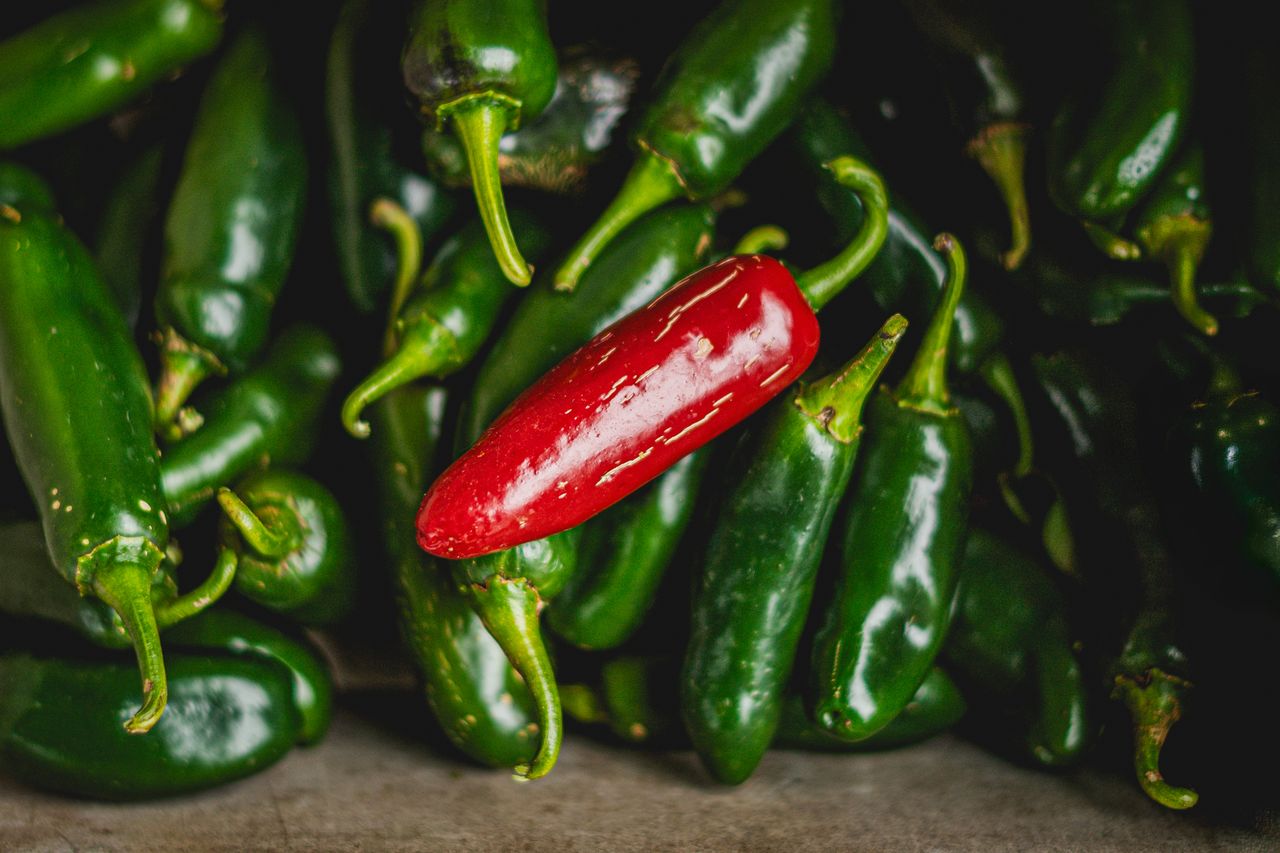
A multistate foodborne illness investigation is again showing how a single raw ingredient can move quietly through the food system before becoming visible in restaurants and grocery prepared foods. In this case, federal investigators have tied a nationwide Salmonella Javiana outbreak to jalapeño peppers from Sinaloa, Mexico, turning a produce shipment into a broad food safety event with consequences for chains, wholesalers, and shoppers.
The outbreak widened from bulk peppers to downstream recalls
The Food and Drug Administration and Centers for Disease Control and Prevention said on August 5 that a multistate outbreak of Salmonella Javiana infections had been linked to jalapeño peppers from Sinaloa, Mexico, distributed by Coast Citrus Distributors. In that initial federal update, CDC reported 345 illnesses across 27 states, 36 hospitalizations, and no deaths, with illness onset dates ranging from June 19, 2026, to July 20, 2026. FDA said epidemiologic and traceback evidence pointed to a common grower in Sinaloa supplying Coast Citrus.
FDA’s outbreak page was later updated to show the investigation had grown to 431 illnesses in 32 states, with 57 hospitalizations and no deaths reported as of the August 19 update. The states listed by FDA were Alabama, Arkansas, California, Colorado, Florida, Georgia, Illinois, Indiana, Kansas, Kentucky, Louisiana, Michigan, Minnesota, Missouri, Montana, North Carolina, North Dakota, Nebraska, New Jersey, New Mexico, Ohio, Oklahoma, Pennsylvania, South Carolina, Tennessee, Texas, Utah, Virginia, Washington, Wisconsin, West Virginia, and Wyoming. FDA said Coast Citrus initiated a limited recall on July 22, 2026, for jalapeño peppers packaged in bulk generic Coast Tropical packaging, then agreed on August 5, 2026, to recall remaining implicated jalapeños.
The federal investigation also identified exposure points familiar to restaurant diners. FDA said 203 of 224 interviewed patients in its August 19 update reported eating at a Mexican-style restaurant before getting sick, and the agency confirmed Chipotle switched suppliers for impacted stores beginning July 20, 2026, while QDOBA ceased use of jalapeños on July 28, 2026. FDA said it does not consider either chain a current ongoing risk because affected product was removed.
The consumer impact reached specific states, stores, and prepared foods
What began as a produce traceback has now spread into specific retail recalls, including prepared foods sold under store and supplier brands. FDA said Whole Foods Market recalled select salsas, guacamole, pico de gallo, and prepared foods on August 12, 2026, after linking the products to jalapeños sourced from Coast Citrus Distributors. According to the agency, those recalled Whole Foods items were sold online and in stores in Texas, Oklahoma, Louisiana, Arkansas, Wisconsin, Michigan, Illinois, Indiana, Iowa, Missouri, Kentucky, and Ohio, with Best Before or Best By dates from August 7, 2026, through August 16, 2026.
Another downstream recall came from NatureBest Precut & Produce LLC. The company’s announcement date was August 8, 2026, and FDA said the recalled products were distributed to retail customers in Texas and Louisiana between July 3, 2026, and August 5, 2026. Products listed by FDA included NatureBest Soup Mix, 58 ounces, UPC 089563071221, with multiple lot codes including 190A26184 through 190A26213, and HEB Pico De Gallo Mild, 14 ounces, UPC 004122034597. FDA said consumers who purchased the affected NatureBest and HEB products should not consume them and should discard them or return them to the place of purchase.
FDA also listed an August 11, 2026, recall from Salata Dressings for Jalapeno Avocado Dressing sold in Texas HEB grocery stores. The recalled product was a 12-ounce plastic bottle with best-by dates of November 5, November 13, November 18, or November 25, 2026. The company said it identified, quarantined, and destroyed affected finished product after its supplier reported possible contamination. FDA has not released a single comprehensive city-by-city list for every restaurant, distributor, or retailer that may have received the implicated peppers.
The bigger weakness is the raw ingredient with no final kill step
The central issue in this outbreak is not one restaurant procedure alone but the vulnerability of raw produce moving through multiple hands before service. In an analysis published by Nation’s Restaurant News, Ecolab food safety executive Lisa Robinson said the jalapeño outbreak is a supply-chain event with restaurant-level consequences because brands often do not control growing conditions, harvest practices, or early distribution steps, even though they must respond once the ingredient reaches kitchens. FDA’s public guidance reflects that same concern, advising distributors, restaurants, manufacturers, and food service companies not to sell, serve, or use recalled jalapeños and to clean and sanitize surfaces and containers the peppers touched.
Robinson wrote that jalapeños often appear in salsa, sandwiches, and garnishes without a final heat treatment, changing the risk profile because there is no kill step before consumers eat them. She said that means prevention depends on layered controls such as supplier verification, traceability, employee hygiene, separation of raw and ready-to-eat foods, and cleaning and sanitizing. FDA’s outbreak notices similarly emphasize traceback, supplier identification, and rapid downstream recalls as the investigation develops.
For consumers, the practical takeaway is increasingly product-specific rather than category-wide. Federal agencies have not advised people to avoid all fresh produce or all restaurant foods, but they have said consumers should not eat recalled jalapeños or products containing them and should follow each company’s refund or disposal instructions. As of the latest FDA outbreak update, the investigation remained open, and the agency said it would continue adding recall information as more affected products are identified.