
Some themed food launches are just marketing with frosting. Others hit a much deeper nerve.
That was the surprise with Crumbl’s World Cup cookie lineup and McDonald’s FIFA World Cup 26 meal: both tasted like limited-time promotions, but they also unlocked the kind of food memories that make adults talk like kids again.
Ranking Crumbl’s World Cup Cookies Was More Revealing Than It Should Have Been
Crumbl built its World Cup lineup around the tournament’s June 11, 2026 kickoff, with a globe-hopping menu sold June 8-13 and a “Soccer Bundl” available through July 18. According to Bake Magazine, the lineup included Blue Raspberry Sports Drink, American Brownie Sundae, Mexican Tangy Mango ft. Tajín, Canadian Nanaimo Bar, Ultimate Peanut Butter, Soccer Field Dubai-Style Cheesecake, and Dot Cake Cookie. That range was not subtle, but it was smart: Crumbl translated host-country and fan-culture cues into high-drama desserts without pretending to be restrained.
The strongest cookie conceptually and sensorially was the Canadian Nanaimo Bar. It delivered the clearest identity, balancing chocolate depth with custard-like sweetness and a finish that felt deliberate rather than chaotic. Blue Raspberry Sports Drink also worked better than its gimmicky name suggested; Chowhound described it as one of the best in the lineup, and that tracks with the broader appeal of tart, candy-adjacent flavors dressed up in Crumbl’s oversized format.
At the bottom, Tangy Mango ft. Tajín seemed destined to divide people. Mango and Tajín sound like a natural crossover from fruit cart nostalgia to cookie experimentation, but too much acid or seasoning can flatten the pleasure. Even favorable reviewers noted that Crumbl’s ambition was the point here. The takeaway was less about perfection than spectacle: these cookies were engineered to feel like event food, not everyday dessert.
McDonald’s World Cup Meal Understood the Assignment Immediately
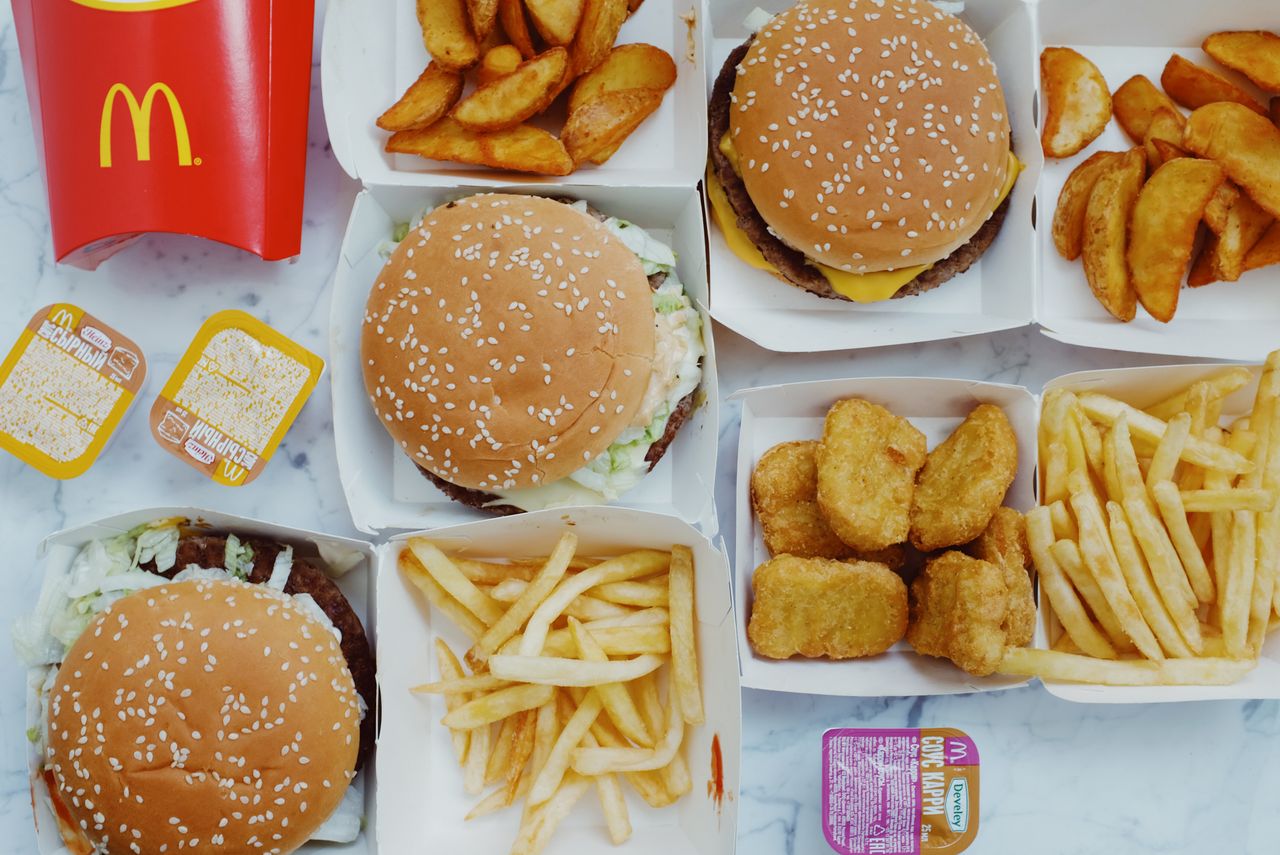
McDonald’s approached the tournament from the opposite direction. Instead of inventing new core flavors, it wrapped familiar menu items in collectible culture and match-day ritual. The company said U.S. customers could order the FIFA World Cup 26 Meal starting June 4, choosing either a Big Mac or 10-piece Chicken McNuggets, with fries, a drink, and limited-edition packaging for Big Mac Sauce. Each meal also came with one of nine collectible cups featuring stars including Christian Pulisic, David Beckham, Ronaldinho, Thierry Henry, Son Heung-Min, Lamine Yamal, Alphonso Davies, Santiago Gimenez, and Grimace.
That is a classic McDonald’s move, and a disciplined one. The chain knows novelty does not always need to happen on the tray. Sometimes the smarter play is preserving the meal people already associate with road trips, youth sports, and post-game stops, then adding a souvenir that makes the purchase feel moment-specific.
The company’s own messaging leaned into that memory loop. Christian Pulisic said his childhood ritual after soccer tournaments was getting McNuggets and a McFlurry at McDonald’s near Hershey, Pennsylvania. That quote matters because it explains the campaign’s emotional logic better than any ad copy could. McDonald’s was not just selling a World Cup meal; it was selling the feeling that some routines survive long enough to become identity.
The Real Story Was How Fast These Brands Turned Flavor Into Memory
What made this taste test unexpectedly effective was not simply that Crumbl was creative or McDonald’s was familiar. It was that both brands understood modern food nostalgia as a commercial language. Crumbl used maximalism, color, and country-coded flavors to create a social-media-ready version of international fandom. McDonald’s used consistency, collectibles, and athlete storytelling to remind customers that fast food often becomes the backdrop for real life before anyone notices.
That contrast explains why the McDonald’s meal hit harder emotionally even if the Crumbl box was more original. Crumbl offered surprise; McDonald’s offered recognition. One asked you to admire invention, while the other asked you to remember who you were when fries in the car felt like the official ending to a long day.
In that sense, the nostalgia trip was not accidental at all. Tournament tie-ins work when they attach themselves to rituals people already have: watch parties, team snacks, family outings, and reward meals after games. Crumbl and McDonald’s took different roads to the same destination. One frosted the moment. The other simply handed it back in a cup and a carton.