
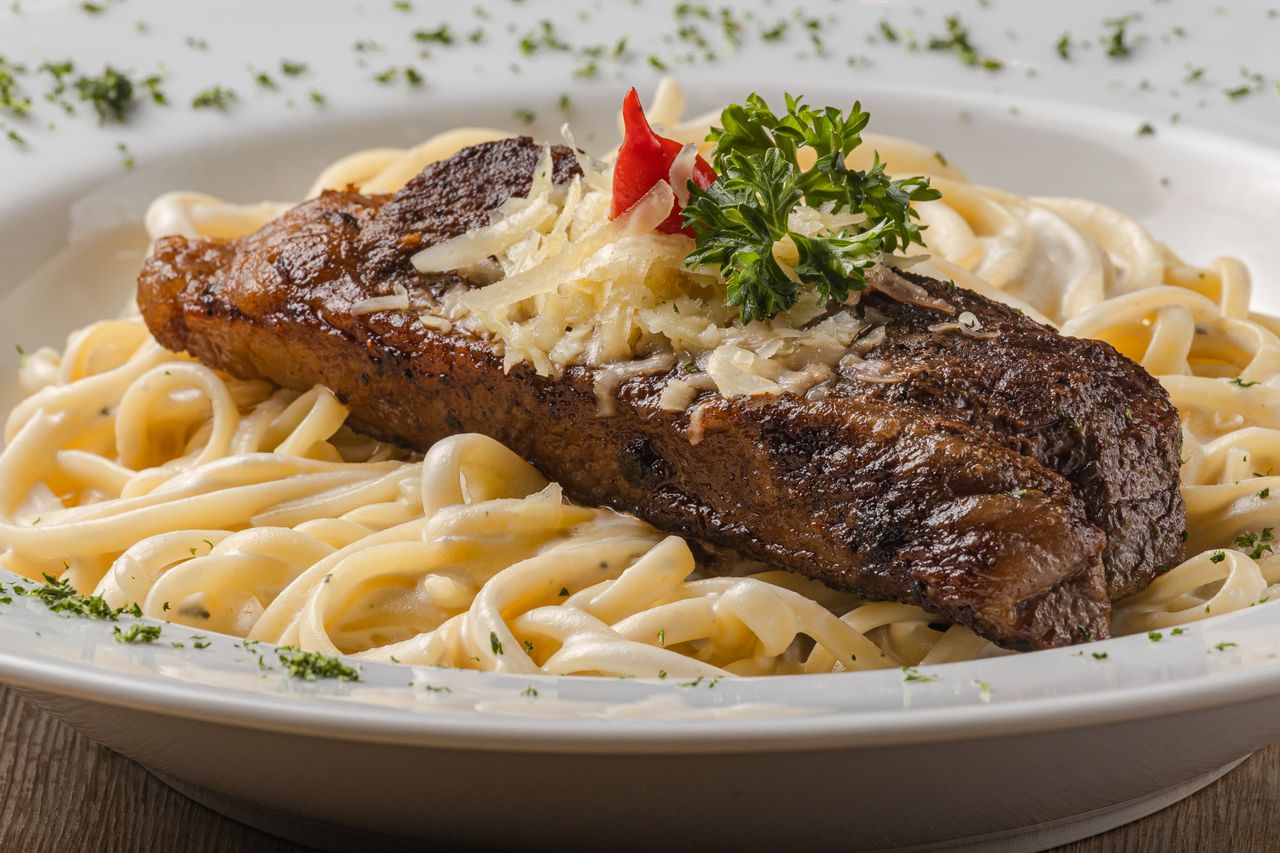
A better home-cooking routine rarely begins with a grand culinary revelation. More often, it starts with one smart grocery decision, one forgiving protein, and one kitchen technique that suddenly makes everything else easier.
That was the case for me. Chicken thighs, inexpensive beef cuts, and a simple pasta adjustment did more than save money — they changed how confidently and consistently I cooked.
Chicken Thighs Make Everyday Meals Harder to Mess Up

Chicken thighs solved a problem that plagues home cooks: dryness. Compared with leaner white meat, dark meat contains more fat, and USDA guidance notes that fat contributes directly to flavor. That extra richness gives thighs a wider margin for error, which matters on busy weeknights when perfect timing is unrealistic.
They also adapt well to multiple cooking methods. Thighs can be roasted, grilled, braised, or seared in a skillet without losing their character. Even when cooked a little past ideal, they tend to remain juicy enough to serve gladly instead of slicing into something chalky and disappointing.
The economics help, too. Bureau of Labor Statistics price data for May 2026 put boneless chicken breast at about $4.17 per pound in the U.S. city average, while chicken legs were about $1.79 per pound. Thigh-specific national pricing is less consistently tracked in the BLS tables, but dark-meat poultry remains one of the most useful value buys in the meat case. For cooks feeding families, that gap changes what lands in the cart each week.
Most importantly, thighs reward seasoning. A little salt, pepper, garlic, paprika, or soy-based marinade penetrates quickly and stands up to high heat. Once I stopped treating chicken as a delicate protein and started treating it as a dependable dinner foundation, my meals became better almost immediately.
Cheap Beef Cuts Taught Me That Time Can Replace Tenderness
Expensive steaks can be magnificent, but they teach the wrong lesson to new cooks: that quality lives mostly in the cut. In reality, cheaper pieces of beef often bring deeper payoff because they force better technique. USDA food guidance is clear that chuck and round are generally less tender and benefit from moist-heat cooking such as braising.
That single fact reframes budget beef. Chuck roast, stew meat, and similar cuts are full of connective tissue that can feel tough at first, but long cooking turns that structure into body and richness. The result is not steakhouse tenderness; it is something arguably better for home cooking — shredded, spoon-soft beef with a built-in sauce.
The price difference is significant enough to matter. In May 2026, BLS data showed boneless beef for stew at about $9.00 per pound and USDA Choice boneless chuck roast at about $9.61, while boneless USDA Choice sirloin steak was about $14.27. That spread makes slow-cooked beef one of the clearest examples of a technique stretching a grocery budget.
Once I embraced this, I stopped chasing quick-cook beef perfection. I started building chili, pot roast, ragù, and braises that improved with patience. Cheap cuts did not feel like a compromise anymore. They felt like ingredients designed for real kitchens, where flavor develops over hours, not minutes.
The Pasta Fix Was Simple: Use Less Water and Respect the Starch
The pasta change was almost embarrassingly small: boil pasta in less water than tradition usually prescribes, then save that cloudier, starchier cooking liquid. The result is better sauce texture, not just better pasta. That water helps bind fat, cheese, and liquid into something glossy rather than separated.
This matters because many home pasta dishes fail at the finish. The noodles may be cooked correctly, but the sauce sits on top instead of clinging. A starch-rich splash of pasta water acts like a bridge, helping butter emulsify, helping grated cheese melt more evenly, and helping tomato or pan sauces coat each strand.
It is also a practical fix, not a fussy one. Less water comes to a boil faster, uses less energy, and creates a more concentrated cooking liquid. In a home kitchen, where weeknight pasta often doubles as a time-saving meal, that tiny shift improves both efficiency and flavor without adding cost.
The larger lesson is what made it transformative. Good cooking is not always about buying better ingredients; often it is about getting more out of ordinary ones. Chicken thighs made dinner more forgiving, cheap beef cuts made patience more delicious, and pasta water taught me that texture is often the difference between decent and excellent. Once those three ideas clicked, home cooking stopped feeling like a chore and started feeling like a craft.