
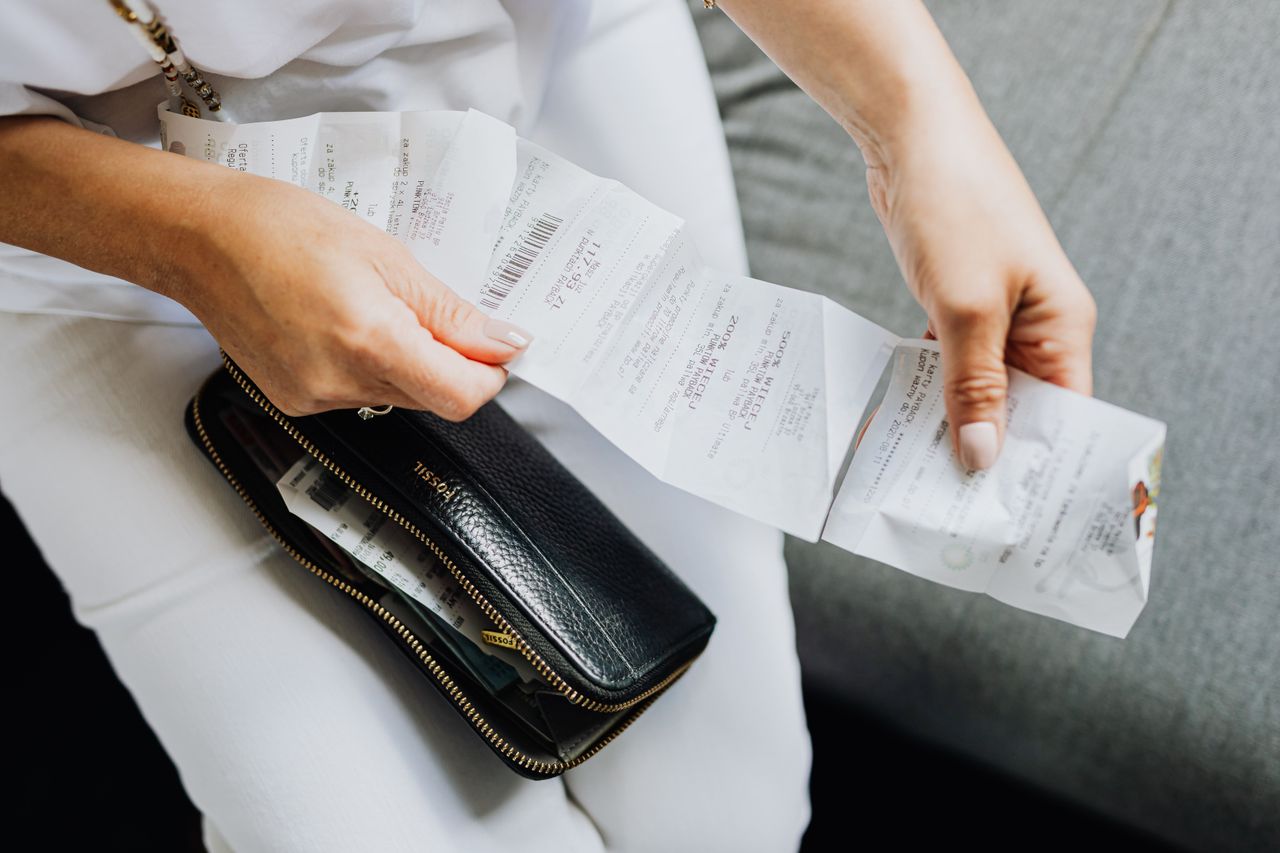
The checkout total has a way of telling the truth before the headlines do. For many shoppers this month, that truth was simple: the bill felt different, and not in a good way.
That feeling now has hard data behind it. Inflation in the United States has accelerated to its highest annual pace in three years, and even though grocery inflation is not the sole driver, food remains one of the most visible places where households experience the squeeze.
Why the Grocery Bill Suddenly Feels Heavier

The broad inflation picture worsened in May 2026. The Consumer Price Index rose 0.5% for the month and 4.2% from a year earlier, according to the Bureau of Labor Statistics, marking the fastest annual inflation rate since April 2023. That matters because shoppers do not experience inflation as an abstract economic indicator. They experience it as a running series of small shocks: a higher cart total, a pricier refill at the gas pump, or the realization that a routine weeknight dinner now costs noticeably more than it did a few months ago.
The important nuance is that groceries are part of this story, but not the entire story. In the same May report, the BLS said food at home rose 0.1% for the month and 2.7% over the prior year. That is still inflation, but it is not surging at the same pace as the headline number. Energy has been a much bigger force in the latest inflation burst, with BLS noting that energy accounted for more than 60% of the monthly all-items increase. In other words, many households are getting hit from multiple directions at once, and the grocery aisle feels worse because it is arriving alongside higher fuel and household costs.
That layered pressure is exactly why consumers often say their grocery bill feels worse than the official averages suggest. Food is a high-frequency expense. People see it every week, sometimes several times a week, and they mentally compare today’s price not with a long statistical series but with what they paid on their last few trips. If chicken breasts, berries, coffee, cereal, and sandwich ingredients are all slightly higher at once, the psychological impact is immediate even when the aggregate monthly number looks modest.
There is also the cumulative effect. Grocery inflation may be cooler than the peaks of the earlier post-pandemic period, but prices are still sitting on top of years of previous increases. That means a family is not evaluating whether food costs rose only a few tenths this month. They are reacting to a price level that has already been reset upward. A fresh inflation spike elsewhere in the economy can make those already-elevated supermarket prices feel newly unbearable.
The Data Says the Pain Is Real, but It Is Uneven
One reason grocery inflation feels confusing is that it is not moving uniformly across the store. Some categories have calmed down, while others are still stubbornly high. The April 2026 CPI report showed food-at-home prices up 0.7% for the month, one of the sharpest monthly grocery increases in years. By May, that pace cooled to 0.1%, suggesting the latest inflation flare-up is not a straight-line grocery blowout. But “cooler” does not mean “cheap,” and it certainly does not mean every shelf is offering relief.
The BLS breakdown shows how uneven the landscape remains. Meat remains one of the most persistent pressure points, and outside analyses of the latest CPI data have noted that meat prices are still running well above year-ago levels even when monthly changes soften. That squares with what shoppers are seeing in the store: steaks, ground beef, deli meats, and other protein-heavy purchases continue to make a routine grocery trip feel expensive very quickly. Fresh produce can also swing sharply, adding volatility that families notice immediately if they are trying to buy healthy basics on a fixed budget.
Regional variation compounds the picture. In the Los Angeles area, for example, BLS data released with the May 2026 regional inflation report showed food-at-home prices up 4.5% over the year. That is materially hotter than the national grocery number. It is a reminder that inflation is experienced locally, not nationally. Transportation costs, labor, rents, market competition, and supply logistics all shape what consumers pay in specific cities, and households in faster-rising metros can feel as though the national story is understating their reality.
Then there is the difference between groceries and dining out. Food away from home has generally been stickier than supermarket inflation because restaurants face labor, rent, insurance, and ingredient pressures simultaneously. So even when some retail food categories stabilize, the total food budget can continue climbing if families are still paying more for takeout, school lunches, coffee runs, or casual dining. For many households, the question is not whether grocery inflation alone is severe. It is whether the overall cost of feeding the family, in all its forms, is still rising. Right now, the answer is yes.
What Is Driving Food Prices Higher Even When Headline Inflation Has Other Causes

The latest national inflation burst is being driven heavily by energy, but food prices do not exist in a separate universe. When fuel rises, food systems feel it almost everywhere. Farms use fuel, processors use energy, refrigerated goods require transportation, and retailers ultimately pass along at least part of those higher logistics costs. Reuters reported that wholesale inflation in May also accelerated sharply, with food prices rising 0.6% at the producer level. That matters because wholesale pressure often arrives at the consumer checkout with a lag.
Beef is one of the clearest examples of a category-specific squeeze. The USDA’s Economic Research Service has warned that beef production is expected to decline in 2026 and that cattle prices are projected to reach new highs because supplies remain limited. USDA’s Food Price Outlook says beef and veal prices are expected to rise 5.5% in 2026, and some industry reporting has highlighted even wider upside risk if supply tightness persists. For shoppers, this translates into burgers, steaks, roast cuts, and even prepared foods that remain expensive despite relief elsewhere in the store.
Beverages are another underappreciated pressure point. USDA has noted that nonalcoholic beverage prices have been rising faster than their long-run average, due in part to higher global coffee prices. That means shoppers can feel inflation not only in headline staples like meat and eggs, but in the quiet everyday purchases that pile up over a month: coffee, juice, bottled drinks, and lunchbox beverages. These are the categories that often escape broad inflation coverage yet meaningfully shape how families experience their weekly total.
Eggs, notably, show the opposite dynamic. USDA’s outlook has projected a sizable decline in average egg prices for 2026 compared with last year, reflecting a reset after prior spikes. That should offer some relief in one highly visible category. But relief in eggs does not cancel out pressure in beef, beverages, bakery items, or sugar-heavy packaged foods. This is why shoppers can hear that one staple is down and still feel convinced inflation is getting worse. In practice, the basket is mixed, and families buy baskets, not isolated items.
Why Consumers Are Changing How They Shop

When inflation becomes persistent, consumer behavior changes in ways that outlast the original shock. That is now visible across grocery shopping. NielsenIQ has reported that consumers entering 2026 remain highly value-conscious, with many shifting spending toward essentials and becoming more willing to trade brand loyalty for savings. In the United States, NIQ has also noted that grocery dollar share is shifting toward mass merchandisers and warehouse clubs, a sign that households are actively hunting for lower per-unit costs and more aggressive promotions.
Other shopper research points in the same direction. Ibotta said in its 2026 State of Spend report that 62% of shoppers now choose price over brand, while defensive strategies such as store switching and deal-seeking have become entrenched. Circana has similarly described a shopper who is relying more on promotions, buying more private-label products, reducing nonessential food purchases, and, in some cases, buying smaller quantities less frequently. These are not temporary coping tricks. They are evidence that inflation has reshaped the way many people define value.
This behavioral shift helps explain why grocery chains and consumer brands face such a delicate environment. Even modest price increases can trigger immediate substitution. A shopper who once bought a premium yogurt, name-brand cereal, or pricier coffee roast may now compare ounce-for-ounce costs, switch to store brand, or skip the item entirely. From a retailer’s perspective, this creates a market where volume can soften even if dollar sales look healthy. For consumers, it produces a shopping trip that feels more strategic, more tiring, and less spontaneous than it used to.
The emotional side matters too. University of Michigan consumer sentiment data showed a dramatic deterioration in May, with high prices repeatedly cited as a top concern. Inflation is not only a budgeting issue; it becomes a confidence issue. When shoppers start second-guessing every cart addition, they are not just responding to arithmetic. They are responding to uncertainty. A grocery trip that once felt routine becomes a weekly reminder that the household budget has less margin for error.
What Shoppers Should Expect Next

The most honest forecast is that grocery inflation is unlikely to move in one clean direction from here. Broad inflation has clearly worsened, and if elevated energy costs persist, food supply chains will remain exposed to another round of pass-through pressure. At the same time, official USDA forecasts still suggest that overall food-at-home inflation in 2026 should be moderate rather than explosive by the standards of the past few years. The problem is that “moderate” at the national level can still feel harsh when prices are already high and key categories remain volatile.
That means shoppers should expect a split-screen reality. Some items may genuinely improve or stabilize. Eggs are a likely relief category, and certain packaged foods may see more promotional activity as retailers compete for budget-strained consumers. But beef, beverages tied to coffee costs, and a range of processed grocery categories could remain stubborn. If gasoline or transportation costs stay elevated, even categories that looked calm in May could reaccelerate later in the summer.
For households, the practical implication is that budgeting will likely matter more than prediction. The days when consumers could assume the cart would cost roughly what it did a few weeks earlier are not fully back. Instead, price awareness, store flexibility, and category substitution remain powerful tools. Warehouse clubs, discount chains, digital coupons, and private label are no longer niche strategies. They have become mainstream responses to a food economy that still asks shoppers to absorb too much uncertainty.
The bigger takeaway is that people were right to trust their instincts. If your grocery bill felt different this month, it was not just in your head. The newest inflation data confirms that the broader cost environment has deteriorated to its worst point in three years, even if grocery inflation itself is more mixed than the headline suggests. And in a household budget, mixed relief often does not feel like relief at all. It feels like standing at the register, watching the total climb, and realizing that inflation never really left the pantry.