
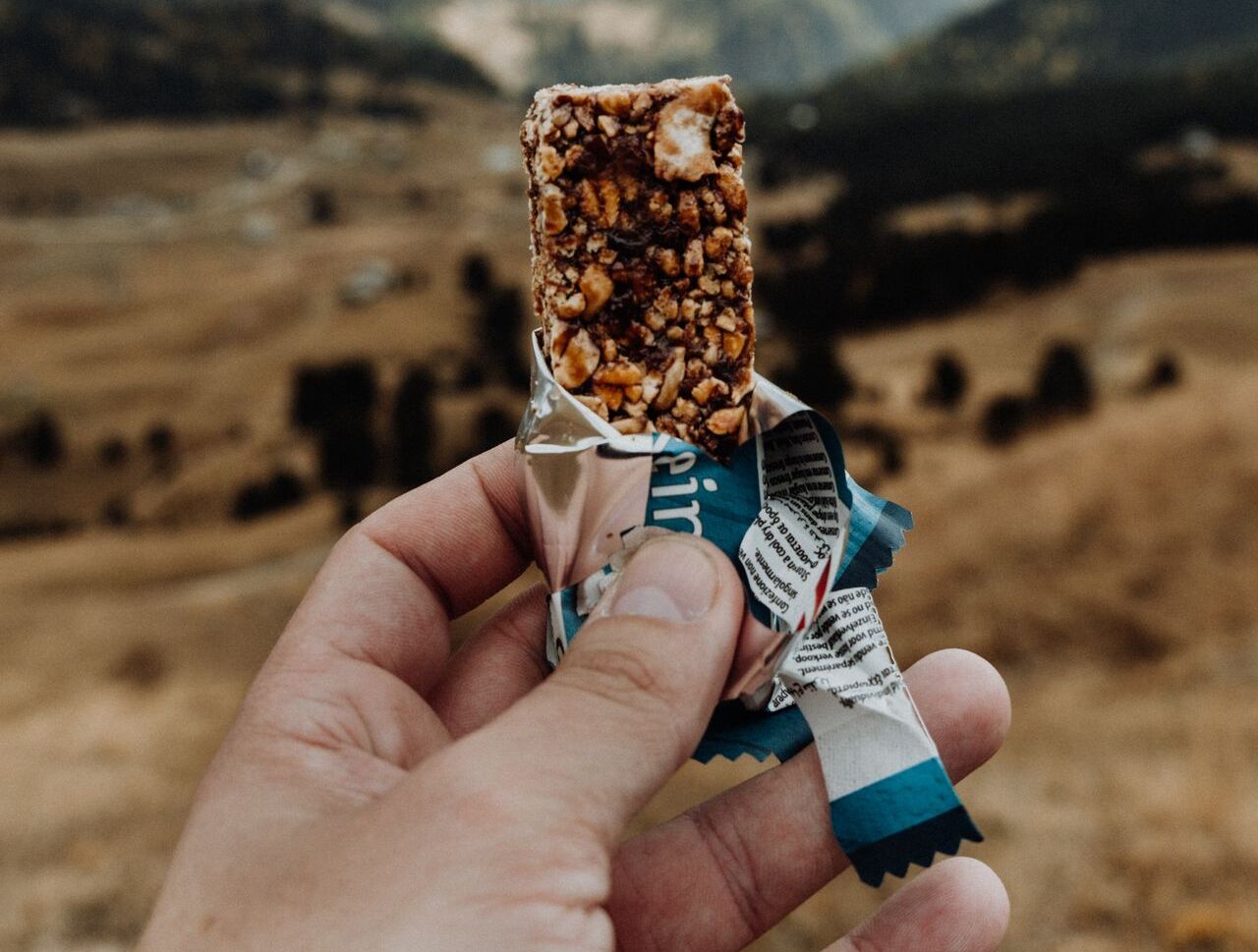
Protein has become one of the most prominent marketing claims in American food retail, showing up across bars, chips, yogurt cups and ready-to-drink shakes. The current boom is especially visible in the snack aisle, where brands are racing to meet demand for portable, higher-protein products. Dietitians say the trend reflects real consumer interest, but they also say a protein label by itself does not make a snack a better choice.
Protein snacks are gaining ground across the U.S. food market
Consumer research shows the shift is not anecdotal. Mintel reported in its 2026 U.S. consumer protein outlook that one-third of U.S. consumers said they cared more about protein intake than they did six months earlier, a change the firm said is fueling growth across snacks, beverages and menu items. IFIC’s 2025 Food and Health Survey also found that “good source of protein” ranked as the top criterion Americans used to define a healthy food.
That broader demand is showing up in snack-specific data as well. Mintel said protein-forward snack innovation remained a major theme in 2025, particularly in bars and other convenient formats. Separate consumer research cited in a 2025 industry report from Cargill found 34% of consumers considered “high in protein” a very important factor when selecting snacks, up 9% from 2020.
Dietitians say the interest makes sense because protein can support fullness and help people bridge long gaps between meals. Harvard Health has advised that high-protein snacks can help slow digestion and promote satiety, while Mayo Clinic guidance says protein-rich snacks can provide energy and help people stay satisfied between meals. That does not mean every protein-branded product offers the same nutritional value.
Dietitians say the label matters more than the front-of-pack claim
Registered dietitians consistently separate the protein trend from product quality. Cleveland Clinic dietitian Beth Czerwony said shoppers choosing snack bars should look for protein and fiber together while avoiding products high in sugar and saturated fat. For snack bars specifically, Cleveland Clinic recommends no more than 2 grams of added sugar or 2 grams of saturated fat per bar when the product is being used as a snack rather than a meal replacement.
Harvard’s Nutrition Source makes a similar point in broader snack guidance. It says satisfying snacks often pair protein with fiber and whole grains, naming foods such as nuts, yogurt and popcorn as examples, while cautioning that many ultra-processed snacks can also bring excess sodium, added sugars and unhealthful fats. Harvard’s public health guidance on jerky likewise notes that the category can be high in sodium, saturated fat and added sugar even when it delivers substantial protein.
That is why dietitians often direct shoppers first to minimally processed foods. Mayo Clinic and Harvard both point to options such as Greek yogurt, cottage cheese, legumes, nuts, tuna and eggs as protein snacks that can fit into a balanced eating pattern. For packaged items, Academy of Nutrition and Dietetics spokesperson Caroline Susie told the Associated Press that shoppers should read the nutrition facts panel for added sugar and sodium, not just protein grams on the front.
What shoppers should expect from the trend now
For consumers, the practical takeaway is that protein snacks are not a fad category anymore. IFIC reports that seven in 10 Americans snack at least once a day, and protein has become one of the strongest signals shoppers associate with health. That combination helps explain why manufacturers keep extending protein claims into more snack categories, from refrigerated dairy to shelf-stable meat snacks and bars.
Dietitians, however, say most healthy adults do not automatically need more protein from specialty products. IFIC’s dietitian-authored guidance notes that baseline needs for many healthy adults can be estimated at 0.8 grams per kilogram of body weight, and Mayo Clinic says many people can meet their needs through regular meals without adding protein shakes or supplements. In other words, the rise in protein branding reflects demand, but not necessarily a universal nutrition gap.
What shoppers should expect next is more choice, not a single dietitian-approved category winner. Expert guidance from Harvard, Mayo Clinic and Cleveland Clinic points in the same direction: a useful protein snack is one that fits the person’s overall diet, includes other nutrients such as fiber, and does not rely on heavy amounts of sugar, sodium or saturated fat to deliver its protein message.
I’ve tried a few platforms this month and this one stands out for its customer support. They helped me out with my bonus instantly. Great job br389win21!
Love how easy it is to access my account. The layout is clean and everything is right where it should be. phswerte999login is my new go-to place.