
Fresh isn’t always the gold standard. In many kitchens, the smartest vegetable buy is the one that was picked at peak ripeness and frozen before it had time to decline.
Chefs have known this for years, especially with vegetables that lose sweetness, texture, or convenience almost as soon as they’re harvested. For seven standouts, frozen can be the more practical and even more flavorful choice.
Why frozen vegetables often outperform fresh
The case for frozen starts with timing. According to USDA and long-cited nutrition research, vegetables destined for freezing are typically processed soon after harvest, which helps preserve nutrients that can fade during transport and storage. A widely cited comparison published in the Journal of Agricultural and Food Chemistry also found that frozen produce can match, and sometimes exceed, the nutrient retention of fresh items that spend several days in the refrigerator.
That matters because “fresh” at the store may already be a week removed from the field. The New York Times recently noted that out-of-season produce often travels long distances and can lose quality before it reaches a home kitchen. Frozen vegetables, by contrast, are usually picked at peak maturity, blanched, and quick-frozen, locking in color and flavor before natural enzymatic breakdown takes over.
Chefs also prize consistency. Bon Appétit has highlighted peas, spinach, and artichokes as vegetables whose flavor and cooking performance hold up especially well in frozen form, while The Washington Post has pointed to corn and cauliflower as freezer staples that save prep time without sacrificing utility. In practical terms, frozen means less trimming, less spoilage, and a reliable ingredient ready whenever dinner needs it.
The 7 vegetables chefs reach for in the freezer aisle
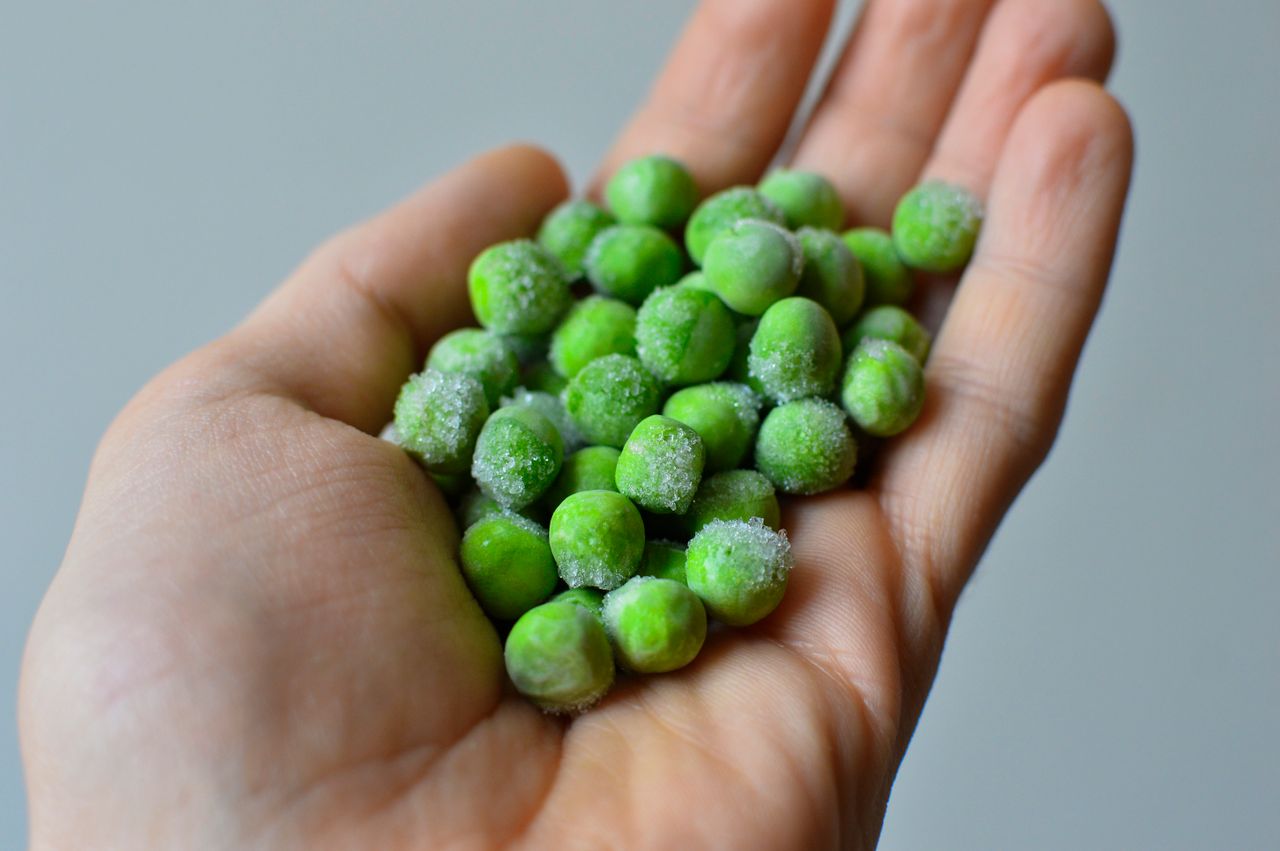
Peas are probably the clearest example. Their sugars convert to starch quickly after harvest, so frozen peas often taste sweeter than “fresh” peas that have sat in transit. Martha Stewart has reported that chefs favor frozen peas because of their short refrigerator life and dependable flavor.
Spinach is another easy win. Once cooked, spinach naturally collapses into a soft texture, so freezing does little harm to how it performs in dips, soups, saag-style dishes, egg bakes, or pasta fillings. The Kitchn has featured chefs who keep frozen spinach on hand specifically because it is fast, portionable, and easy to squeeze dry for recipes.
Corn belongs on the list for the same reason: sweetness and convenience. Off-season corn on the cob can be starchy and expensive, while frozen kernels are harvested ripe and ready for chowders, fried rice, salads, and fritters. Broccoli and cauliflower also make sense frozen when they are headed for roasting, soups, casseroles, mashes, or blended sauces rather than a raw crudité platter.
When frozen is the smarter buy at home
Green beans and artichokes round out the list because they are high-effort vegetables with uneven fresh quality. Frozen green beans skip the washing and trimming, and they work especially well in sautés, casseroles, and sheet-pan dinners. Artichokes may be the most persuasive case of all: buying whole fresh artichokes means paying for leaves, choke, and labor, while frozen hearts deliver the edible part immediately.
There is also an economic argument. USDA economic research has shown that frozen vegetables can be cost-competitive or cheaper per edible serving because there is less waste and a longer shelf life. That makes a real difference for households trying to cook more vegetables without watching half a bunch spoil in the crisper drawer.
The best approach is simple. Buy fresh when texture is the point, as with salads, raw platters, or peak-season produce from a local market. But for peas, spinach, corn, broccoli, cauliflower, green beans, and artichokes, chefs are right: frozen is often the better-performing, lower-waste, and more dependable choice.