
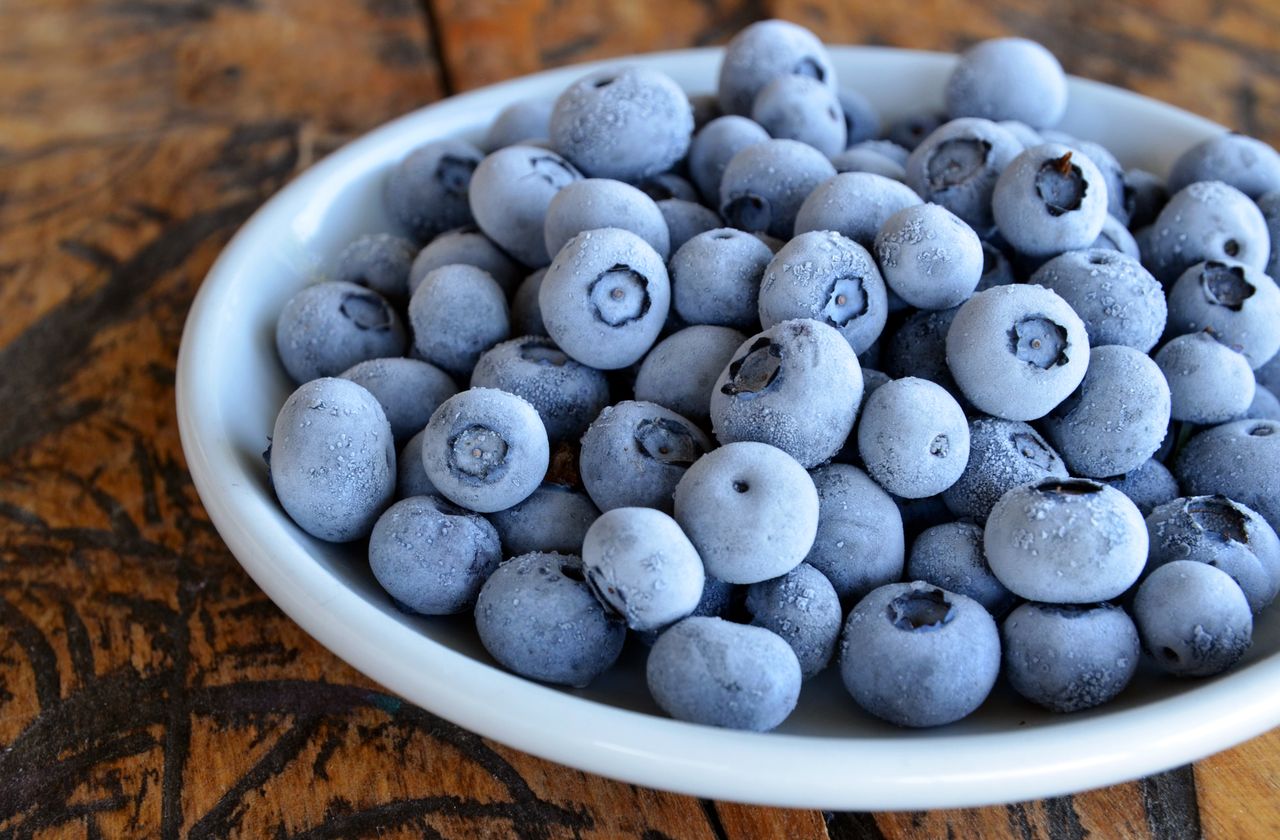
Frozen fruit recalls can move quickly from store freezers to public health alerts because many households keep products for weeks or months. That is the backdrop for a July 2026 recall involving GreenWise frozen blueberries sold through Publix stores in the Southeast.
Frutas y Hortalizas del Sur recalled one lot of GreenWise blueberries
Frutas y Hortalizas del Sur S.A., based in San Carlos, Chile, initiated the recall on July 3, 2026, according to the FDA recall notice and the agency’s outbreak investigation update. The product is GreenWise Organic IQF Frozen Blueberries in 10-ounce packages, with lot code 60401 and a best-by date of February 9, 2028.
The FDA said the recall was tied to possible contamination with Escherichia coli O145:H28, a Shiga toxin-producing E. coli strain. In its July 6 update, the FDA said 12 people in two states had been reported sick, with illnesses beginning between May 11, 2026, and June 5, 2026. Four people were hospitalized, and no deaths had been reported as of that update.
Federal investigators said seven of nine interviewed patients reported eating frozen blueberries, and five specifically identified GreenWise-brand organic frozen blueberries purchased from Publix. The company said no other lot codes or best-by dates are affected by this recall. The source material provided for this article does not list an FDA enforcement recall number or a hazard classification such as Class I, and the agency’s public outbreak page says the investigation remains ongoing.
Distribution reached Alabama, Florida, Georgia, Kentucky, North Carolina, South Carolina, Tennessee, and Virginia
The recalled blueberries were shipped to Publix retail stores in Alabama, Florida, Georgia, Kentucky, North Carolina, South Carolina, Tennessee, and Virginia, according to both the FDA outbreak page and the company’s recall announcement. That is the confirmed eight-state distribution footprint tied to the current advisory.
What is confirmed so far is narrower on illnesses than on distribution. The FDA said reported cases have been identified in Florida and Georgia, with Florida accounting for 11 cases and Georgia for one case on the agency’s map update dated July 6. The company has not released a comprehensive list of affected store locations by city, and the FDA said the blueberries may have been distributed to other retailers beyond the currently confirmed list.
That means shoppers across all eight named states may have purchased the recalled fruit even if no illnesses have been publicly reported in their state. Publix, according to the FDA, immediately conducted an internal stop sale after Florida state partners shared their findings with company headquarters on July 1. The FDA also said retailers that repackaged the berries for individual sale should remove them from the market and not sell them.
Investigators are still working to determine the contamination source
The FDA said it is working with the CDC and state and local partners to determine the source of the contamination. The agency said additional products may be added to the advisory as the investigation continues, which means the current public guidance is limited to the identified GreenWise product, package size, lot code, and best-by date.
For customers, the instructions are specific. The FDA said consumers should not eat, sell, or serve the recalled frozen GreenWise-brand organic blueberries. The product should be thrown away or returned to the place of purchase, and people who froze the berries without the original packaging and cannot identify them should discard them.
The agency also said consumers, restaurants, retailers, and foodservice customers should carefully clean and sanitize any surfaces or containers that touched the recalled blueberries to reduce the risk of cross-contamination. People who ate the product and develop symptoms consistent with E. coli infection, including severe stomach cramps, diarrhea, fever, nausea, or vomiting, should contact a health care provider, according to the FDA. As of July 6, federal investigators said the advisory would be updated as new information becomes available.