
The middle-class grocery cart is under pressure. Shoppers are still buying plenty of food, but they are becoming far less sentimental about which labels earn a place in the basket.
That is bad news for big legacy brands stuck between cheaper store brands and more distinctive premium challengers.
Why middle-class shoppers are abandoning familiar labels
The broad shift is not subtle anymore. McKinsey reported in late 2024 that nearly 75% of U.S. consumers were trading down in some way, and switching to private label accounted for a meaningful share of that behavior. By 2025, the firm said private brands were winning because many large brands were trapped in the middle, without a strong edge on either price or differentiated benefits.
The market data backs that up. According to PLMA using Circana data, U.S. store-brand sales hit a record $282.8 billion in 2025, rising 3.3%, while national brands grew just 1.2%. Unit volume also moved in opposite directions: store brands rose 0.6% to 68.7 billion units, while national-brand units fell 0.6%.
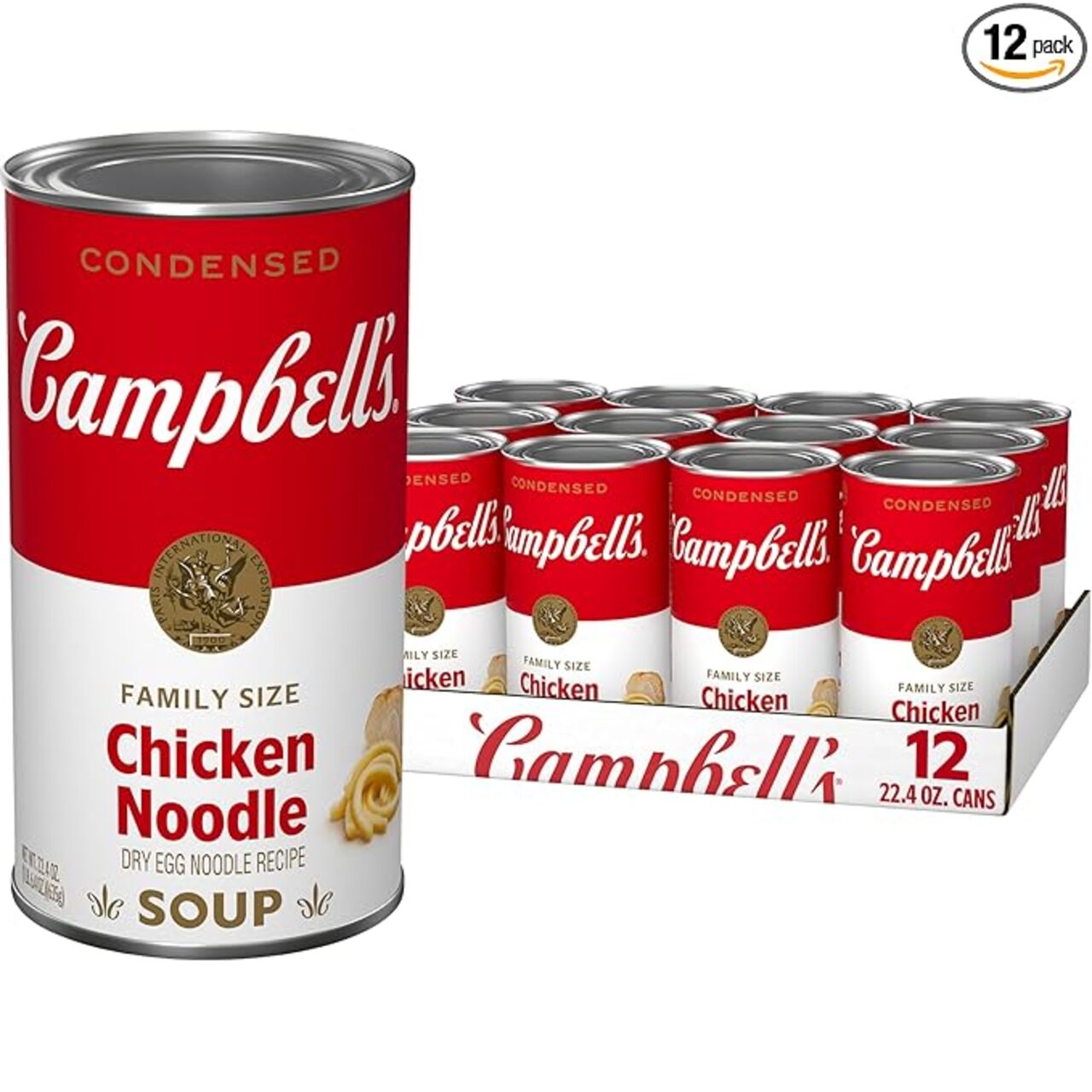
That environment creates the risk that some once-stable names simply fade from regular middle-class rotation. The 10 brands most exposed are Del Monte canned fruit and vegetables, Campbell’s condensed soups, Kraft Singles, Oscar Mayer processed meats, Lunchables, Velveeta, General Mills boxed cereal lines, WK Kellogg cereals, Jell-O desserts, and Conagra’s shelf-stable meal brands such as Chef Boyardee and canned pasta lines. These brands still have recognition, but recognition no longer guarantees repeat purchase when shoppers see a cheaper lookalike beside them.
The 10 brands most at risk of losing middle-class relevance
Del Monte stands out because its challenge is structural, not just cyclical. Reuters and the company said Del Monte Foods filed for Chapter 11 in July 2025 while pursuing a sale, a sign that even iconic pantry brands are not immune when debt, category fatigue, and changing food preferences collide. AP noted that canned-food demand has also been pressured by shoppers seeking either healthier or cheaper alternatives.
Cereal is another flashing warning light. Reuters reported that WK Kellogg cut forecasts after softer demand for higher-priced cereals, while AP described U.S. cereal sales as being in a decades-long decline. That puts household staples like Frosted Flakes, Froot Loops, Corn Flakes, and similar boxed cereals at risk of becoming occasional nostalgia buys rather than weekly essentials.
Then there are the ultra-familiar processed brands that face a double squeeze: price sensitivity and ingredient scrutiny. Kraft Heinz has warned of muted demand, and Reuters said the company lowered forecasts as shoppers pulled back on snacks, ready-to-eat kits, and pantry staples after years of higher prices. That makes Kraft Singles, Oscar Mayer, Lunchables, Velveeta, and Jell-O especially vulnerable, while Campbell’s and Conagra products face similar pressure from private-label soup, pasta, and canned-meal alternatives that now look good enough for families trying to protect the weekly grocery budget.
What vanishing from carts would really look like
Most of these brands are unlikely to disappear outright from stores. What is more plausible is a slower erosion in middle-class relevance: fewer households buying them weekly, more shoppers waiting for promotions, and more shelf space being handed to retailer-owned products or fresher alternatives. McKinsey has described exactly this kind of polarization, where the low end and high end grow faster while the middle loses share.
That matters because middle-class shoppers historically kept many national brands alive through habit. Now habit is weakening. McKinsey found that more than 80% of U.S. consumers rate private-brand food quality the same as or better than national brands, and nearly 90% say private brands offer similar or better value. Once that perception takes hold, it becomes hard for legacy labels to reclaim routine pantry space without deeper innovation or sharper pricing.
So the real prediction is not extinction but displacement. Over the next five years, the brands most likely to vanish from middle-class carts are the ones that feel too expensive to be basic, too ordinary to be special, and too processed to match where household food habits are heading. In modern grocery, shelf presence is not the same thing as basket priority, and that distinction is getting harsher every year.