
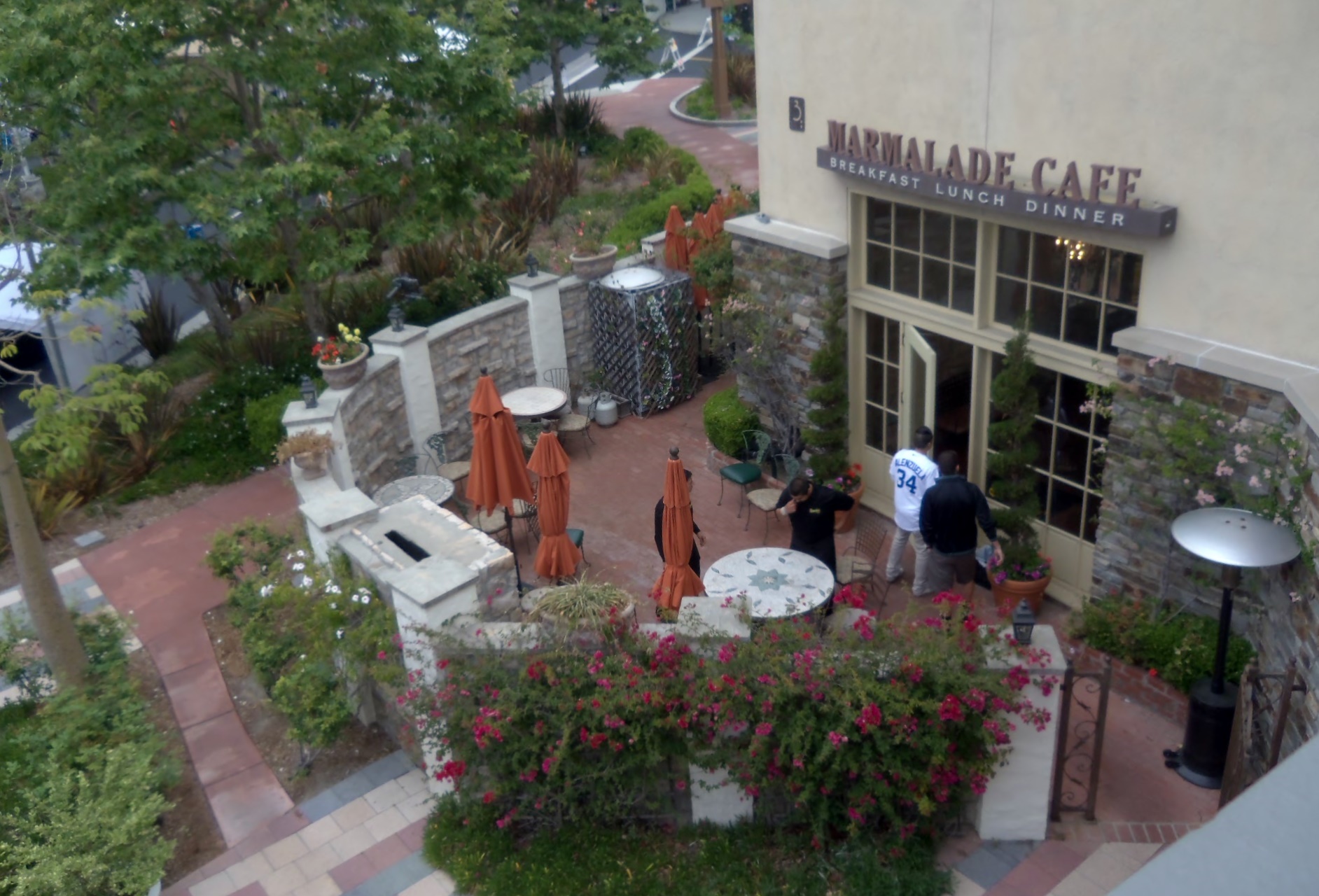
Restaurant bankruptcies have continued to hit regional chains as operators face higher labor, rent, and tax costs across California. In Los Angeles County and nearby communities, Marmalade Cafe has now joined that list after seeking Chapter 11 protection following a summer of location closures. The filing marks a major turn for a brand that has operated in Southern California since 1990.
Marmalade Cafe filed under Subchapter V after shrinking to four locations
Marmalade LLC, the company behind Marmalade Cafe, filed a voluntary Chapter 11 petition under Subchapter V on September 2 in the U.S. Bankruptcy Court for the Central District of California, according to court records and reporting by Nation’s Restaurant News. The filing came after the chain had already been reduced to four operating restaurants. Industry reporting said the company’s largest unsecured creditor is Gilmore Farmers Market, which is owed more than $481,000.
Nation’s Restaurant News also reported that Marmalade owes nearly $350,000 in state taxes. The same report said the chain had seven units at its peak but never expanded beyond Southern California despite receiving an investment from Parallel Investment Partners in 2007. The company did not immediately respond to requests for additional comment, according to that report.
Subchapter V is a part of Chapter 11 designed for smaller business reorganizations, allowing companies to continue operating while restructuring debt under court supervision. In this case, the filing does not mean the remaining Marmalade restaurants have shut down. Social media messaging cited by Nation’s Restaurant News said four Los Angeles-area units remain open during the bankruptcy process.
What the filing means in Los Angeles after Santa Monica and Calabasas closures
The clearest local impact so far is the loss of two Marmalade Cafe restaurants in August: one in Santa Monica and one in Calabasas. Nation’s Restaurant News reported both closures before the bankruptcy filing, and local coverage in Santa Monica and Calabasas separately confirmed the shutdowns. A Calabasas community report said the Commons at Calabasas location served the area for 28 years before its final day on August 2.
That leaves four confirmed Marmalade locations still operating in the Los Angeles region, with reports identifying Malibu, El Segundo, Sherman Oaks, and Westlake Village as the remaining restaurants. For diners, that means the brand has not disappeared from the market, but its footprint is now materially smaller than it was just weeks ago. The company has not released a broader public breakdown of future location plans beyond saying those four units remain open.
What is not yet known is whether any additional Southern California restaurants could close during the court process or whether leases, staffing, or vendor terms will be renegotiated. The company also has not released a comprehensive public statement explaining how the bankruptcy could affect employees or service at each remaining location. For now, the confirmed facts are the filing date, the August closures, and the continued operation of four sites.
The restructuring follows debt pressure and a difficult environment for regional operators
The documents and reporting available so far point first to debt obligations. Nation’s Restaurant News identified substantial unpaid obligations to a landlord creditor and to the state, giving a clearer picture of the financial pressures facing the company. Those balances do not, by themselves, explain every operational decision, but they show the scale of liabilities confronting the chain as it entered Chapter 11.
The broader context is also difficult for California restaurant operators. Across the industry, operators have been managing elevated food costs, wage pressure, occupancy expenses, and uneven customer traffic, especially for full-service concepts that rely on frequent neighborhood dining. Marmalade’s case fits that pattern in broad terms, though the company has not publicly attributed the filing to a single cause.
For customers in Los Angeles, the practical takeaway is that Marmalade Cafe is restructuring rather than liquidating at this stage. The four remaining restaurants are still open, according to the company’s public messaging cited by trade coverage, while the bankruptcy case moves through court. Any larger change to the chain’s footprint, ownership, or operations will likely emerge through future court filings or company statements rather than immediate storewide shutdowns.
Amazing graphics and very responsive controls. It feels like a premium experience on my phone. Get the phokplayapp now.