
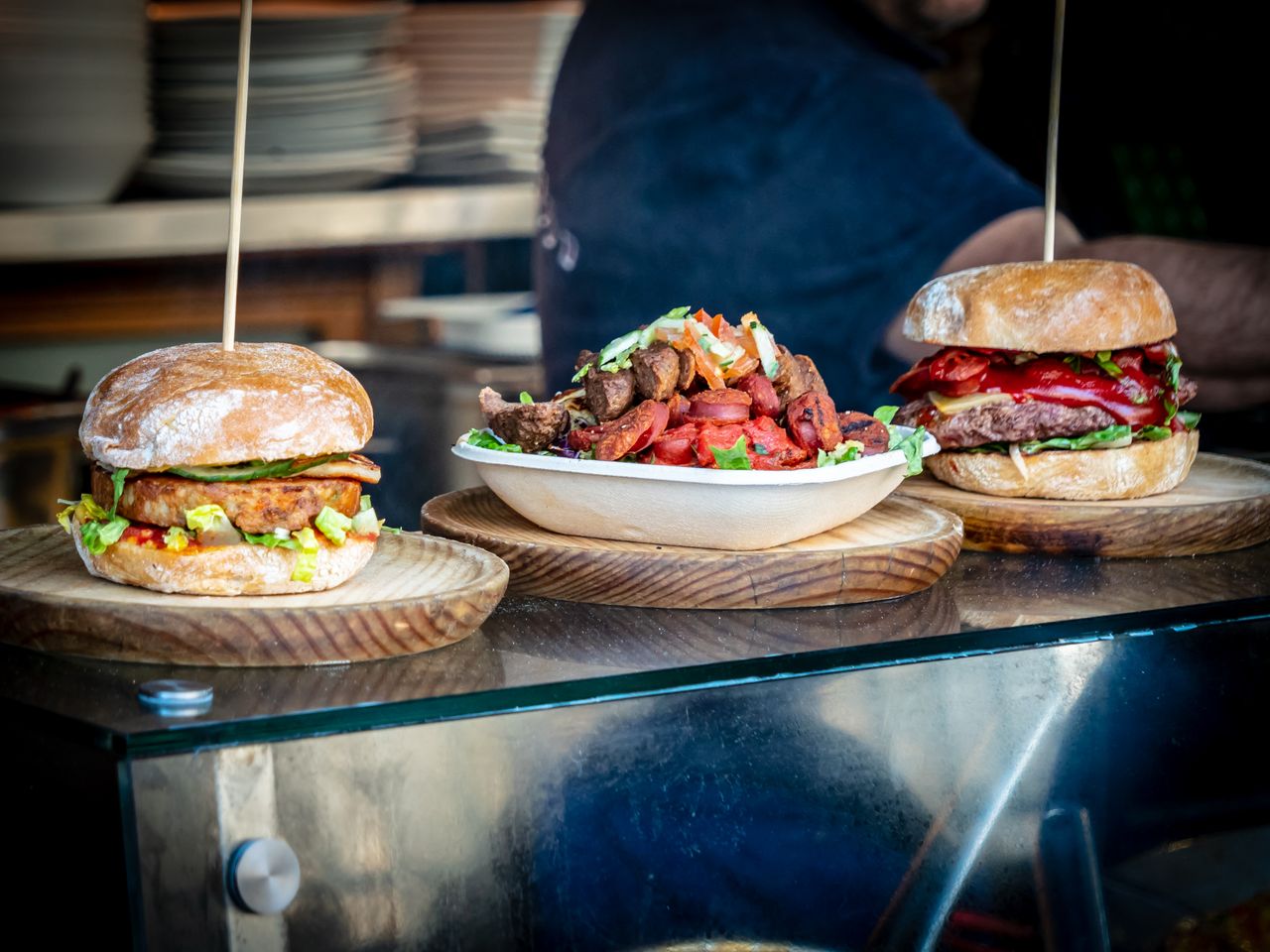
Burger prices are painfully visible because they show up everywhere: grocery stores, fast-food menus, and backyard cookouts. That is exactly why any promise to make beef cheaper lands fast with consumers.
What Trump’s new beef plan actually does
President Trump’s latest beef action is not a broad attempt to lower all beef prices. It temporarily expands the U.S. tariff-rate quota for lean beef trimmings by 300,000 metric tons in 2026, with the added quantity released in three 30-day tranches beginning September 1, according to the Federal Register and White House fact sheets. The administration argues that the extra imported beef should be sold below current market prices and help relieve pressure on ground beef.
That sounds straightforward, but lean beef trimmings are only one part of the burger supply chain. They are commonly blended with fattier domestic beef to make the ground beef sold in stores and used by foodservice operators. So even if importers bring in cheaper lean trimmings, that does not automatically translate into a sharp drop in the retail price consumers see at the meat case or on a drive-thru board.
Reuters reported that economists and traders questioned whether the move would noticeably reduce prices because the import increase is relatively small compared with total U.S. beef consumption. Some countries also have not fully exhausted their existing quota access, which means the practical effect could be smaller than the headline number suggests. In other words, the policy is real, but its reach is narrower than the political message around it.
Why experts say burger prices are still likely to stay high
The biggest reason burger costs remain elevated is that cattle supplies are still tight. USDA’s latest cattle report put the July 1, 2026 inventory at 94.2 million head, with beef cows down 1% from a year earlier, and USDA has repeatedly said tight supplies are limiting production. The White House itself acknowledged that beef output is expected to fall around 4% from 2025 levels.
That supply squeeze has already shown up clearly in consumer prices. USDA’s Food Price Outlook says beef and veal prices in July 2026 were 9.4% higher than a year earlier, and the agency forecasts beef and veal prices will rise 9.8% for 2026 overall. When the underlying herd is small and production is falling, a temporary import adjustment is unlikely to overpower the broader market.
There is also a structural reason burger prices do not move in lockstep with raw cattle or import costs. USDA’s price-spread data notes that food prices are shaped not just by commodity costs, but also by labor, energy, processing, transportation, and distribution. A burger bought at retail or in a restaurant reflects all of those inputs, which means even modest relief on one ingredient can get diluted before it reaches the consumer.
The hidden math behind your burger bill
A burger is not just beef, and even the beef portion is not a simple pass-through from policy to checkout price. USDA previously estimated that a home-prepared 1/4-pound cheeseburger cost $2.40 in May 2025, with ground beef alone making up $1.50 of that total. That makes beef the biggest component, but still not the only one driving what families pay.
At restaurants, the disconnect is even bigger. Menu prices reflect rent, wages, packaging, utilities, franchise fees, and delivery costs alongside food ingredients. USDA’s latest food inflation data shows food-away-from-home prices in July 2026 were up 3.4% from a year earlier, even as month-to-month grocery inflation was flatter. So a cheaper imported trimming blend does not guarantee a cheaper combo meal.
The most likely outcome is modest, uneven relief for certain processors or buyers rather than a clear nationwide drop in burger prices. The administration may succeed in adding some supply to a strained market, especially for ground beef manufacturing. But unless the U.S. herd rebuilds meaningfully and broader production costs ease, experts are right to doubt that most shoppers will suddenly notice cheaper burgers at the store or on the menu.
The slots here are actually paying out. I hit a decent jackpot today and the withdrawal was processed instantly. Cheers to unsur138slot.
Super friendly customer support. They helped me out with my deposit issue in just a few minutes. Five stars for phjili188!