
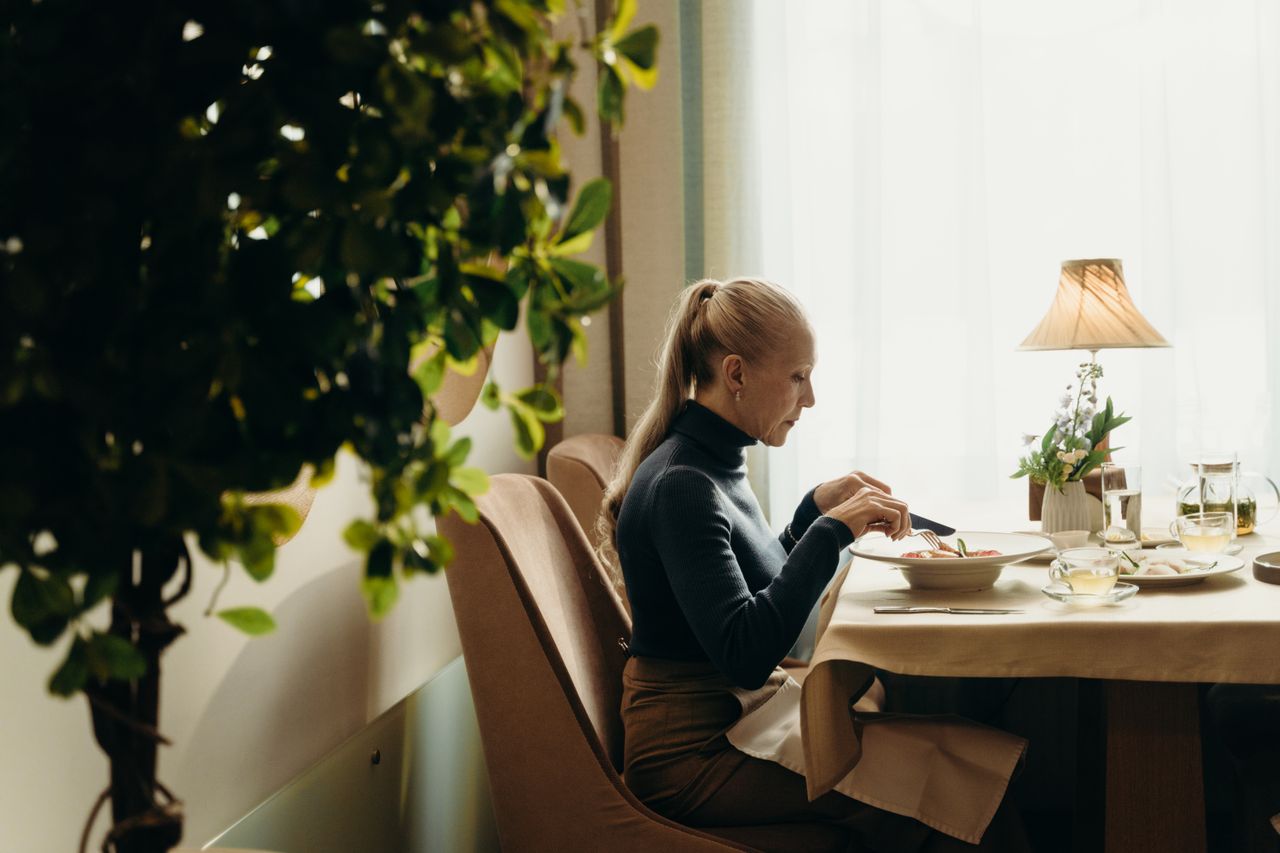
Some table habits never stop dividing diners. But when restaurant professionals weigh in, the answer is often more practical than scolding.
That is exactly what happens with one of the oldest etiquette questions in dining: elbows on the table.
The old rule is real, but modern etiquette is more flexible
For generations, “keep your elbows off the table” was taught as an absolute. The rule became shorthand for good manners, especially in family dining rooms and formal settings. Yet modern etiquette authorities no longer treat it as a blanket ban, and that shift matters because many diners still assume any elbow-on-table moment is automatically rude.
The Emily Post Institute, still one of the most cited authorities on American etiquette, draws a clear distinction between eating and conversing. Its current guidance says it is acceptable to rest your elbows on the table while talking between courses or after the meal is over. What remains discouraged is leaning on the table while actively eating, which can crowd the setting and create a sloppy posture.
That distinction has also been echoed in recent restaurant etiquette coverage. The Pittsburgh Post-Gazette reported that etiquette experts and dining professionals agreed elbows are fine before, between, and after courses. In other words, the modern standard is less about rigid posture and more about whether the habit disrupts the meal or the people around you.
Why restaurant pros tend to agree
Restaurant workers usually view etiquette through the lens of service, comfort, and spatial awareness rather than old-fashioned rulebooks. A habit becomes a problem when it interferes with plates being set down, glasses being refilled, or neighboring diners having enough room. From that perspective, elbows are not offensive by default; poor timing is the real issue.
This is why so many professionals land in the same place. A diner lightly resting forearms or elbows on the table during conversation is rarely creating trouble. A diner sprawling into the tabletop during active service, however, can make a tight two-top feel smaller and force servers to navigate around unnecessary obstacles.
There is also a social dimension. Good restaurant manners are meant to help everyone relax, not create a performance of perfection. The Emily Post Institute frames etiquette broadly as a practice rooted in consideration, respect, and honesty, and that principle explains why pros often sound more reasonable than the myths diners grew up with. The question is not whether an elbow touched the table for a second; it is whether your behavior made the shared experience worse.
The practical rule diners can actually use
If there is a consensus rule that works in real life, it is simple: keep elbows off the table while eating, but do not panic about resting them there while talking. That guideline preserves the spirit of traditional manners without turning dinner into a posture test. It also matches what current etiquette authorities actually say, rather than what many people only half remember from childhood.
This practical version is especially useful because dining today spans everything from tasting menus to neighborhood cafés. In a formal business meal or celebratory dinner, a little extra restraint still signals polish. In a casual restaurant, the same habit may barely register unless it crowds the table, blocks service, or looks careless.
That is why six restaurant pros could all arrive at the same answer without much disagreement: the “no elbows ever” rule is outdated, but timing and awareness still count. The best diners read the room, respect the service flow, and remember that etiquette is supposed to make shared meals smoother. On that point, the experts seem remarkably united. According to Emily Post, elbows during conversation are fine; according to restaurant-minded etiquette advice, the real mistake is confusing comfort with disregard.