
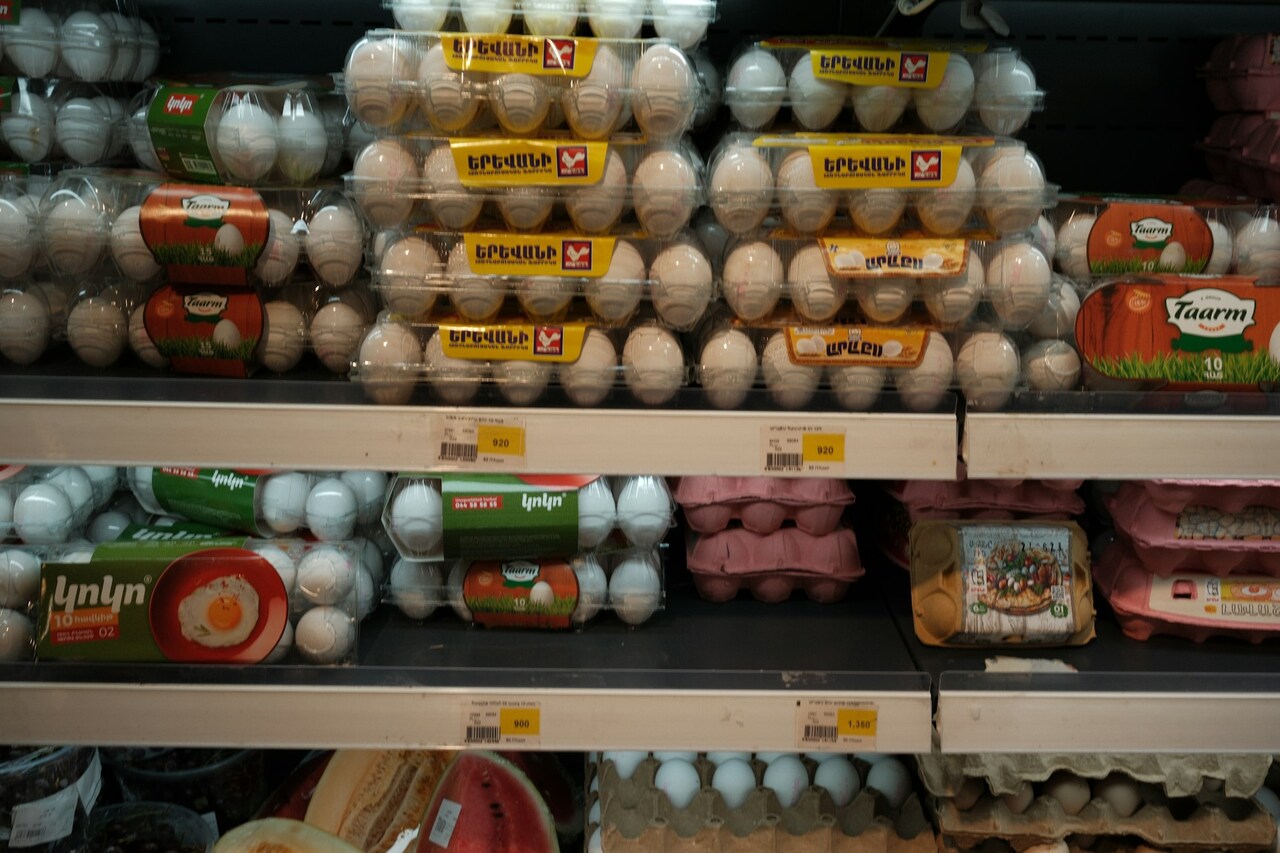
Egg prices are finally moving in a direction shoppers have not seen much of in recent years, down from the extreme highs tied to bird flu and tight supply. The latest federal data shows the average retail price for a dozen Grade A large eggs at $2.32 in October 2026, well below the record $6.23 recorded in March 2025.
What the latest price data shows
The Bureau of Labor Statistics’ October 2026 data points to a much calmer egg case than shoppers faced during the worst of the price spike. In its detailed Consumer Price Index tables, BLS said the eggs index was up 2.9 percent in October from September, but down 1.3 percent over the previous three months and up 0.6 percent over six months. Separate BLS average price data, as published through the St. Louis Fed’s FRED database using the same BLS series, put the U.S. city average for Grade A large eggs at $2.32 per dozen in October 2026.
That is a notable change from 2025, when egg prices became one of the clearest grocery pain points in the country. According to the Associated Press, citing government figures, the average U.S. price hit an all time high of $6.23 per dozen in March 2025. AP also reported that the average price had fallen to $2.50 per dozen by February of this year, signaling that the retreat had already started before the latest October reading.
For shoppers, the biggest takeaway is that eggs are no longer behaving like a constant inflation outlier. Even though month to month movement can still be choppy, the national retail picture now looks far less strained than it did during the peak shortage period. That matters in real kitchens because eggs touch breakfast, lunchbox baking, holiday desserts, and low cost dinners all at once.
Why eggs are cheaper than they were
Federal agriculture analysts have tied the price shift to improving production and a less disruptive disease picture than the market faced a year earlier. In the USDA Economic Research Service Food Price Outlook, the agency said egg prices in September 2026 were 20.6 percent lower than in September 2025. USDA also said it is projecting an increase in egg production in 2026 over 2025.
USDA said there were fewer new detections of highly pathogenic avian influenza in the first quarter of 2026 than in the first quarter of 2025. The agency also said the supply of replacement pullets has been sufficient this year to cover routine flock turnover as well as losses tied to bird flu. That is an important detail because a damaged laying flock cannot be replaced overnight, and recovery in hen numbers tends to shape what shoppers eventually see at the store.
The Associated Press reported earlier this year that the number of egg laying hens in the U.S. reached 315.8 million as of March 1, up 8 percent from the year before. AP also said imports helped boost domestic supplies in 2025, while exports eased. Taken together, those supply side changes help explain why retail prices have cooled so sharply from the March 2025 record.
What home cooks may notice next
The weekly USDA Egg Markets Overview suggests the lower retail environment has not erased short term swings. In the report published November 6, 2026, USDA said the average advertised price for conventional caged eggs at retail grocery stores decreased $0.12 to $1.30 per dozen for that week. At the same time, USDA said wholesale prices for some large shell egg categories moved higher during the week, showing that the market can still shift quickly.
That means shoppers may continue to see uneven shelf prices from one store to another, especially when ads, regional supply, and specialty egg demand differ. Cage free and specialty eggs often follow a different pricing pattern than conventional eggs, and USDA’s weekly report said cage free eggs continued to dominate retail features. So the headline trend is better, but the carton in one shopper’s basket may still cost more than the national average suggests.
For anyone planning holiday baking or stocking up for everyday breakfasts, the broader story is still a welcome one. Federal price and market reports now show eggs far below their 2025 peak, and USDA’s annual outlook points to lower average egg prices in 2026 than in 2025. That does not guarantee perfectly steady prices, but it does mark a clear shift from the steep runup that defined the market not long ago.