
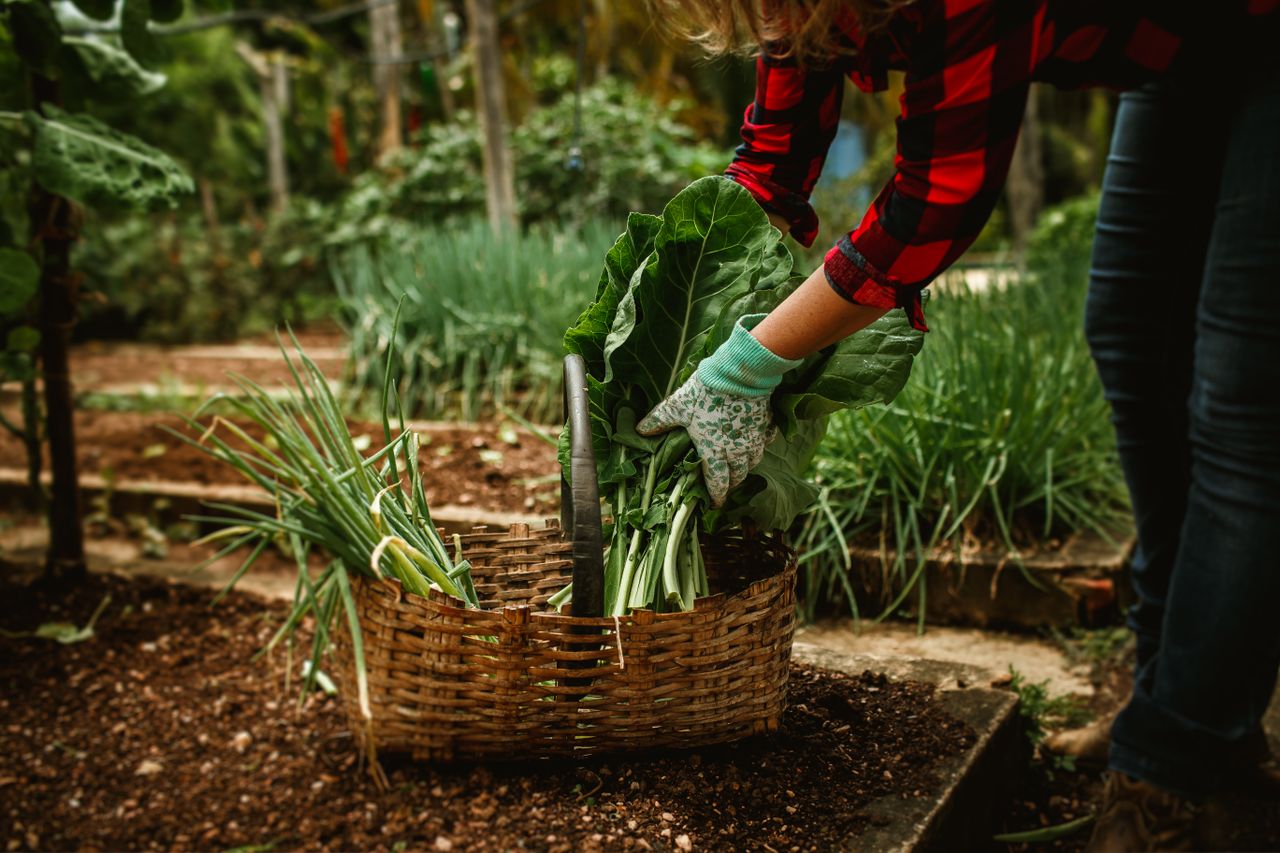
Most backyard gardens repeat the same short list of crops year after year. Yet some of the most useful edibles are still hiding in plain sight, prized by plant collectors, permaculture growers, and regional food historians rather than mainstream gardeners.
What makes these plants so compelling is not novelty alone. Many bring perennial growth, unusual flavors, ornamental appeal, or climate adaptability that can make a home garden more productive and more resilient.
The overlooked edible plants worth knowing
Sea kale, Good King Henry, skirret, sorrel, miner’s lettuce, and garlic chives all deserve wider attention because they blur the line between ornamental and edible gardening. The Royal Horticultural Society describes sea kale as a robust herbaceous perennial with blue-green leaves and white flowers, while Good King Henry is noted as an edible perennial with leaves used much like spinach. That combination of beauty and repeated harvest is exactly why experienced gardeners value them.
Skirret is another rediscovered crop with deep roots in European kitchen gardens. UF/IFAS describes it as a sweet-rooted perennial in the carrot family, grown for white roots that are typically boiled, stewed, or roasted. Sorrel earns its place for a different reason: its lemony bite wakes up soups, sauces, and salads when lettuce feels flat. Miner’s lettuce, documented by the USDA Forest Service as edible raw or cooked, is especially valuable as an early-season green and a good source of vitamin C.
Then there are the plants that act like flavor insurance in the garden. Garlic chives produce edible leaves and flowers with a gentler garlic-onion note than bulb garlic, and they fit easily into borders, herb beds, and containers. Daylily also appears on many adventurous edible lists, but it needs caution: Iowa State Extension notes that young foliage, buds, and flowers can be eaten only from unsprayed plants and only when the plant is correctly identified. That distinction matters more than novelty ever will.
The tubers and roots that can outproduce familiar vegetables
If most gardeners experimented with unusual roots just once, sunchokes, groundnut, oca, mashua, yacon, and crosnes might become staples. Jerusalem artichokes, also called sunchokes, produce crisp, nutty tubers, but extension sources warn they spread aggressively. North Carolina Cooperative Extension notes they can form colonies, and gardeners who leave even small tubers behind should expect a vigorous return.
Groundnut, or Apios americana, offers a very different habit. North Carolina Extension describes it as a native perennial vine with large edible tubers, making it attractive to gardeners who want food crops that also climb and flower. Oca, identified by the RHS as a sprawling perennial with edible fleshy tubers, brings color and novelty as well as yield. Mashua, another Andean crop highlighted by the RHS, is grown for edible tubers with a peppery flavor that mellows after cooking.
Yacon may be the most commercially intriguing of the group. UF/IFAS identifies it as a tuberous root crop native to the Andean region of South America, with sweet roots often compared to apples and pears. Crosnes, also sold as Chinese artichokes, add a delicate, knobby tuber prized by chefs. Together, these plants show that the future of the backyard garden may look less like a standard vegetable row and more like a living pantry of diverse underground crops.
The safety lessons and smart planting strategies gardeners should not ignore
Unusual edibles reward curiosity, but they also punish carelessness. Camas is the clearest example. While edible camas has a long history as a traditional food, USDA and Oregon State University materials warn that poisonous death camas can be mistaken for it, and OSU notes that human poisonings have been reported from mistaken identification. In practical terms, that means camas is not a beginner foraging or casual bulb-sharing plant.
Prickly pear is safer but still calls for informed handling. Its fruits and pads are edible when properly prepared, yet the spines and tiny glochids require careful removal before the plant reaches the kitchen. Even familiar-looking plants can have limits. Daylily must be pesticide-free and correctly identified, and gardeners should remember that “edible” does not mean every part of every plant is safe in every condition.
The real promise of these 15 plants is strategic, not trendy. A backyard that includes perennial greens, climbing native tubers, drought-tolerant succulents, and cool-season salad plants spreads harvests across more months and reduces dependence on one or two fragile crops. For gardeners willing to learn the plants well, these underused edibles can genuinely change both the flavor and function of the home landscape.