
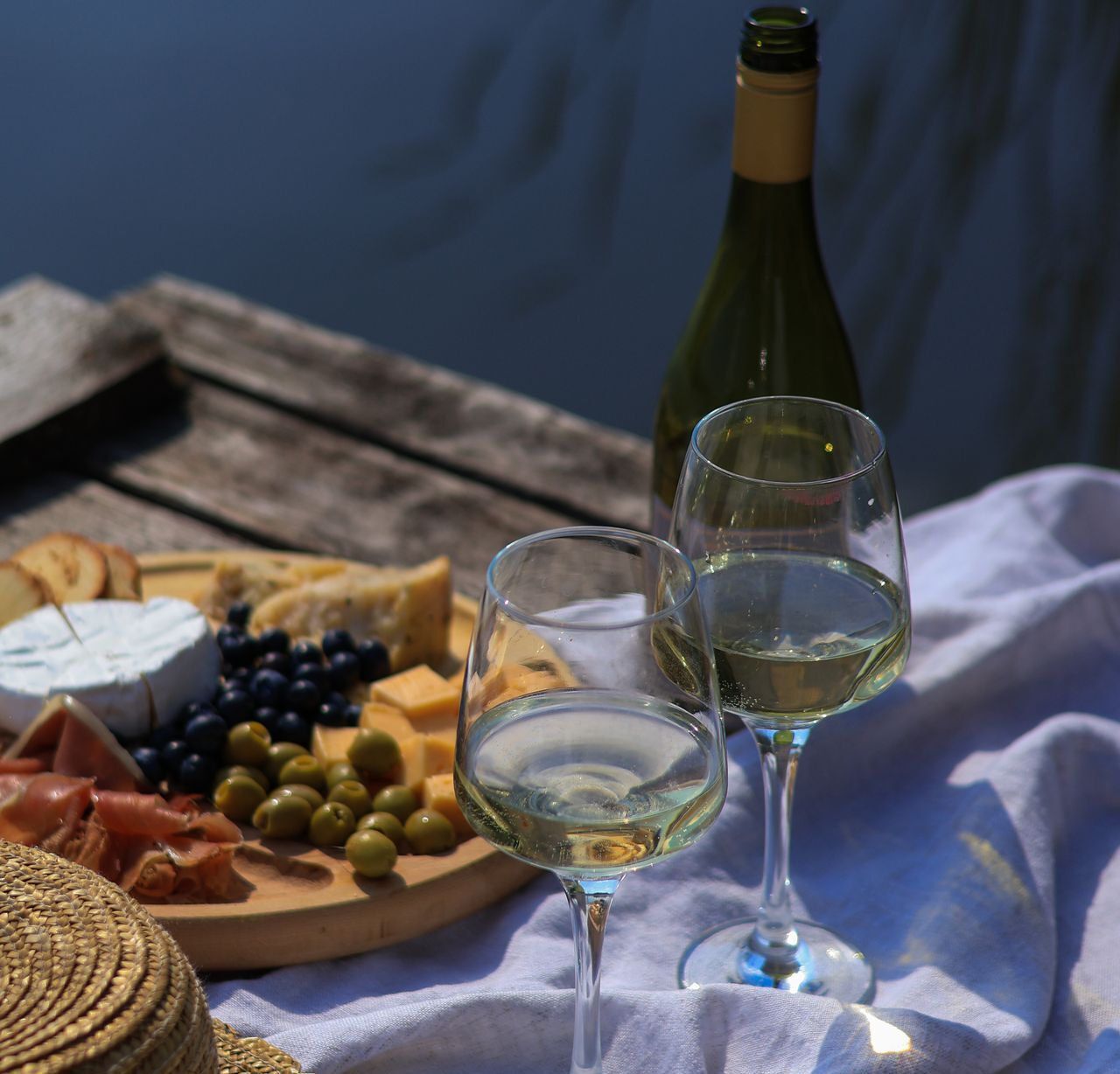
Time travel may never happen, but food is one of the best ways to imagine it. A single loaf, cup, or ferment can reveal what people prized, traded, celebrated, and survived on.
Bread and beer: the original power pair
If you could make only one prehistoric food stop, bread belongs near the top of the list. Archaeologists working at Shubayqa 1 in northeastern Jordan found charred bread-like remains dated to roughly 14,400 years ago, making them older than the rise of formal agriculture. Nature reported that the find suggested people were grinding wild cereals and roots into something recognizably bread long before farming locked wheat and barley into daily life.
Beer is just as tempting, especially because ancient versions were often closer to nourishing grain porridge than to a modern pint. Research published in PNAS identified residue from a roughly 5,000-year-old Chinese beer recipe, with evidence of broomcorn millet, barley, Job’s tears, and tubers. That matters because it shows brewing was already technically sophisticated, involving starch conversion and carefully handled ingredients rather than simple accidental fermentation.
Together, bread and beer hint at one of the oldest culinary partnerships in human history. Nature has noted that both foods were central to early societies because grains could be stored, processed, shared, and ritualized. In a time-travel scenario, tasting them fresh from an ancient hearth or vat would not just be about flavor. It would be a direct encounter with the technologies that helped turn mobile foragers into settled communities.
Cheese and wine: fermentation before fashion
Ancient cheese may be the strongest case for culinary time tourism because it captures both ingenuity and risk management. Penn State researchers reported evidence of cheese-making on the Dalmatian Coast from about 7,200 years ago, identified through chemical analysis of pottery residues. Fermenting milk into cheese or related dairy foods would have made calories easier to preserve, transport, and digest, especially for early farming communities dealing with seasonal uncertainty.
The story became even more vivid in 2024, when researchers analyzing remarkably preserved cheese from Bronze Age mummies in China’s Tarim Basin helped clarify how some of the world’s oldest surviving cheese was made. National Geographic reported that the samples, around 3,500 years old, were kefir-style cheeses made from cow and goat milk. That gives modern readers something unusually concrete: not just evidence of dairy processing, but a preserved edible object with a microbial backstory.
Wine belongs in the same dream itinerary because the archaeological record is unusually strong. A PNAS study found chemical evidence of grape wine in pottery from Georgia dated to about 6,000–5,800 BC, supporting an 8,000-year-old winemaking tradition. National Geographic described the discovery as the oldest known evidence of grape wine, a reminder that long before luxury branding, wine was already a technological, agricultural, and social achievement.
Garum and cacao: bold flavors that outlived empires
No ancient tasting list is complete without garum, the fermented fish sauce that powered Roman cooking. Archaeological and chemical work from Pompeii has shown that garum was not a fringe condiment but a commercial staple, with producers such as Aulus Umbricius Scaurus building reputations around quality. Scholars writing about Roman diet have emphasized its intense umami profile, while newer DNA-based research covered by Nature has even helped identify the fish used in some ancient sauces.
To a modern palate, garum might sound punishingly strong, but that is exactly why it would be worth the trip. Fermented fish sauces still anchor cuisines across Asia today, which makes garum feel less alien than its reputation suggests. Taste it in a Roman kitchen and you would likely recognize the logic immediately: salt, depth, savoriness, and a flavor system designed to make grains, vegetables, and meats come alive.
Then there is cacao, the ancient luxury that still rules desserts and drinks. A landmark residue study showed cacao consumption among the earliest Maya by at least 600 BC, while later vessel analyses from the Maya region strengthened the evidence that cacao circulated widely in elite and ceremonial life. Unlike modern candy-bar chocolate, ancient cacao was often prepared as a drink with bitterness, spice, and status built into the cup. If time travel ever becomes real, that may be the most revealing sip of all.
I just like the helpful information you provide in your articles