
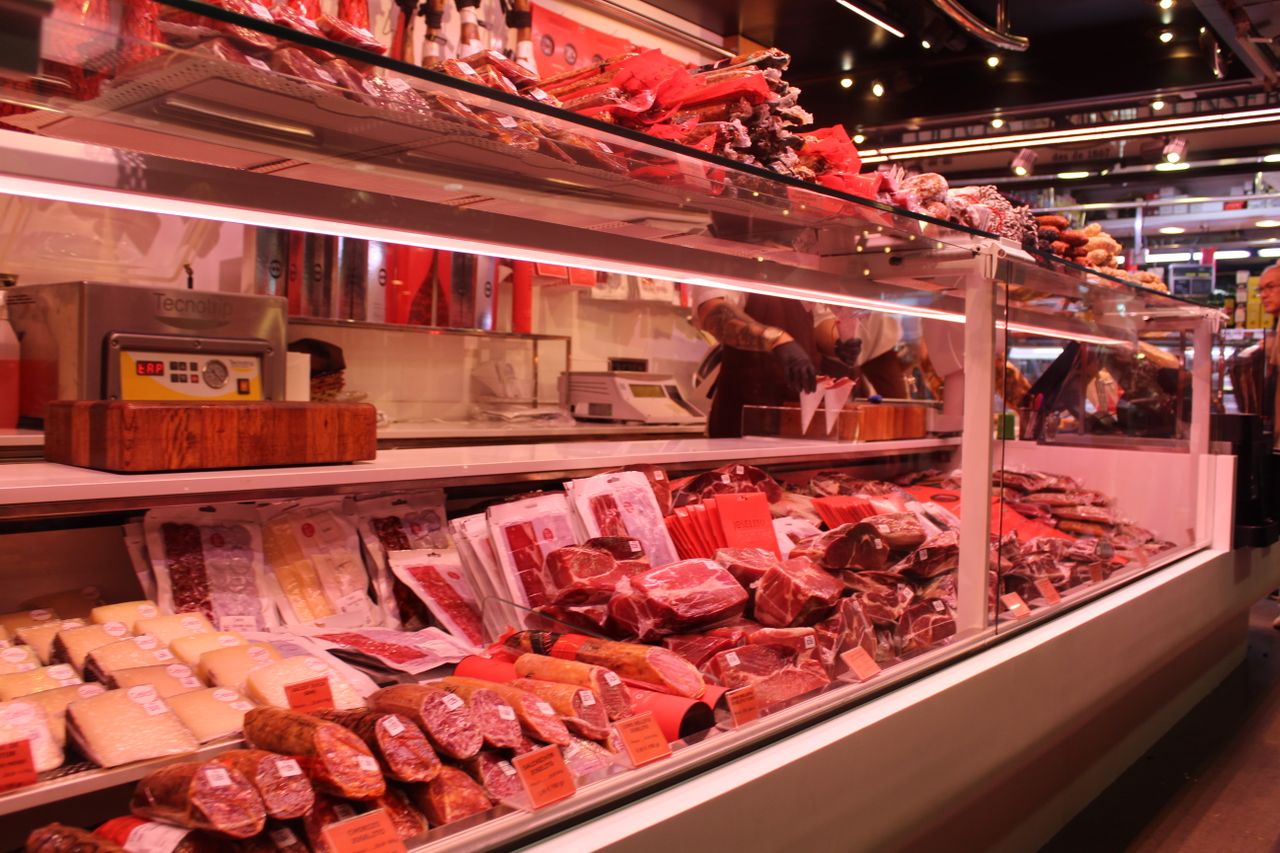
Shoppers may be seeing calmer inflation headlines, but the relief is uneven. Beef is still one of the most expensive trouble spots in the supermarket, and restaurant menus are continuing to climb almost in parallel.
That combination matters because it leaves consumers with fewer easy trade-down options. When both the meat case and the dinner check feel elevated, food inflation becomes harder to escape.
Why beef keeps punching above its weight in the grocery aisle
Overall grocery inflation has moderated, but beef still has an outsized effect on how people experience food prices. The latest Consumer Price Index showed food at home up 2.2% over the 12 months ending in August 2026, yet beef has remained one of the categories consumers notice first because it carries a high sticker price and shows up in so many weekly meals. Ground beef, steaks, and roasts shape perceptions of value in a way cereal or canned goods often do not.
The deeper issue is supply. USDA data showed 28.5 million beef cows in the United States as of July 1, 2026, down 1% from a year earlier, and federal and regional analysts have continued to describe cattle supplies and fed slaughter levels as historically tight. The Kansas City Fed has warned that high costs and uncertainty are likely to keep inventories low and beef prices elevated for some time.
That supply squeeze has been years in the making. Drought, expensive feed, and high operating costs pushed ranchers to reduce herds, and rebuilding takes time because cattle production is not something producers can ramp back up quickly. Even when monthly retail prices ease, the underlying structure of the market remains tight enough to keep beef feeling expensive for families trying to hold the line on grocery budgets.
Why restaurant prices are still rising even when grocery inflation cools
Restaurants are dealing with the same protein pressures, but they also have to absorb labor, rent, utilities, insurance, and packaging. That is why menu inflation has stayed firm even as some grocery categories have settled down. According to the Bureau of Labor Statistics, the food away from home index rose 0.3% in August 2026, while the National Restaurant Association said full-service menu prices were up 3.5% from a year earlier and limited-service prices were up 3.2%.
Beef-heavy restaurants are especially exposed. Burger chains, steakhouse operators, and neighborhood diners cannot simply remove a core protein without changing what customers expect from the brand. Some operators respond with smaller portions, more blended menu engineering, or steeper prices on premium cuts while holding the line on entry-level items.
Consumers still feel the result as a broad increase in the cost of convenience. Even if a household decides to skip pricey steaks at the grocery store, the fallback of grabbing burgers, tacos, or a casual dinner out may not deliver much savings. That is why restaurant inflation is not just a separate problem from grocery inflation; it reinforces the same budget strain from a different angle.
What it means for households and what to watch next
For consumers, beef’s importance is psychological as well as financial. A pound of ground beef has become a kind of shorthand for whether the weekly shop feels manageable. Reporting from the Associated Press this summer highlighted that ground beef reached $6.82 per pound in June 2026, roughly 79% higher than at the beginning of 2019, a vivid example of why shoppers continue to feel squeezed even when aggregate inflation numbers appear calmer.
There are signs of some short-term easing. USDA’s Food Price Outlook noted that wholesale beef prices fell from June to July 2026, and the August CPI report showed beef and veal down on the month. But year-over-year wholesale beef prices were still running well above last year, which suggests any consumer relief may be gradual rather than dramatic.
The bigger question is whether herd rebuilding finally gains momentum. If cattle numbers remain constrained, beef is likely to keep acting as a stubborn pressure point in both supermarkets and restaurants. For households, that means food budgeting may still depend less on headline inflation and more on where they sit in the meat aisle and how often they rely on someone else to cook dinner.