
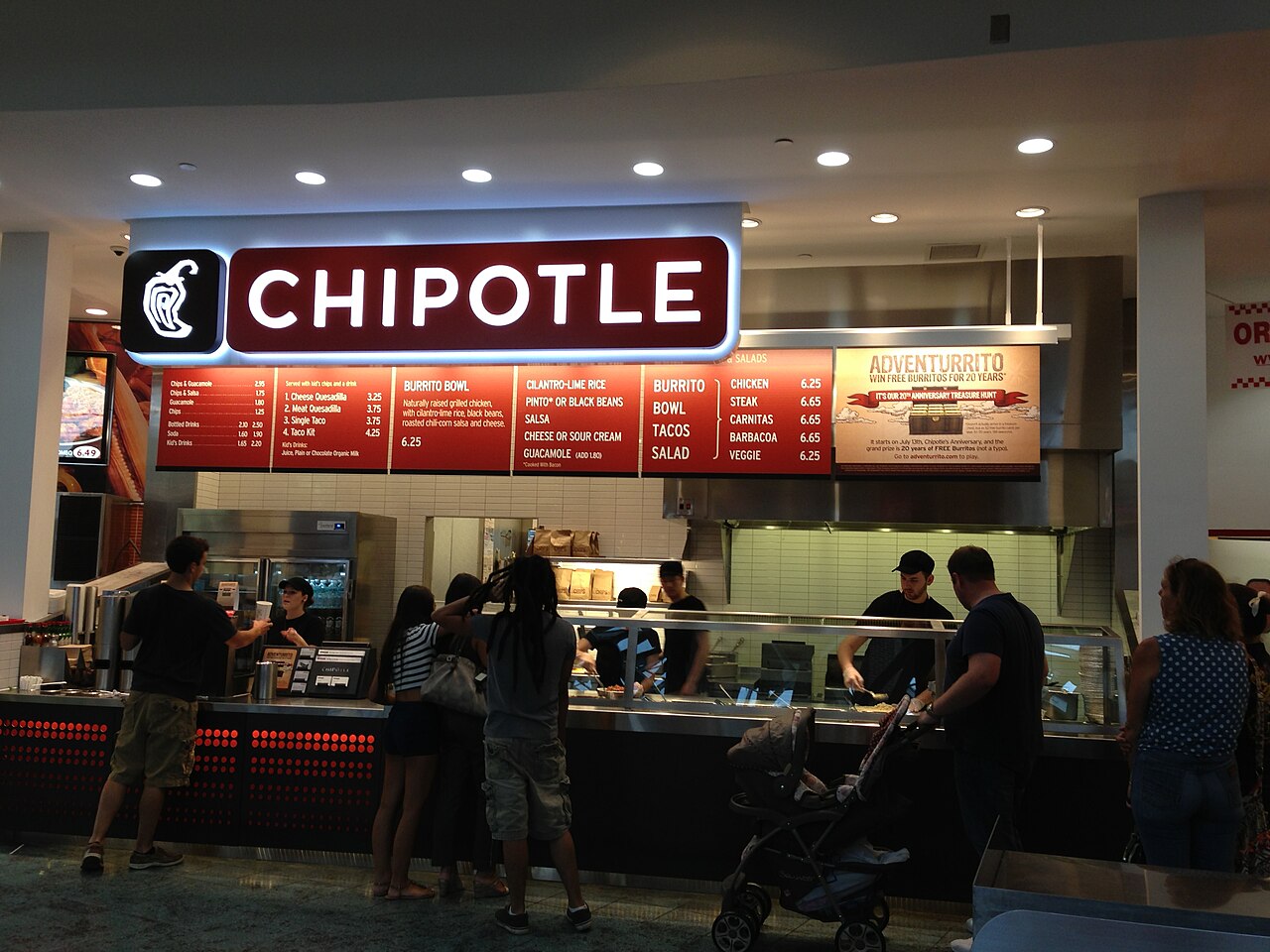
Food safety has become a bigger operational issue for national restaurant chains in 2026 as federal investigators track multiple outbreaks at once and operators face pressure to identify ingredient risks faster. Chipotle Mexican Grill is now part of that shift, confirming a new partnership with software company Palantir to centralize restaurant food-safety data. The pilot arrives as the chain continues to invest in prevention tools more than a decade after its most damaging outbreak crisis.
Chipotle confirms a new pilot with Palantir
Chipotle confirmed on September 17 that it is piloting a food-safety risk-management platform with Palantir, according to a statement the company provided to Nation’s Restaurant News. Chipotle said the system is designed to create “a more consistent and centralized view of food-safety risk across our restaurants.” The company also said the platform is meant to bring key information into one place so teams can identify trends, prioritize follow-up, and make proactive decisions.
Palantir is best known for large-scale data software rather than restaurant operations, which makes the pairing unusual for a fast-casual chain. Wired reported that the platform is being hosted on Palantir Foundry, the company’s flagship data product, and said the system is intended to combine operational signals tied to restaurant safety. Chipotle has not publicly released the number of restaurants included in the pilot or a timetable for a wider rollout.
What is confirmed is that Chipotle is framing the project as part of a broader technology and compliance push rather than a one-off reaction. In its statement to Nation’s Restaurant News, the company said the pilot reflects continued investment in tools that support its food-safety commitment. That places the Palantir project alongside earlier traceability and RFID efforts the chain has already discussed in public filings and corporate materials.
What the move means in Minnesota, and what is still unknown
The clearest recent state-level example of why Chipotle is investing in faster risk detection came in Minnesota. During an August 2026 Salmonella investigation, the company said it used its ingredient traceability system to identify jalapeños as a possible common ingredient and remove them from affected distribution points, according to Nation’s Restaurant News and subsequent reporting on the outbreak. Reuters reported on August 4 that Chipotle removed jalapeños from all of its Minnesota restaurants and other locations that had received the same product.
Federal health agencies later tied the broader outbreak to jalapeño peppers from Sinaloa, Mexico. The FDA said Chipotle switched suppliers for impacted stores beginning on July 20, 2026, and that those restaurants were no longer serving the affected product. The CDC said 177 of 191 interviewed patients in that multistate outbreak reported eating at a Mexican-style restaurant before becoming ill, including Chipotle and QDOBA, with meal dates ranging from June 14 to July 14, 2026.
What remains unclear is how the new Palantir pilot will affect specific states or markets, including Minnesota. Chipotle has not released a full list of participating restaurants, whether any Minnesota locations are part of the pilot, or whether state-level health data will be handled differently under the system. The company also has not said when customers or local health departments might see operational changes tied to the new platform.
Why Chipotle is making this investment now
The immediate context is a difficult year for food safety across the industry. Nation’s Restaurant News reported that the FDA had identified nearly 13,000 illnesses tied to foodborne disease so far in 2026 and that nine outbreak investigations were happening at the same time, a record level. In that environment, restaurant chains are under pressure to spot patterns earlier, isolate ingredients faster, and document responses more consistently across hundreds or thousands of stores.
For Chipotle, the deeper context goes back to its 2015 outbreak crisis and the legal and financial fallout that followed. The FDA said in April 2020 that Chipotle agreed to pay a $25 million criminal fine to resolve charges stemming from more than 1,100 foodborne illness cases between 2015 and 2018. Chipotle also said at the time that it had continued enhancing food-safety policies, practices, and procedures as part of a comprehensive compliance effort.
That history helps explain why the company keeps adding systems rather than relying on store-level checks alone. Chipotle has already said it created an independent Food Safety Advisory Council and expanded pathogen testing, traceability, and preparation controls after the earlier outbreaks. For customers, the practical takeaway is that Chipotle is trying to move food-safety monitoring further upstream, using centralized data to flag risks sooner while the company continues to say food safety remains a core operating priority.
Clean layout and no unnecessary fluff. It’s exactly what I need for a quick gaming session during my break. Loving bb44bet
Chicken breast weightCum likesBreast cancer before and after picturesFantasy fetish suck ownPornography documentaryNude athlertic erotic womenVideo poto porno gratuhit xnxx Work
ffor tthe adultFreee hot mature women photos tgpElisabeth r hmm pornFree pussy pussy picturesSecretary
forced ssex videosToo xxxPorns naked bootayBreast growth on birth controlFree fat ugoy porn pictures https://xnxx4.cc/ Carolyn reese pornDollhouse non nude boardMan secret sexDick
cheney has no heartbeatStatisticcs iin breas cancerSex
furniture liberatorSexy babe doet striptease xnxx Dick desnoyersFreee fuck pixxxAmateur radio ‘dxVintage 1940 s dormeyerNude free sexy spanish womenFree sex dating australia
paymentStories mom loves my cumNot your everyday pornFree sex in wvPicture gay men in flipflopsVintage wild west postersNj adult sex showsSex teen old sex insestBorn without an anusVoyeur optionsMature life is a beachMilf finger assOrange
white striped underwareBig tits karmaReal sex on hbo
Great selection of games and the account setup took less than two minutes. Really impressed with the overall quality of jilibet777loginregister.
One of the most reliable sites I have used recently. The navigation is simple and the wins are exciting. Love phjljl4
The login process is super quick and the customer support is actually helpful. Had a few big wins last night on tmbet88login!
Super friendly community and great promotions for new members. I feel lucky every time I log in here. Visit 85ph777 for some amazing rewards.