
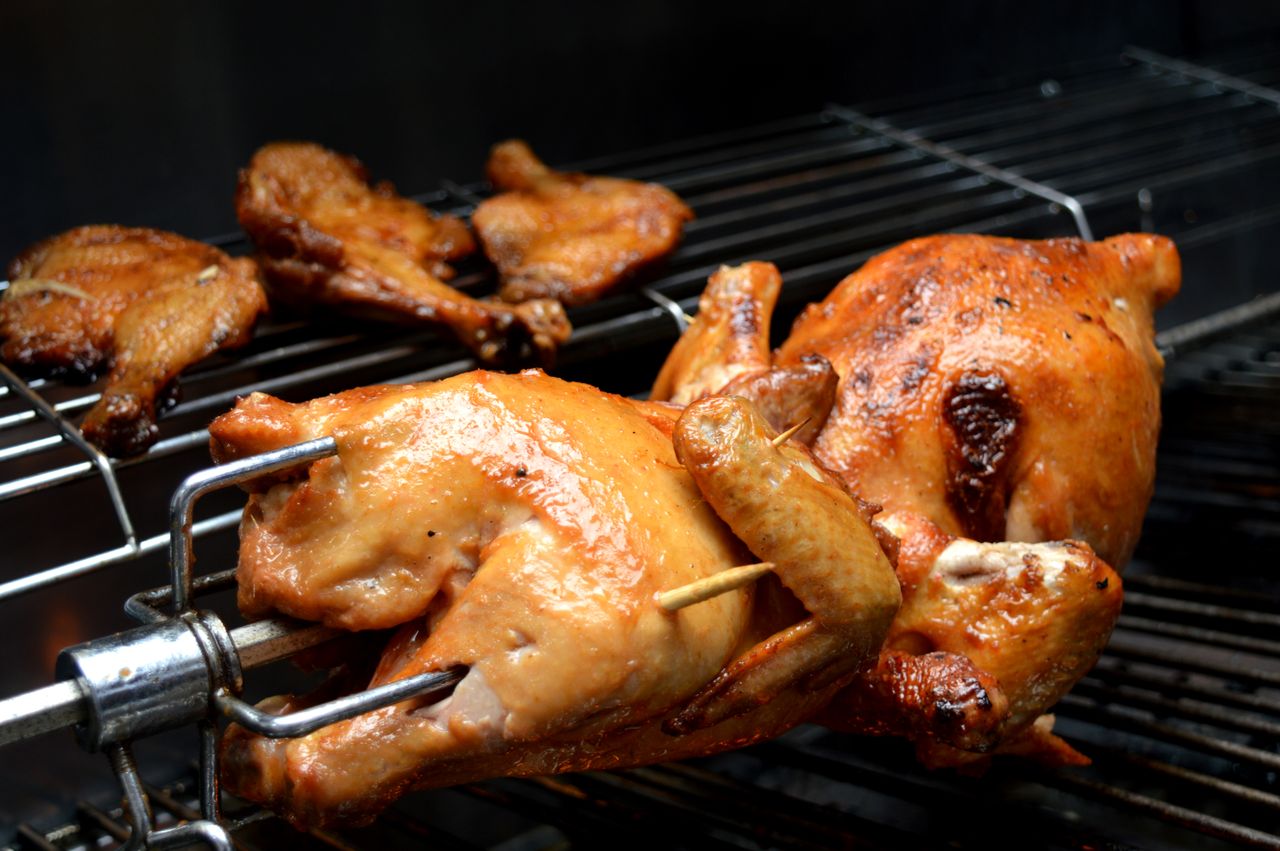
Prepared foods remain one of the fastest-growing convenience categories in U.S. grocery retail, with rotisserie chicken still a staple purchase for weeknight meals. But federal food safety guidance narrows the issue to a simple handling mistake after checkout: leaving the chicken out too long before eating or refrigerating it. In practice, that means the problem is less about the bird itself and more about how long it spends between the deli case, the car, the counter, and the refrigerator.
The mistake is delaying refrigeration after purchase
The specific mistake is delaying refrigeration of a hot, fully cooked rotisserie chicken after purchase. The U.S. Department of Agriculture’s Food Safety and Inspection Service states in its chicken handling guidance that ready-prepared chicken should be eaten or refrigerated within two hours, and that if it will not be used within that window, it should be cut into several pieces and refrigerated in shallow, covered containers. FoodSafety.gov also states that cooked leftovers should be chilled promptly within two hours.
That timing matters because perishable food does not stay protected indefinitely once it leaves hot holding equipment. FoodSafety.gov says perishable food left at room temperature for more than two hours should be discarded, and the limit drops to one hour if the temperature is above 90 degrees Fahrenheit. The FDA gives the same practical warning for takeout-style foods and leftovers that need refrigeration.
Recent consumer-facing coverage has echoed that federal guidance. Consumer Reports, in guidance published in 2026, advised shoppers to transfer rotisserie chicken from store packaging to a covered container and refrigerate it within two hours. The consistent message across government agencies and consumer testing groups is that the biggest mistake is treating a store-bought rotisserie chicken like a shelf-stable item when it is still a perishable cooked meat.
What that means once the chicken gets home
What is confirmed is that a rotisserie chicken remains perishable whether it is purchased from a supermarket deli, warehouse club, or takeout counter. USDA guidance says that if the chicken is hot at the time of purchase and will not be eaten within two hours, consumers should divide it into smaller pieces so it can cool faster in the refrigerator. FoodSafety.gov separately advises storing leftovers in shallow containers for rapid cooling.
What is not universally specified is a single brand-by-brand handling instruction that overrides federal rules. Retailers may print sell-by or use-by information on packaging, but federal food safety agencies still base safe handling on time and temperature. That means a long drive home, a stop at another store, or leaving the container on the kitchen counter can all affect whether the food remains safe.
For households, the practical impact is straightforward. If the chicken is dinner, buy it near the end of the shopping trip and serve it promptly. If it is for later use, refrigerate it quickly, use cooked leftovers within four days according to FoodSafety.gov, and reheat leftovers to 165 degrees Fahrenheit before serving.
Why food safety agencies focus on time and temperature
The reason agencies focus so heavily on prompt refrigeration is bacterial growth. FoodSafety.gov says some bacteria and viruses linked to foodborne illness can multiply when food is not kept hot enough or cold enough, and it advises consumers to refrigerate leftovers within two hours. The FDA also warns that some organisms can create toxins when perishable food is left unrefrigerated, and those toxins may survive later reheating.
USDA guidance adds a second layer of context for rotisserie chicken specifically. A whole cooked chicken cools more slowly than cut portions, which is why the agency recommends breaking it into several pieces and using shallow covered containers if it will not be eaten promptly. That is a storage step, not a cooking step, but agencies treat it as central to safe handling.
For customers, the takeaway is not a new recall, a retailer-specific warning, or a product defect. It is established federal guidance, last reviewed by FoodSafety.gov on August 14, 2025, that hot prepared chicken should be treated like any other cooked perishable food: eat it soon, chill it fast, and discard it if it has been left out beyond the safety window.