
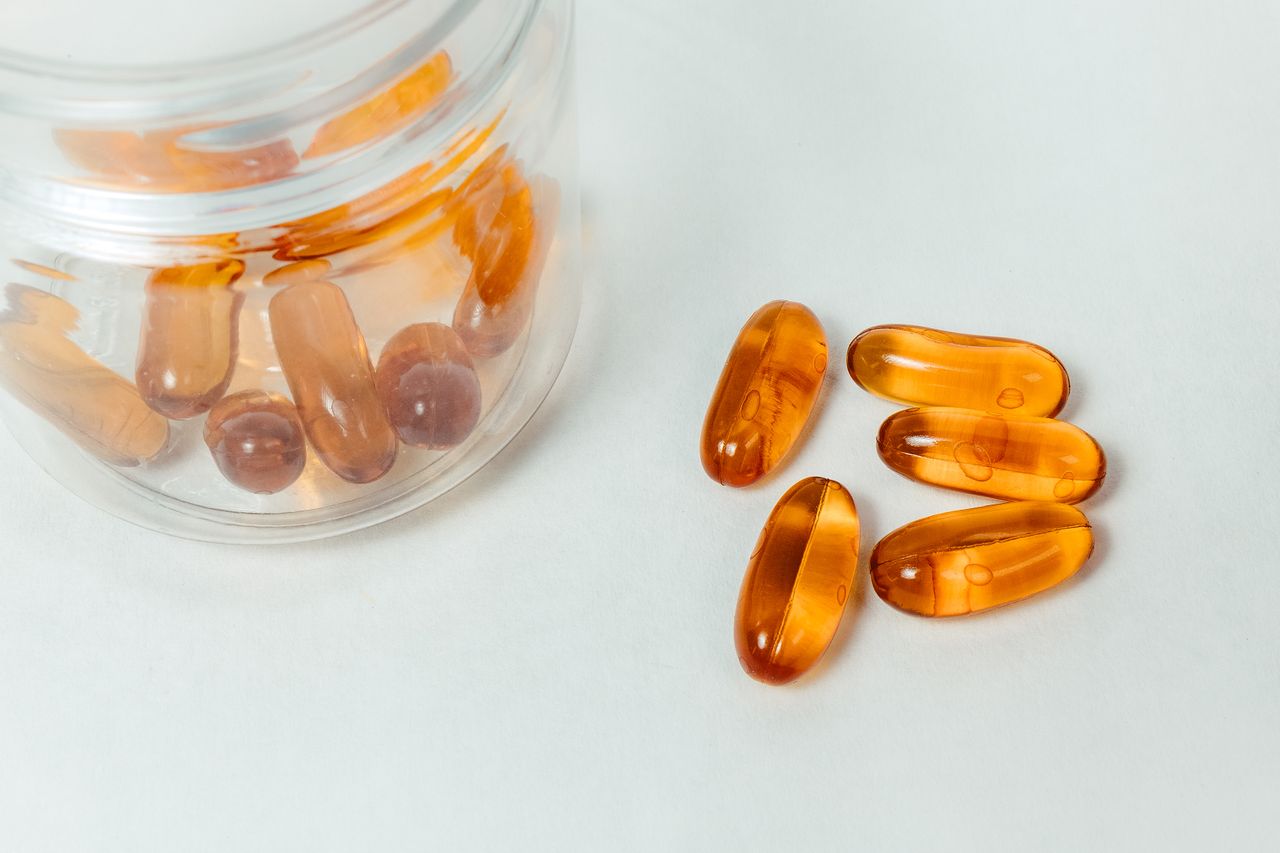
As dementia cases rise and prevention research draws wider public attention, nutrition has become one of the most closely watched areas in brain-health science. The latest discussion centers on vitamin D, a common nutrient now linked in multiple recent studies to lower dementia risk, though public-health guidance remains more cautious than many headlines suggest. For U.S. readers, that means the science is worth watching, but it has not yet produced a blanket recommendation to take supplements specifically to prevent dementia.
Recent research points to vitamin D, with one review finding a 49% gap
The clearest recent figure comes from a 2025 meta-analysis published in Frontiers in Neurology, which pooled 22 observational studies covering 53,122 participants. That analysis found people in the lowest vitamin D category had a 49% higher risk of dementia than those in the highest category, and it reported that each 10 nmol/L increase in vitamin D was associated with a 1.2% lower dementia risk. The researchers also stated that the findings show an association, not proof that vitamin D directly prevents dementia.
More recent individual studies have pushed that conversation forward. In findings highlighted by the American Academy of Neurology in April 2026, researchers followed 793 dementia-free adults with an average age of 39 and found that higher vitamin D levels in midlife were associated with lower tau burden on brain scans about 16 years later. Tau is one of the key biological markers linked to Alzheimer’s disease.
A smaller Emory University study, published August 19, 2026, looked at 54 older adults with both sleep disturbance and mild cognitive impairment, a group already considered at elevated risk of dementia. Emory said participants taking at least 5,000 IU of vitamin D daily scored more than 13% higher on a standard cognitive screening test than those who were not, after adjustment for other factors. The researchers described that study as preliminary.
What the findings mean in the United States, and what remains unconfirmed
For people in the United States, the main confirmed takeaway is that low vitamin D status is increasingly being studied as a potentially modifiable risk factor. That matters because dementia already affects millions of Americans, and Emory noted that more than 7 million Americans are living with Alzheimer’s dementia, with that number projected to approach 13 million by 2050.
What is not confirmed is equally important. None of these recent studies establishes that taking vitamin D supplements will cut dementia risk in half for the general population. The “half” figure seen in some coverage reflects a comparison between low and high vitamin D groups in observational data, not a controlled trial showing that a supplement intervention prevents half of future dementia cases.
There is also no new federal recommendation telling healthy adults to start vitamin D solely for dementia prevention. The available research varies widely in design, population and dosage, and some of the most eye-catching findings come from small or specialized groups, including adults with mild cognitive impairment or sleep problems rather than the broader public.
Global health guidance remains cautious as researchers sort out cause and effect
The broader context helps explain why experts are being careful. On July 15, 2026, the World Health Organization released updated dementia risk-reduction guidelines stating that up to 45% of dementia risk could be prevented or delayed through modifiable factors such as physical activity, diet, blood-pressure control, diabetes management and reduced exposure to air pollution.
But the WHO guidance also drew a firm line on supplements. The agency said vitamins B and E, omega-3 fatty acids and multivitamin or mineral supplements are not recommended specifically to reduce dementia risk in people without a diagnosed deficiency because the evidence is not strong enough to show benefit that outweighs possible harms. Supporting guidance in the WHO evidence review also emphasized that whole-diet approaches appear more promising than focusing on single nutrients.
That leaves vitamin D in a closely watched but unresolved category. Researchers continue to report associations between better vitamin D status and markers of brain health, while also saying randomized controlled trials are still needed to determine whether supplementation itself changes dementia outcomes. For now, the strongest public-health message remains broader: preventing deficiency and managing established dementia risk factors are supported more clearly than any single-vitamin strategy.
Столкнулся с выбором силового кабеля для подключения оборудования: по расчёту подходит ВВГнг-LS, но у разных производителей при одинаковой маркировке заметно отличаются диаметр жил, толщина изоляции и цена. Не хочется переплачивать, но ещё меньше хочется получить нагрев кабеля, просадку напряжения или проблемы после монтажа. На что вы смотрите при покупке силового кабеля и каким производителям сейчас можно доверять? Как правильно рсчитать нагрузку на ввгнг ls а
I was looking for a reliable place to register and this was the perfect choice. Everything is streamlined and efficient. Visit aaajili357loginregister