
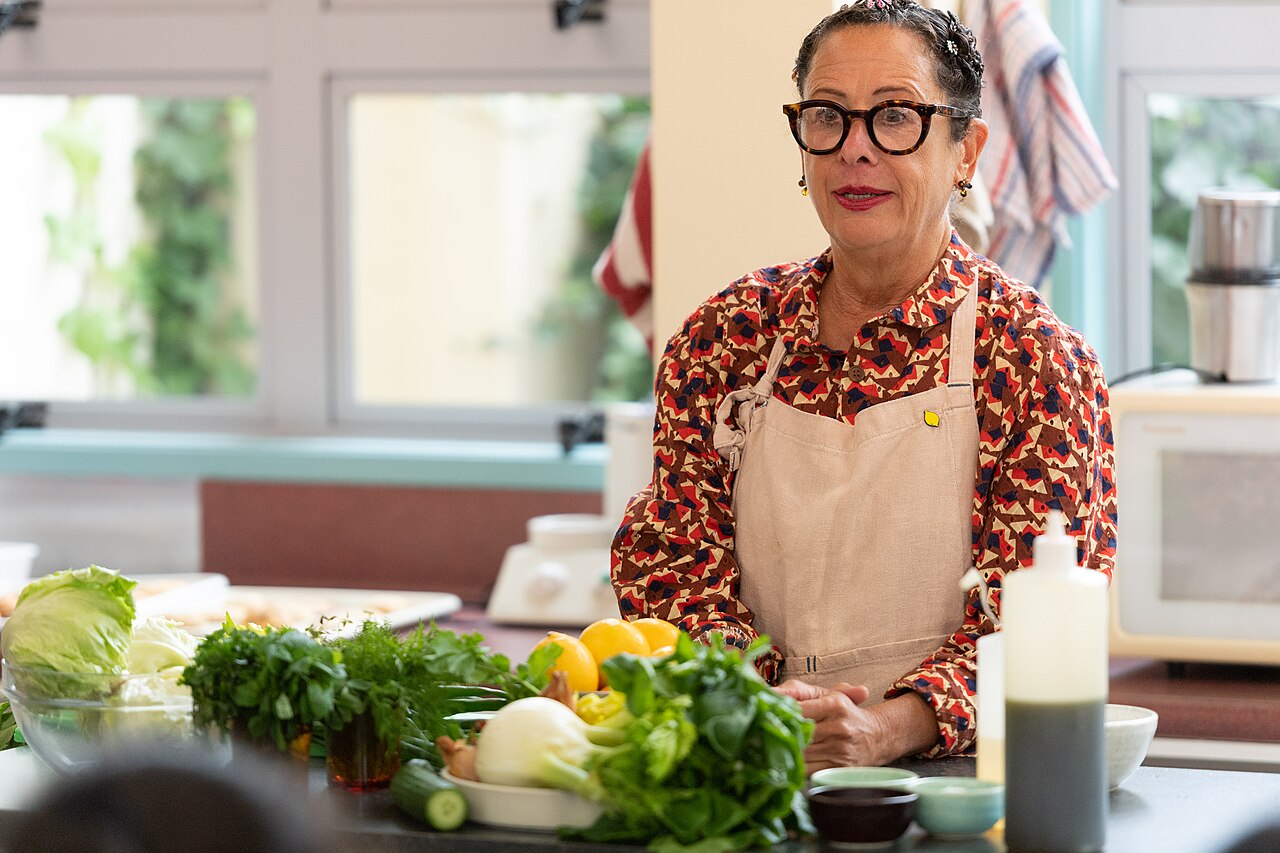
A better lunch often comes down to a few small choices, not a longer ingredient list. Chef Nancy Silverton’s sandwich rules, along with similar advice from chefs like Tom Colicchio and Mason Hereford, point to a simpler formula that home cooks can actually use.
Why Silverton’s sandwich advice still holds up
Nancy Silverton helped push sandwiches into serious restaurant cooking years ago, according to the James Beard Foundation, which described her as one of the chefs who gave the format fine-dining attention. In that foundation’s archived interview, Silverton boiled a great sandwich down to a few direct rules that still read like solid home-kitchen advice today. She said to edit yourself, avoid letting too many ingredients get lost, and make sure the whole package works together.
Her most practical point may be the one about moisture. Silverton said a great sandwich should be juicy and that a wetter sandwich is better than a drier one, with condiments doing real work instead of acting like an afterthought. She also stressed proportion, saying the bread should be pretty equal to the filling.
That guidance lines up with other chef advice collected by food outlets. Bon Appétit highlighted tips from sandwich specialists that focus on trimming excess interior bread, adding crisp textures, using more herbs, and building flavor with more than one sauce.
The lunch-changing rule is balance, not excess
If there is one rule likely to change the way most people make lunch, it is balance. Silverton’s version is bread-to-filling proportion. Tom Colicchio’s version, cited by Tasting Table from an interview with Delish, is balancing rich ingredients with something sharp, spicy, or tangy. In practice, those are very close to the same idea. A sandwich gets better when fatty cheese, mayo, or cured meat meets acid, crunch, or heat.
That matters because the most common homemade sandwich mistake is overloading. Too much meat, too many wet vegetables, or a thick stack on soft bread can turn lunch into a soggy, uneven bite. Silverton’s call to edit yourself is less about minimalism and more about clarity. Each ingredient should have a job.
Bread choice plays into that balance, too. Tasting Table’s roundup notes that Colicchio recommends sturdy breads for packed lunches, while Mason Hereford favors thick-cut bread that keeps texture when grilled. Those details support Silverton’s broader point that the structure has to match the filling.
How to use these rules in a home kitchen
For a packed lunch, start with bread that can hold up for several hours, then keep the filling focused. One protein, one creamy element, one crisp element, and one bright or acidic note is usually enough. That approach reflects Silverton’s editing rule, her emphasis on juiciness, and Colicchio’s advice to offset richness with pickled or vinegary flavor.
If your sandwich usually tastes flat, the fix may not be more meat or more cheese. Bon Appétit’s chef tips suggest smarter additions such as herbs, crispy toppings, or a second sauce. Even a simple turkey sandwich can feel more complete with dill, a swipe of mustard-mayo, or a few pickled peppers.
The real takeaway is that acclaimed chefs are not asking home cooks to make lunch more complicated. Silverton’s rules argue for fewer ingredients, better proportion, and enough moisture to keep every bite pleasant. That is a realistic lunch upgrade, and it is one that costs more attention than money.
Bu güzel bilgilendirmeler için teşekkür ederim.