

New York sells breakfast as theater. In the city’s most photogenic hotels, the first meal of the day now arrives with velvet banquettes, silver coffee pots, and a queue long enough to suggest greatness.
That promise does not always hold. After weighing the breakfasts that travelers and creators keep pushing into the viral spotlight, the biggest surprise was not the best table, but the most overhyped one.
Why hotel breakfast became a New York status symbol

Hotel breakfasts used to be a captive-market convenience, something business travelers tolerated before meetings. That model has changed sharply as hotels compete for locals, tourists, and social-media visibility at the same time. Forbes reported years ago that traditional room-service breakfast demand had already fallen below 10 percent at many hotels, a shift that pushed properties to rethink morning dining as a public-facing experience rather than a private amenity.
In New York, that reinvention has been especially visible because the city rewards places that feel cinematic. A breakfast room inside a famous hotel can sell not just eggs and coffee, but a storyline: old-money glamour, downtown cool, or European polish. That is why the viral contenders are rarely simple buffets. They are designed as settings first and menus second.
The city’s breakfast ecosystem also gives hotels unusual competition. Eater’s current Manhattan breakfast coverage shows how strong the broader market is, from old-school institutions to newer destination spots near major travel corridors. In a city where even casual neighborhood breakfast can be excellent, a hotel dining room has to justify both its price and its hype. That makes the misses more obvious.
The viral contenders worth waking up for
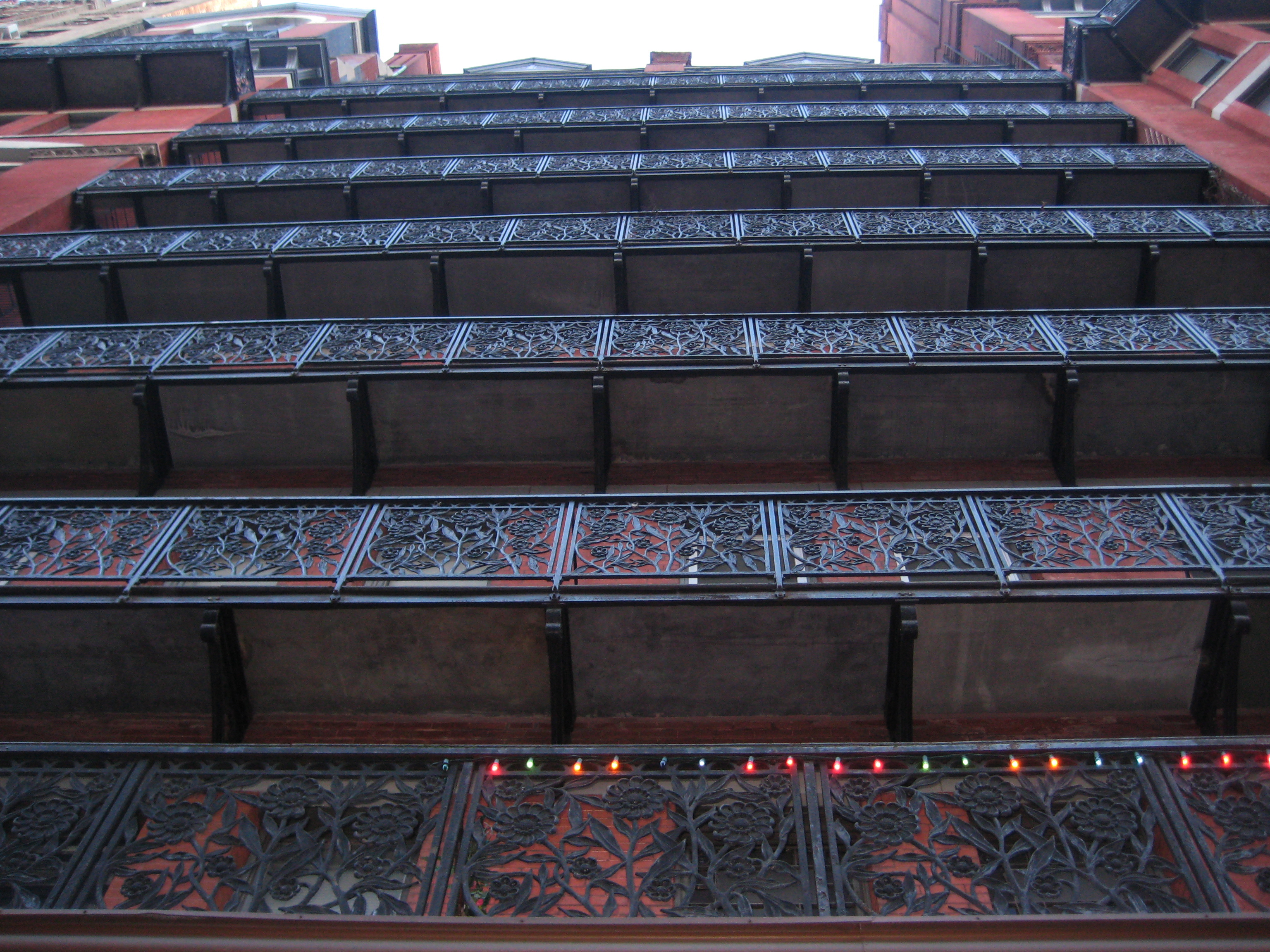
The strongest performer in this field was not the loudest one online. Cafe Chelsea, inside the storied Chelsea Hotel, still draws a crowd years after opening, and Eater notes that it remains one of the breakfast places people actively seek out rather than stumble into. That distinction matters. A viral breakfast only lasts if diners return when nobody is filming.
What works there is balance. The room has enough history to feel special, but the menu does not lean on nostalgia as a substitute for precision. Pastries arrive with structure, eggs are treated with care, and coffee service feels paced for actual conversation. It is a hotel breakfast that understands the assignment: deliver an occasion without making the guest work for it.
A similar lesson applies to luxury hotel breakfasts that keep service streamlined instead of sprawling. The best versions are edited rather than excessive. They know that travelers are often choosing between speed and indulgence, and a good morning program can offer both. In practice, that means warm pastries refreshed often, savory options that do not sit too long, and a room that never feels like an airport lounge wearing expensive wallpaper.
Where the line was longest, and the food was weakest

The weakest viral breakfast was the one most visibly powered by scarcity theater. In Times Square-adjacent hotels, breakfast traffic often bunches hard because guests want convenience before tours, flights, or theater plans. Reviews tied to properties such as Hyatt Centric Times Square mention confusion around breakfast flow and the need for clearer line management, a sign that operational friction is becoming part of the experience rather than an exception.
That problem matters more than influencers tend to admit. A long line can create the illusion that breakfast is essential, when in reality it may simply be under-managed. Once inside, the meal often reveals the familiar weaknesses of high-volume hotel service: lukewarm eggs, pastries chosen for durability over flavor, and buffet layouts that slow guests down at every turn.
The disappointment is sharper because the pricing implies abundance. TripAdvisor review snapshots for major Manhattan hotel buffets show how quickly costs escalate, especially in prime tourist zones. At that point, diners are not just buying calories. They are paying for convenience, atmosphere, and confidence that the meal will start the day well. When the line is the most memorable part, the breakfast has failed.
What separates a great hotel breakfast from an expensive one
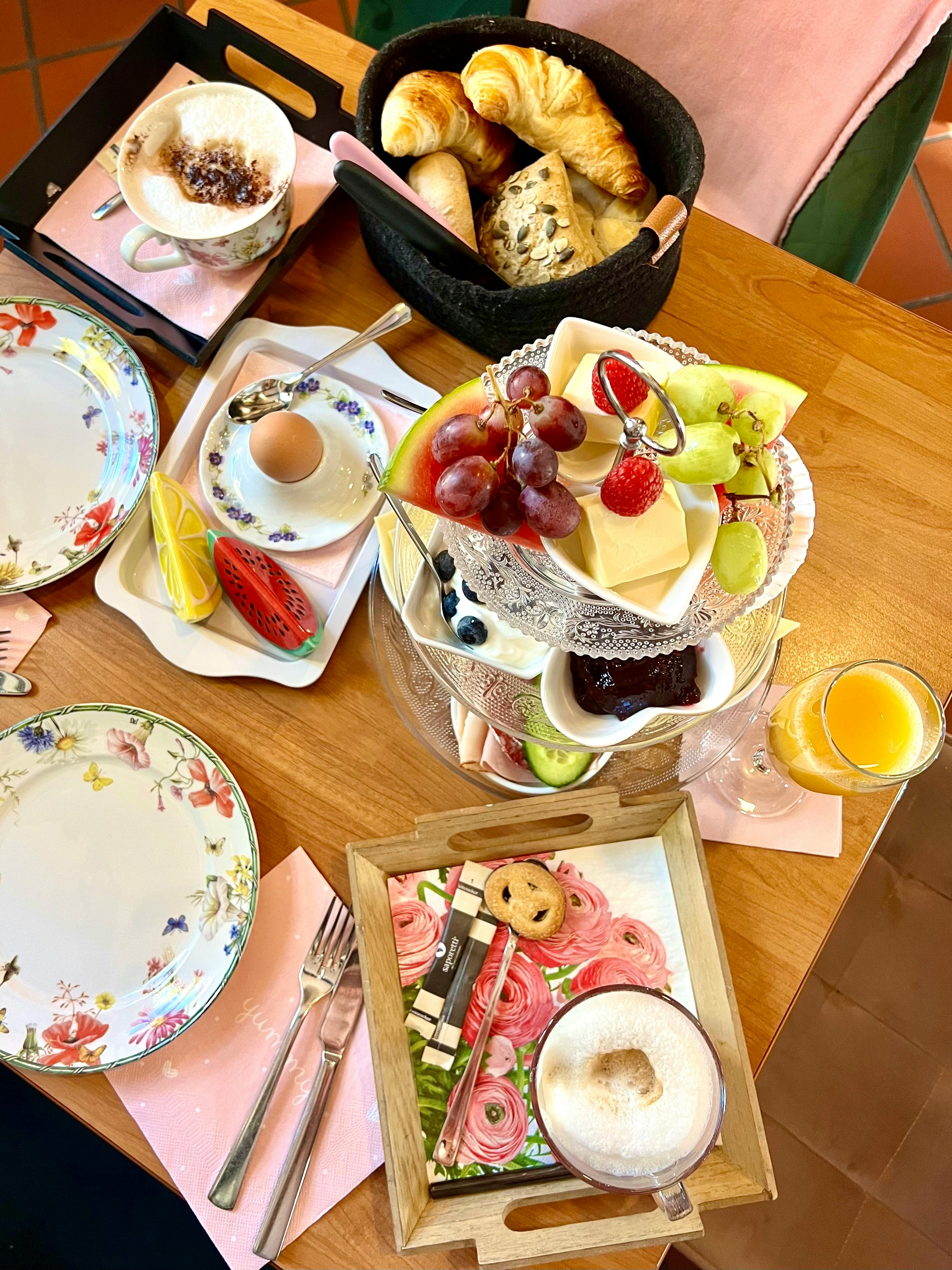
The best hotel breakfasts share one trait that has little to do with luxury ingredients: they respect morning logic. Travelers want clarity, rhythm, and a menu that can satisfy different appetites without becoming chaotic. A polished breakfast room should move people smoothly from host stand to coffee to plate, with no uncertainty about whether the experience is leisurely, grab-and-go, or buffet-based.
Execution is where hype usually collapses. Scrambled eggs should be soft, not holding-pan casualties. Fruit should taste selected rather than obligatory. Toast should arrive hot enough to melt butter without negotiation. These sound like tiny details, but breakfast exposes indifference faster than dinner does because the dishes are simpler and the diner is less patient.
This is also why design cannot save a weak menu. New York has no shortage of glamorous rooms, and some of the most photogenic hotel restaurants are excellent at night. Morning is less forgiving. Daylight removes mystery, and breakfast flavors are too familiar to fake. If the croissant is stale or the service drags, chandeliers become evidence for the prosecution rather than part of the defense.
The price, the crowd, and the social-media distortion effect
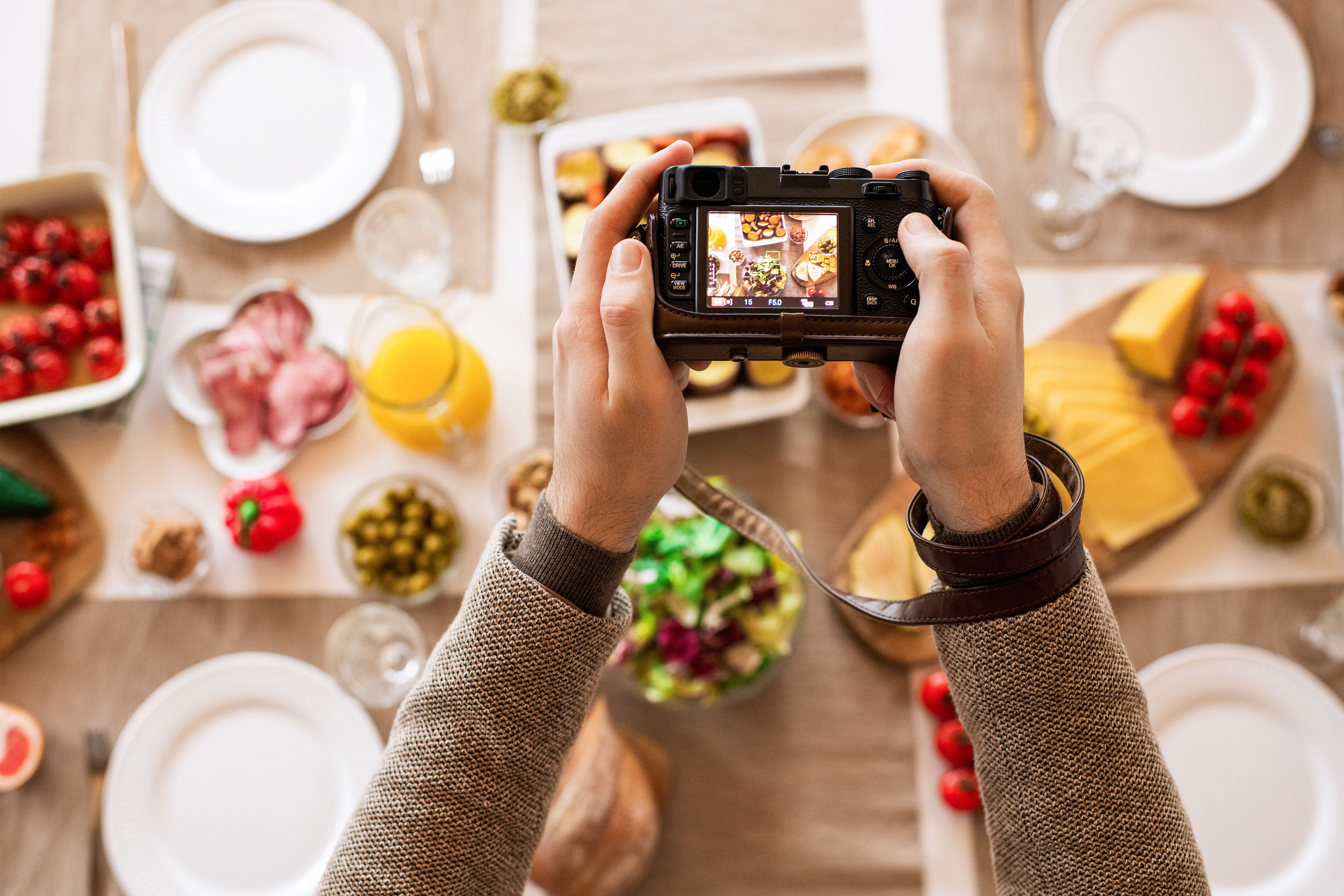
Viral hotel breakfasts benefit from a powerful visual bias. A silver tray, a coupe glass of juice, and sunlight hitting marble can make an ordinary meal look transcendent in 15 seconds of video. Social platforms reward framing over follow-through, which is one reason the busiest breakfast is not always the best one. The line itself becomes content, a shortcut to perceived demand.
New York intensifies that distortion because travelers cluster around recognizable neighborhoods and want easy wins. A packed hotel restaurant in Midtown can look like proof of quality when it may simply reflect guest volume plus limited nearby time. By contrast, a better breakfast downtown might feel calmer because its clientele includes locals who know when to arrive and what to order.
That gap between image and experience is where savvy diners should pay attention. Hype can identify places worth noticing, but it cannot replace sensory basics: heat, texture, timing, and hospitality. In breakfast, perhaps more than any other meal, there is nowhere to hide. If the potatoes are tired and the coffee arrives late, no amount of architectural grandeur changes the verdict.
The smarter way to choose a hotel breakfast in the city
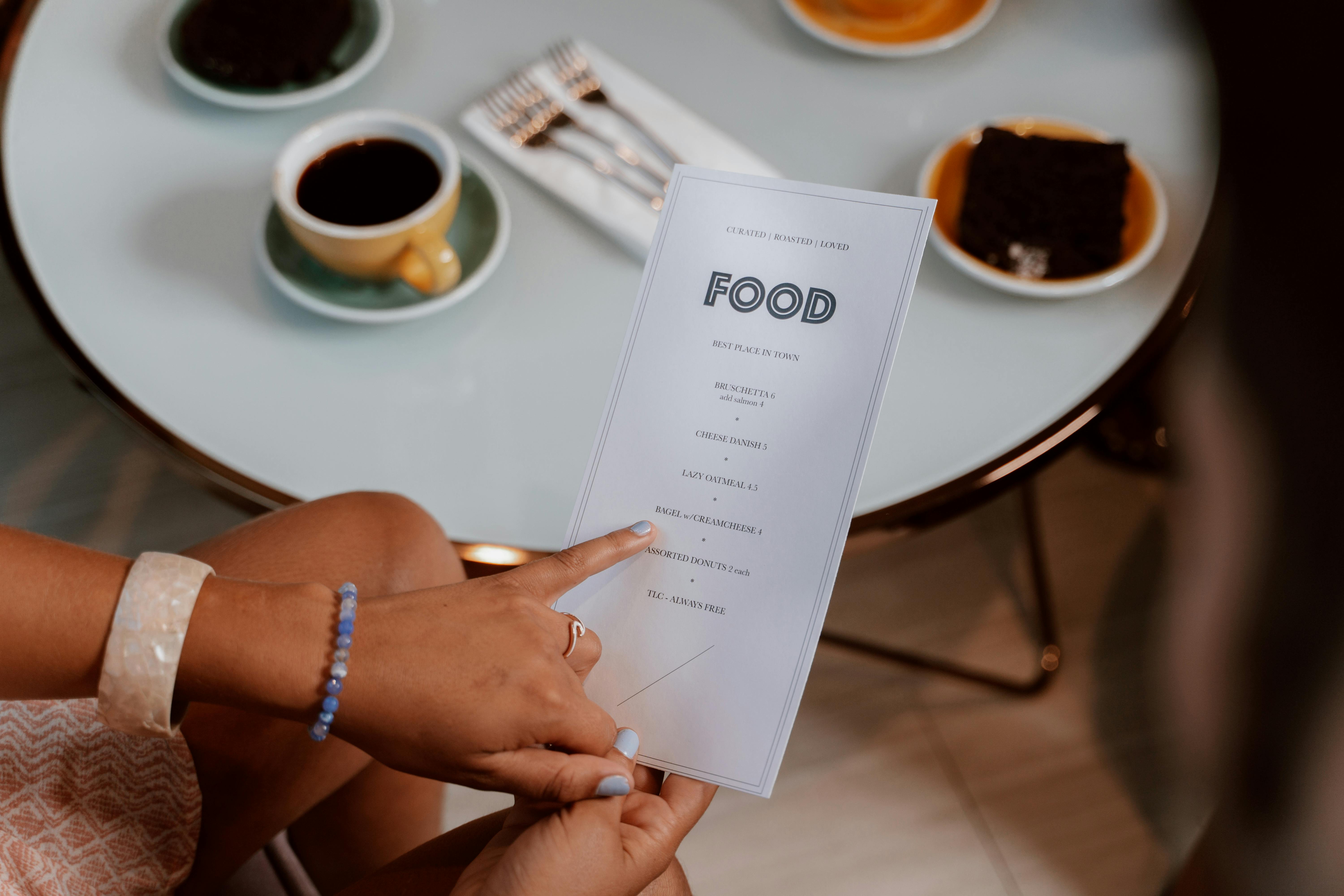
The best strategy is to ignore the loudest queue and study the room’s actual purpose. Is the breakfast built for hotel guests who need efficiency, or for destination diners who want an occasion? Places that try to serve both audiences without enough staffing often deliver the frustrations of each: too slow for travelers, too impersonal for locals.
If you are choosing in New York, prioritize hotels whose breakfast programs have earned attention from restaurant-focused outlets, not just travel roundups. Eater’s continued inclusion of hotel-based breakfast destinations is useful because it signals that a place is competing with the city, not merely with other hotels. That is a much harder standard and a more reliable one.
The final takeaway is simple. A viral hotel breakfast can absolutely be worth it, but only when the kitchen, the floor staff, and the room are all working toward the same morning mood. The worst breakfast I found had the longest line because demand had been manufactured more successfully than satisfaction. In New York, that may be common. It should never be mistaken for quality.