
I thought I was being smart. Like plenty of home cooks, I poured a glug of olive oil into my pasta pot for years and considered it a sign that I knew what I was doing.
It turns out I was sabotaging dinner in one of the most common, most unnecessary ways possible. And yes, any Italian grandmother watching would have every right to object.
The mistake looked sensible, which is why it lasted so long
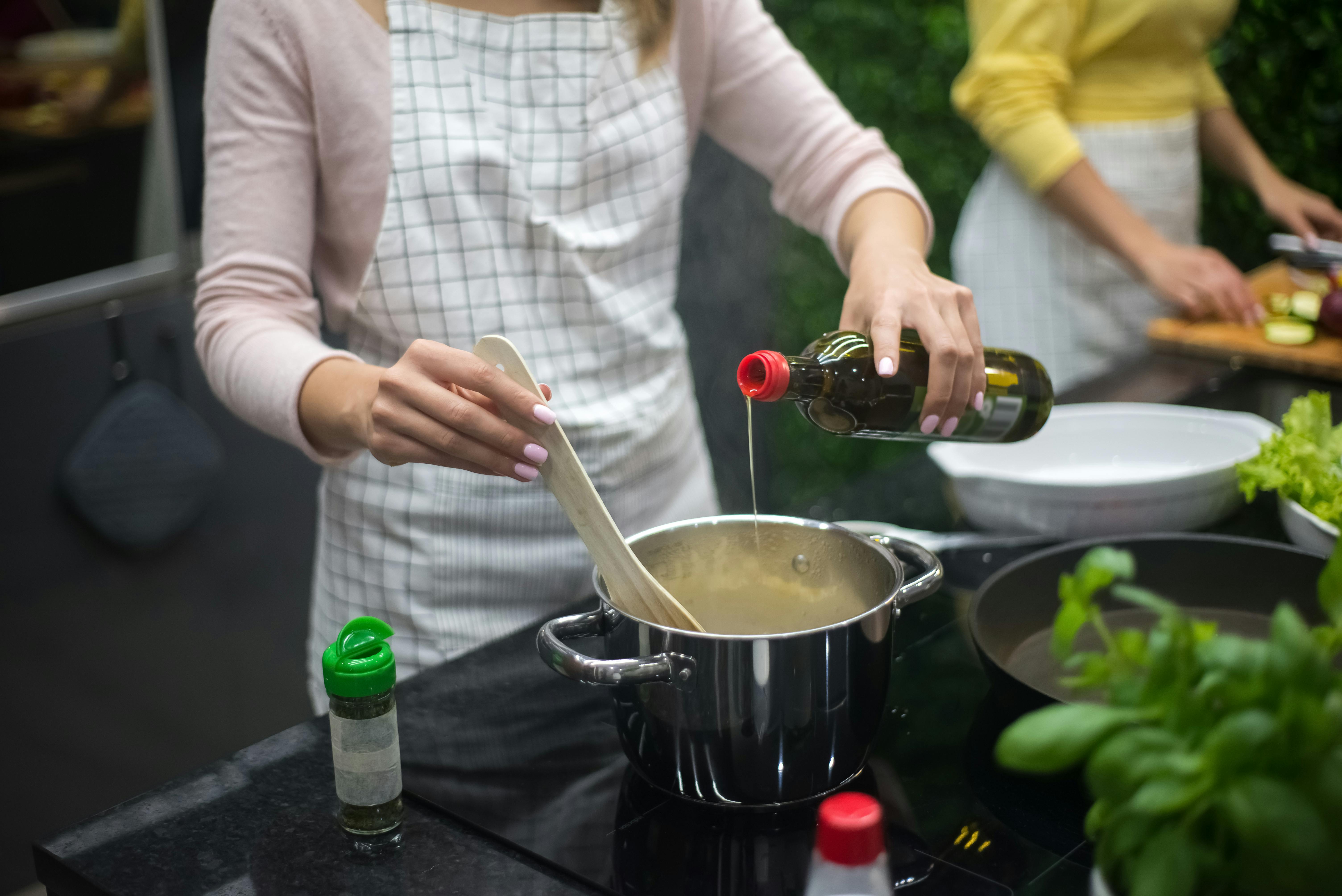
The mistake was simple: I added oil to the boiling water. I had absorbed the idea that it would keep the noodles from sticking together, make the pot behave better, and somehow guarantee a better final dish. It felt like a clever insurance policy, especially on busy weeknights when I wanted one less thing to worry about.
The problem is that this kitchen habit survives because it sounds scientific without actually being useful. According to Barilla, oil in the water does not prevent pasta from sticking, and it can interfere with how the sauce clings later. The company also notes that the starch released during cooking is part of what helps the final dish come together smoothly.
That disconnect matters because pasta is not just something you boil and top. In Italian cooking, the relationship between pasta and sauce is the whole point. A glossy plate of spaghetti or rigatoni depends on contact, friction, and starch, not on a slick surface that leaves sauce sliding away.
Why does oil in the pot work against better pasta

Oil and water do not truly combine in the pot, so the oil mostly floats on the surface. That means it is not coating each strand in some magical anti-stick shield while the pasta cooks. If anything, it is waiting until draining time, when some of that oil can lightly coat the pasta and make the surface less receptive to sauce.
Barilla’s cooking guidance is unusually direct on this point: adding oil will not stop sticking, but it may reduce the sauce’s ability to cling. That single detail explains why some home pasta dishes taste fine but never taste integrated. You get noodles and sauce sharing a plate, rather than noodles and sauce becoming one dish.
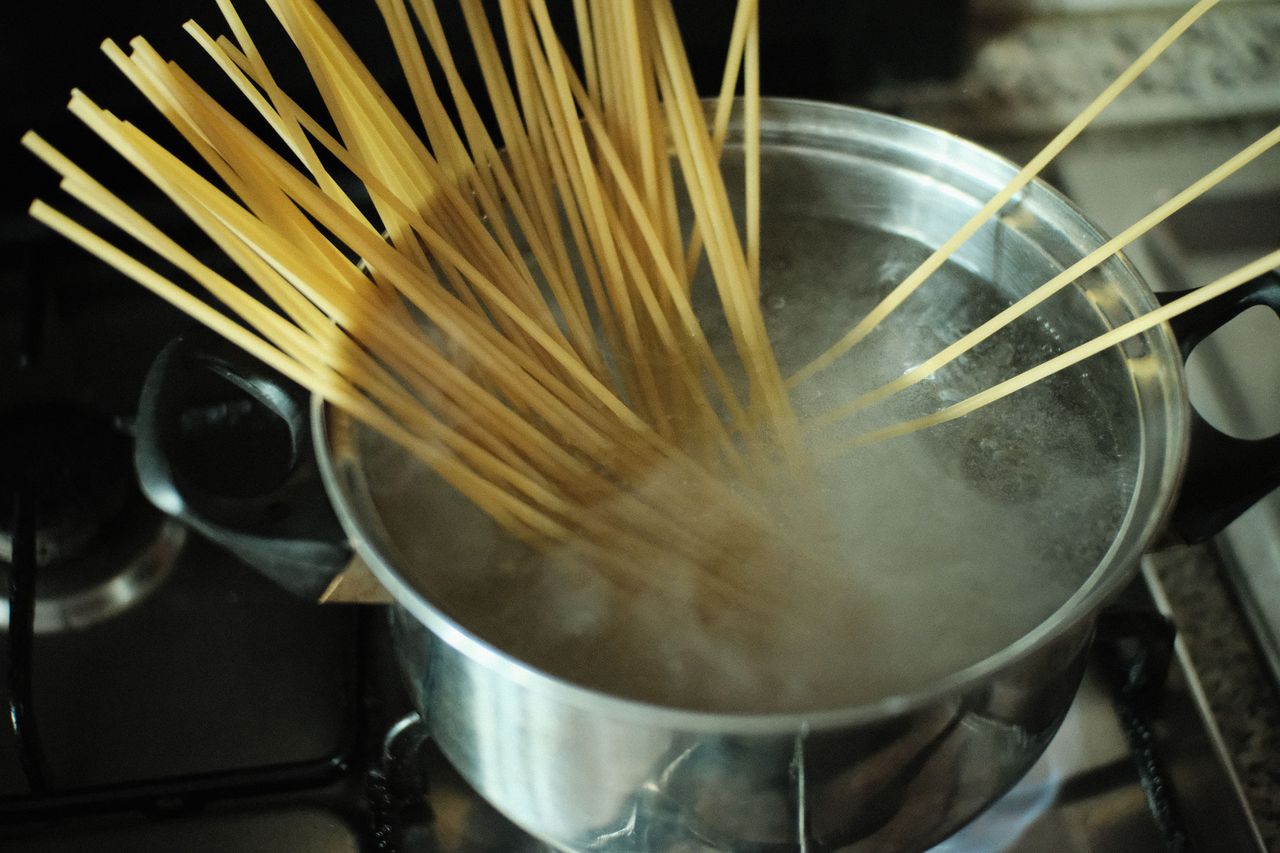
The fix is not exotic. Stir the pasta right after it goes into the water and again during the first minute, when sticking is most likely. Use enough water, keep it at a steady boil, and trust motion more than myth. Good pasta technique is less about tricks and more about timing and attention.
The starch you throw away is often the ingredient you needed most
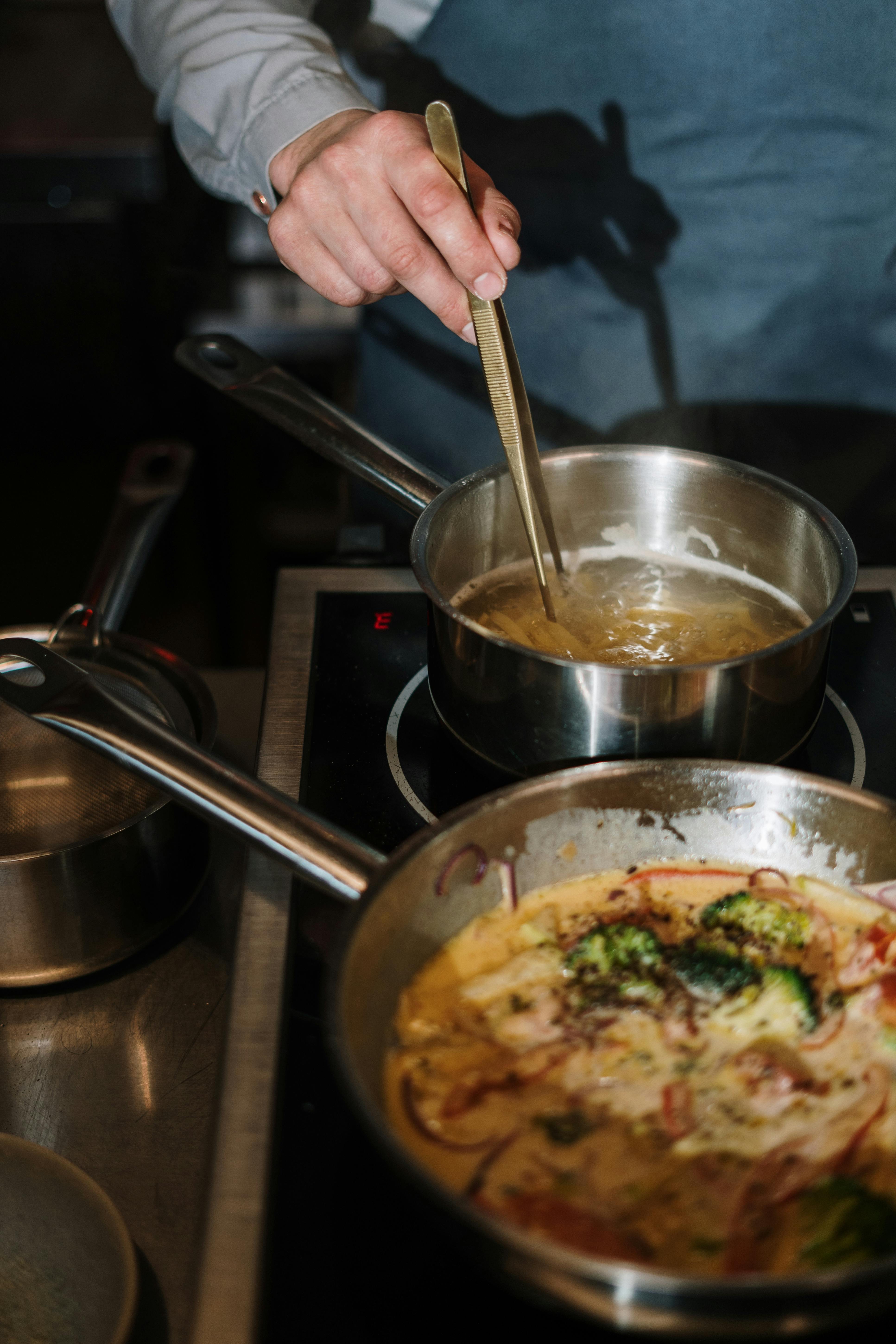
One reason this mistake is so frustrating is that it distracts from the thing that actually improves pasta: starchy cooking water. Barilla specifically recommends saving pasta water because the starch helps the sauce cling to the pasta and supports a better emulsion. That is how a thin-looking sauce suddenly becomes glossy, cohesive, and restaurant-like.
This matters especially for classic Italian dishes that depend on texture more than heavy cream or butter. Think cacio e pepe, aglio e olio, or simple tomato sauce. La Cucina Italiana has emphasized that creamy pasta often comes not from excess fat, but from controlling moisture and starch so the sauce turns silky in the pan.
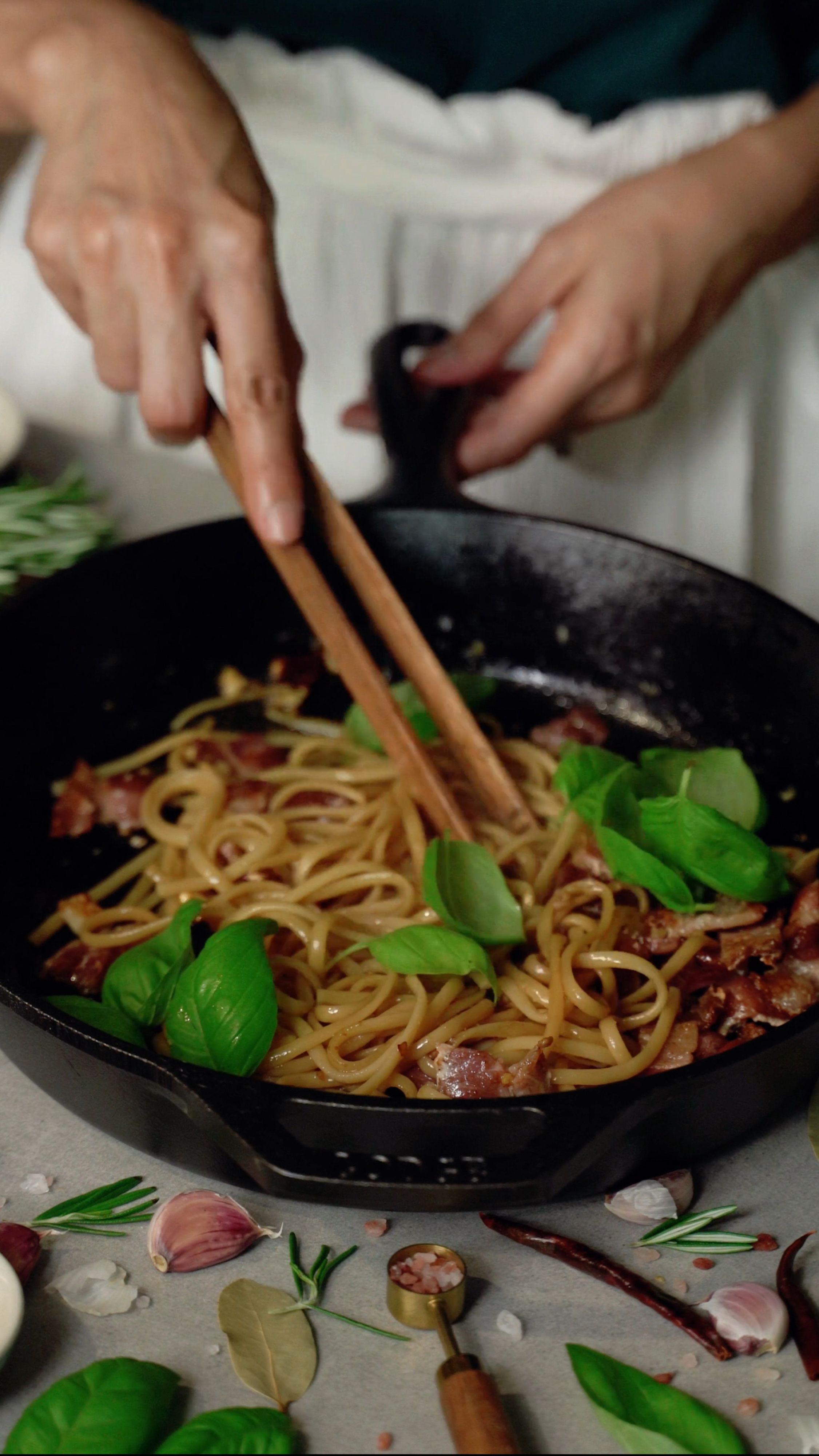
That final pan step is where many cooks level up. Instead of draining pasta completely and dumping sauce on top, transfer the pasta to the sauce while it is still slightly underdone. Add a splash of reserved water and toss. Suddenly the dish tightens, shines, and coats every shape the way pasta is supposed to.
What Italian-style pasta cooking actually asks you to do
Traditional pasta cooking is often less fussy than American kitchen folklore suggests. You do not need oil in the pot, and for most hot pasta dishes, you do not want to rinse the noodles either. Barilla warns that rinsing washes away the starch that helps sauce bind, which is why rinsed pasta can taste oddly separate from whatever you add to it afterward.
What you do need is a large pot, properly salted water, and attention to doneness. La Cucina Italiana notes that too little water can be a mistake unless you are intentionally cooking in a one-pot or risotto-style method. In a standard pasta setup, space and circulation help the noodles cook evenly and reduce clumping far better than oil ever could.
Then comes the most Italian move of all: finish with intention. Drain, but not aggressively dry. Keep some cooking water nearby. Toss the pasta in the sauce over heat for a minute or two. That is the difference between a serviceable bowl of pasta and one that tastes composed.
Why has this myth spread so widely in home kitchens
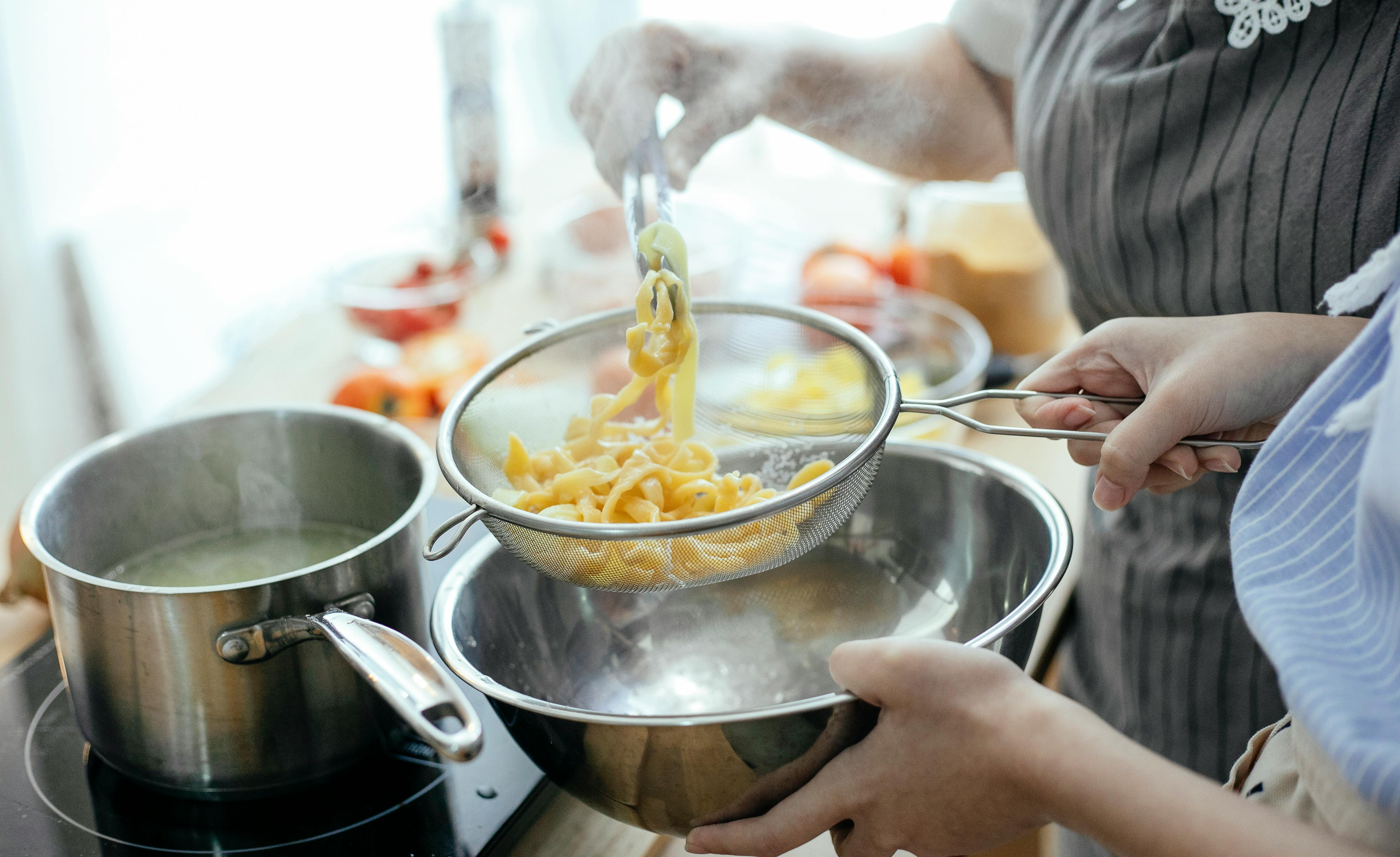
The oil-in-the-water habit has incredible staying power because it offers emotional comfort. It feels proactive, and many people learned it from family members who were passing down practical advice the best way they knew how. Once a ritual enters the kitchen, it can survive for decades, even when better information becomes widely available.
There is also confusion between different pasta scenarios. A little oil can help cooled pasta for salad after draining, because the goal there is to reduce sticking while the pasta sits. Barilla makes that distinction in its pasta salad guidance, where oil is used after cooking, not in the boiling water. That is a very different application from trying to change what happens in the pot itself.
In other words, the myth contains a tiny sliver of context that helped it sound universal. But hot pasta destined for sauce needs starch, not slickness. When one rule gets applied to every dish, technique turns into superstition.
The better habit that changed my pasta immediately
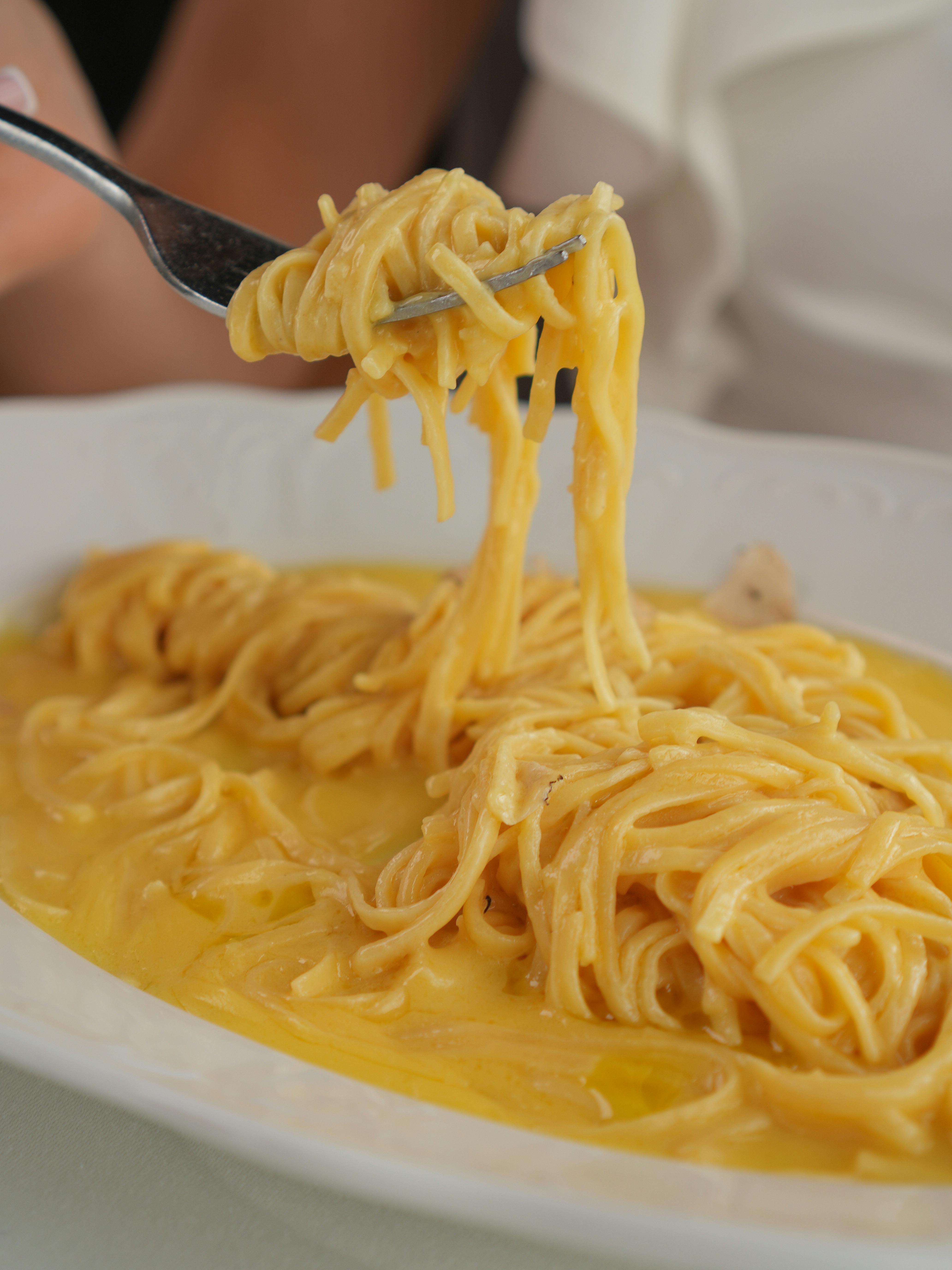
Once I stopped adding oil, I expected no real difference. Instead, I noticed that sauces grabbed the pasta more naturally, especially lighter ones that rely on emulsification. Tomato sauce tasted less watery, cheese sauces came together faster, and even a quick garlic-and-chile spaghetti had more gloss and cohesion.
The real upgrade, though, came from replacing the old habit with two deliberate ones: stirring early and saving cooking water. Those are not glamorous techniques, but they consistently improve texture. They also make expensive finishing ingredients, from good olive oil to aged cheese, work harder because they are binding to pasta that is ready to receive them.
So yes, this is the one pasta mistake I made for years. It was small, common, and easy to defend. But once you understand that great pasta is built on starch, heat, and sauce adhesion, pouring oil into the pot starts to feel less like wisdom and more like a waste of good olive oil.