
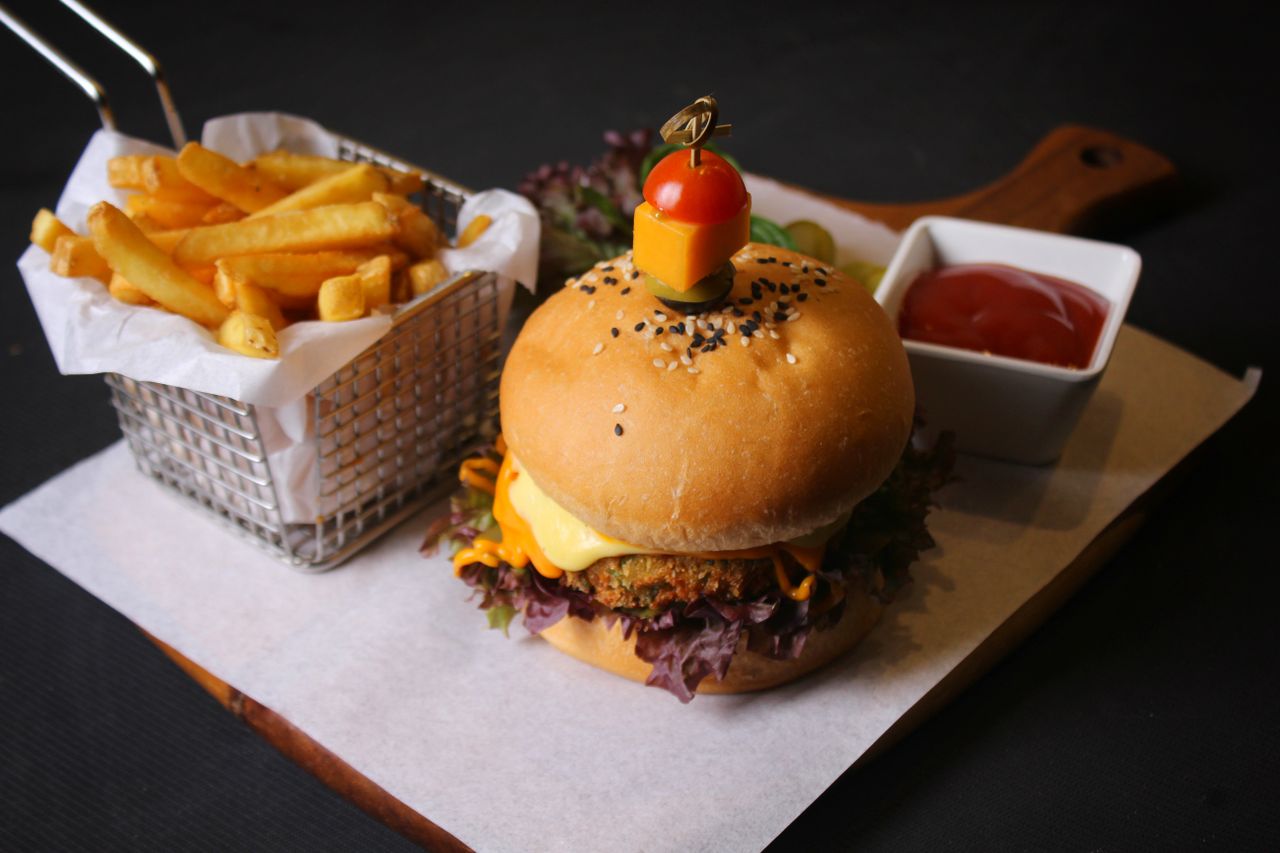
The number on the menu looks definitive. That is precisely why it deserves more skepticism, not less.
Fast-food calorie counts are usually lawful, methodical, and consistent, yet they can still give consumers a false sense of precision.
The calorie number is real, but it is not as exact as it looks

Federal menu-labeling rules require chain restaurants with 20 or more locations to post calories for standard menu items, a system that has been in force nationally since May 7, 2018, according to the FDA. Covered businesses must disclose calories on menus and menu boards and make more detailed nutrition information available on request. In other words, the numbers are not improvised marketing copy. They are regulated disclosures built on a documented method.
That sounds reassuring, and to a point it is. The problem is that consumers read a single calorie number as if it were a laboratory fact about the food they are about to receive, when it is really a regulated estimate tied to a standardized version of that item. The burger in your hand may be assembled a little heavier, cooked a little differently, or dressed a little more generously than the reference burger behind the number.
FDA guidance also allows calorie ranges for variable items and combination meals. That means the system itself recognizes that some products do not have one true calorie value. Yet when a menu prints a neat number beside a sandwich or combo, the presentation encourages certainty even when the underlying reality is more flexible.
Accuracy in the aggregate can still mislead at the individual meal level

Research on chain-restaurant items shows why this distinction matters. A study published in the Journal of the Academy of Nutrition and Dietetics found that calorie counts for sampled fast-food and fast-casual menu items were, on average, reasonably consistent with stated amounts, even as sodium was less consistent. That is the best case for the current system: restaurants are not broadly making up calorie numbers.
But average accuracy is not the same thing as meal-by-meal accuracy. Earlier research in JAMA found that while the average discrepancy between stated and measured energy content across restaurant foods was small, the items with the largest understatements were substantially higher than listed, by roughly 258 to 289 kcal per portion in follow-up testing. In plain English, the big misses matter more than the tidy averages.
This is exactly how a technically accurate system can mislead. If most items are close to target, regulators can reasonably say the framework works. If a smaller set of items overshoots by enough to erase the benefit of careful ordering, consumers can reasonably feel deceived. Both statements can be true at once, because they are describing different levels of reality.
Standard menu items are not the same thing as standard eating behavior

The legal framework revolves around “standard menu items,” but fast food is increasingly built around customization. Extra sauce, a larger tortilla, different milk, bacon add-ons, double meat, cheese swaps, flavored syrups, and app-only bundle deals all complicate the consumer experience. The posted calorie figure may still be correct for the default configuration, yet many customers never buy the default configuration at all.
That gap matters because people tend to process menu calories as totals, not starting points. A breakfast sandwich listed at 480 calories feels like a complete fact, even if the hash browns, sweetened coffee, dipping sauce, or protein upgrade quickly push the real purchase far higher. The label has not lied. It has simply described a narrower object than the one the customer actually ordered.
FDA guidance explicitly addresses variable menu items, toppings, and combinations, including the use of ranges. Even so, the burden often falls on the customer to decode which choices are included, which are optional, and which additions carry a meaningful calorie jump. In a rushed drive-thru or crowded lunch line, that is a lot to expect from one number printed in small type.
Consumers notice the numbers, but often not in the way policymakers hoped
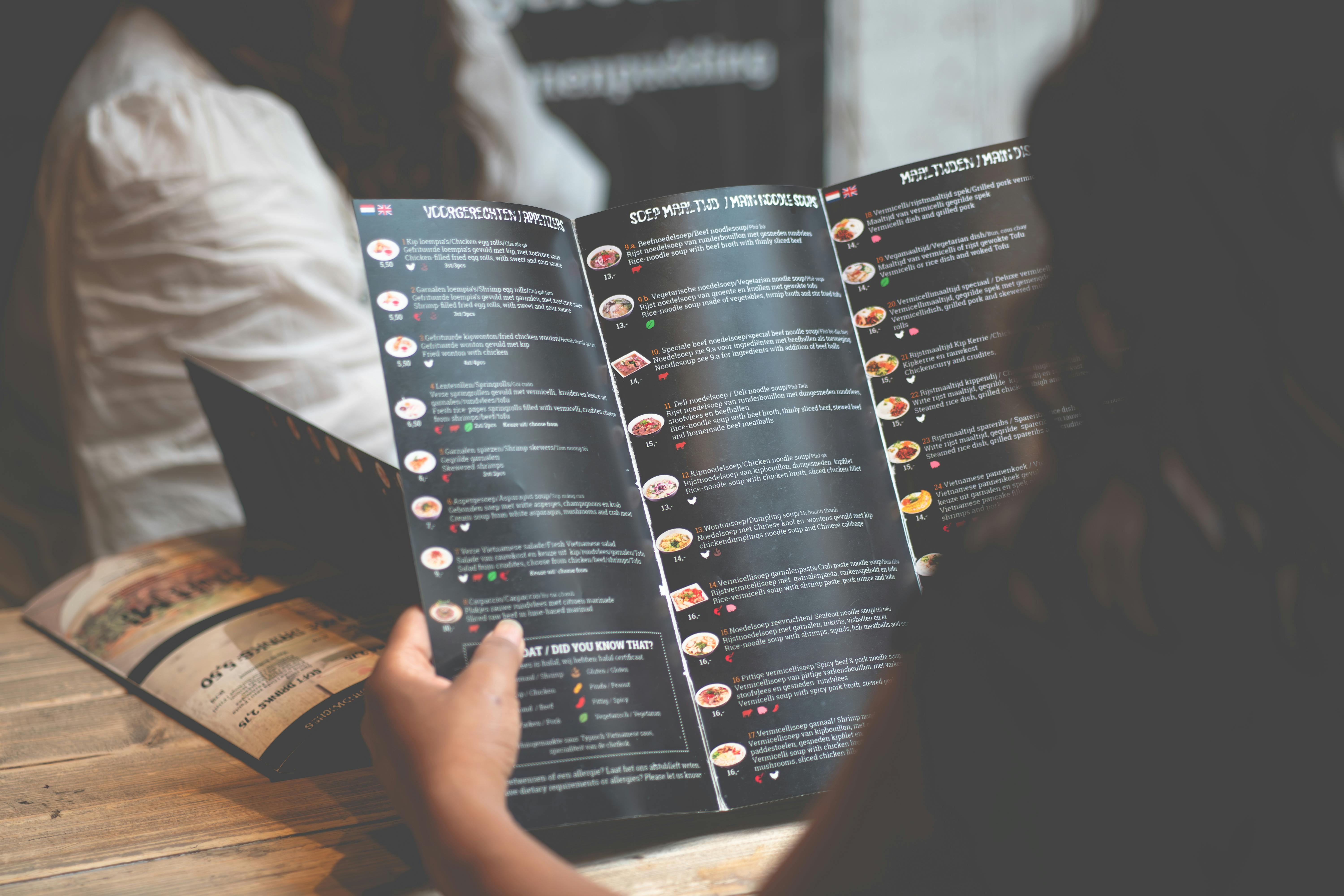
Menu labeling was meant to make ordering more informed, and there is evidence that many people do at least see the information. A 2024 research brief using nationally representative 2022 HINTS data found that about 49.7% of U.S. adults reported noticing calorie labels the last time they ordered in a fast-food or sit-down restaurant. That is meaningful visibility, but it is far from universal.
Noticing, however, is not the same thing as understanding. Older research in BMJ found that adults, adolescents, and parents ordering for children often underestimated the calorie content of fast-food meals, sometimes by large margins, especially for higher-calorie purchases. Calorie posting does not automatically correct the mental shortcuts people use when they see words like “grilled,” “wrap,” or “salad.”
There is also a design problem. A lone calorie number can imply that calories are the master key to nutrition, even when sodium, added sugars, saturated fat, and portion size may be just as important. The FDA requires additional nutrition information to be available, but not every diner asks for it, and not every ordering context invites that extra step.
The biggest distortion is psychological: false precision

What makes calorie labels so persuasive is not just the data but the format. A number like 540 reads as exact, objective, and settled. Consumers instinctively trust numerical precision, even when the food itself is subject to normal kitchen variation, supply differences, portioning inconsistencies, and last-minute modifications. The label compresses all of that uncertainty into a clean-looking fact.
That false precision can create two opposite mistakes. Some diners may overtrust the number and feel they have tightly controlled a meal that is actually more variable than it appears. Others may dismiss nutrition guidance altogether after experiencing enough obvious mismatches, deciding that all calorie labeling is pointless because a “500-calorie” meal once felt much larger or heavier than expected.
Neither conclusion is quite right. Menu labeling still offers a useful baseline, especially for comparing similar items at the same chain. If one chicken sandwich is listed at 430 and another at 730, the lower number is still a meaningful signal. The trouble begins when consumers confuse a comparison tool with a guarantee of exact intake.
The smarter way to read fast-food calories is as a range, not a verdict
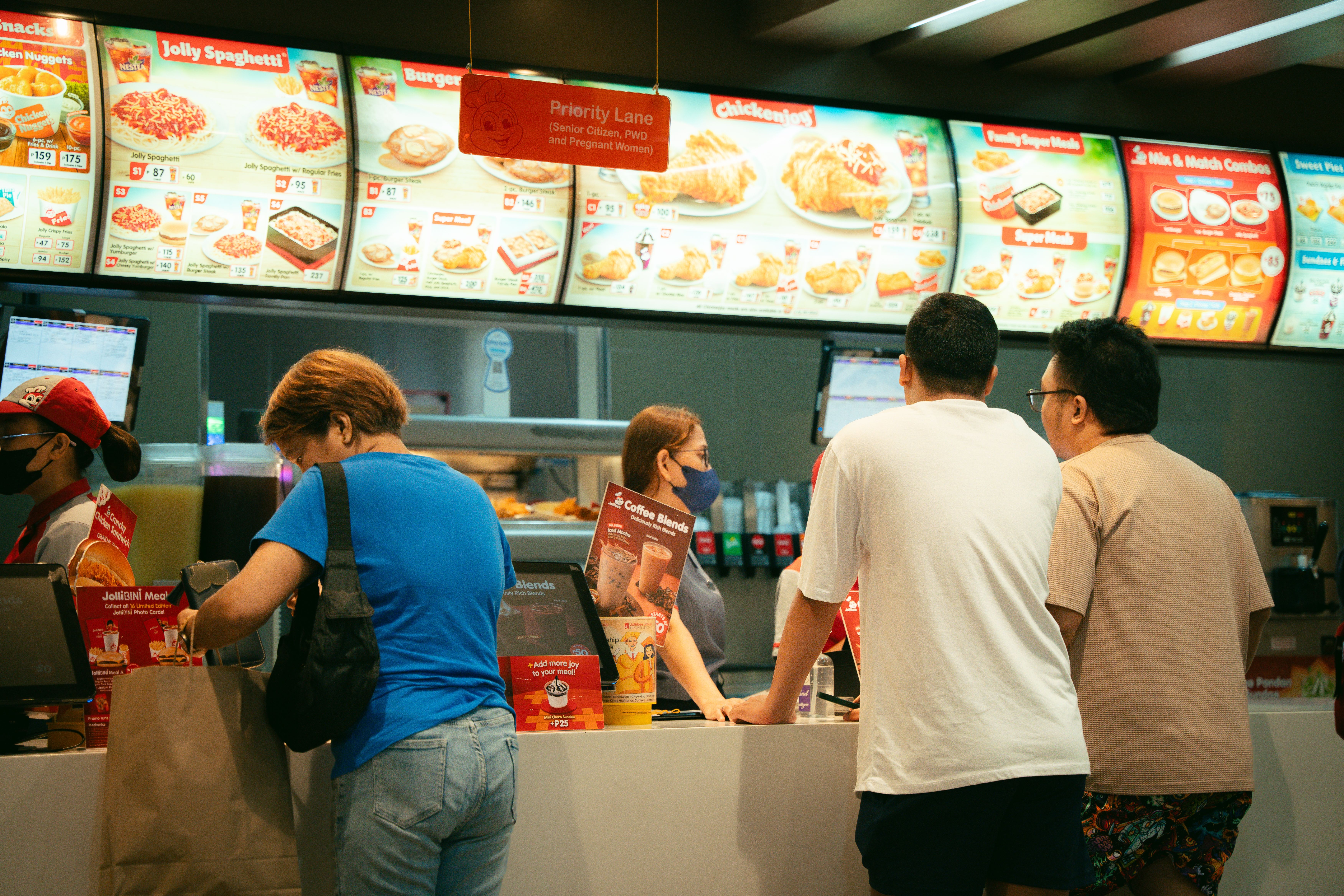
The most useful mindset is to treat menu calories as directional information. They are best for ranking options, spotting obviously heavier choices, and understanding how quickly drinks, sides, sauces, and upgrades add up. They are much less reliable as a promise that your meal contains exactly the posted amount. The system was designed for standardization, not for perfect prediction of every tray, bag, or customized order.
That does not mean the labels should be discarded. It means consumers should read them with the same realism regulators quietly build into the rules. The FDA framework already acknowledges variability through standard-item definitions, ranges for some offerings, and supplemental nutrition disclosures. The nuance exists in the rulebook, even if it disappears on the menu board.
So yes, fast-food calorie counts are often technically accurate. The problem is that technical accuracy describes regulatory compliance, not the full eating experience. For people trying to manage weight, blood pressure, or blood sugar, that difference is not trivial. It is the difference between a number that is correct on paper and a number that feels truthful in life.