
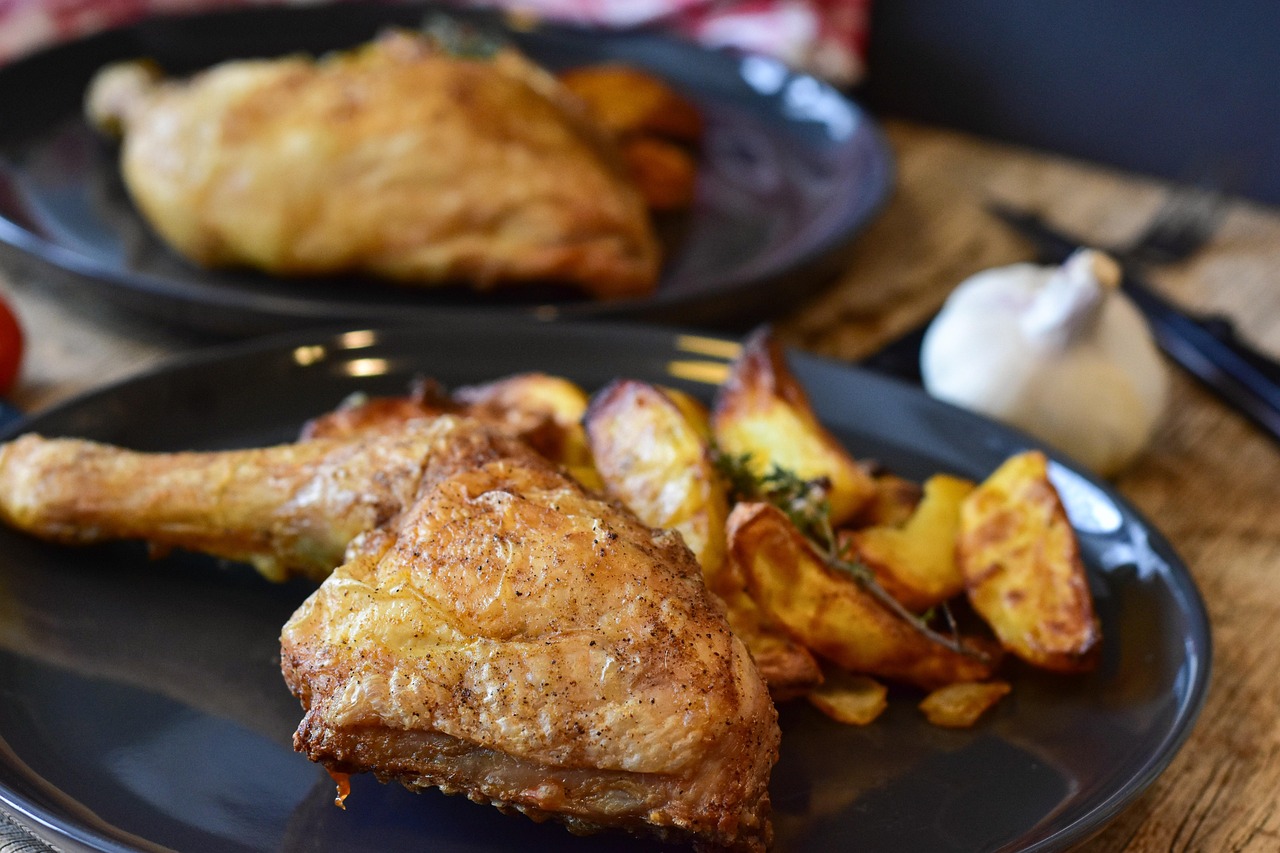
Weeknight cooking changed for me the moment I stopped treating chicken breast as the default. Chicken thighs didn’t just make dinner better; they made it less stressful, more flavorful, and far more repeatable.
The cut that forgives real-life cooking
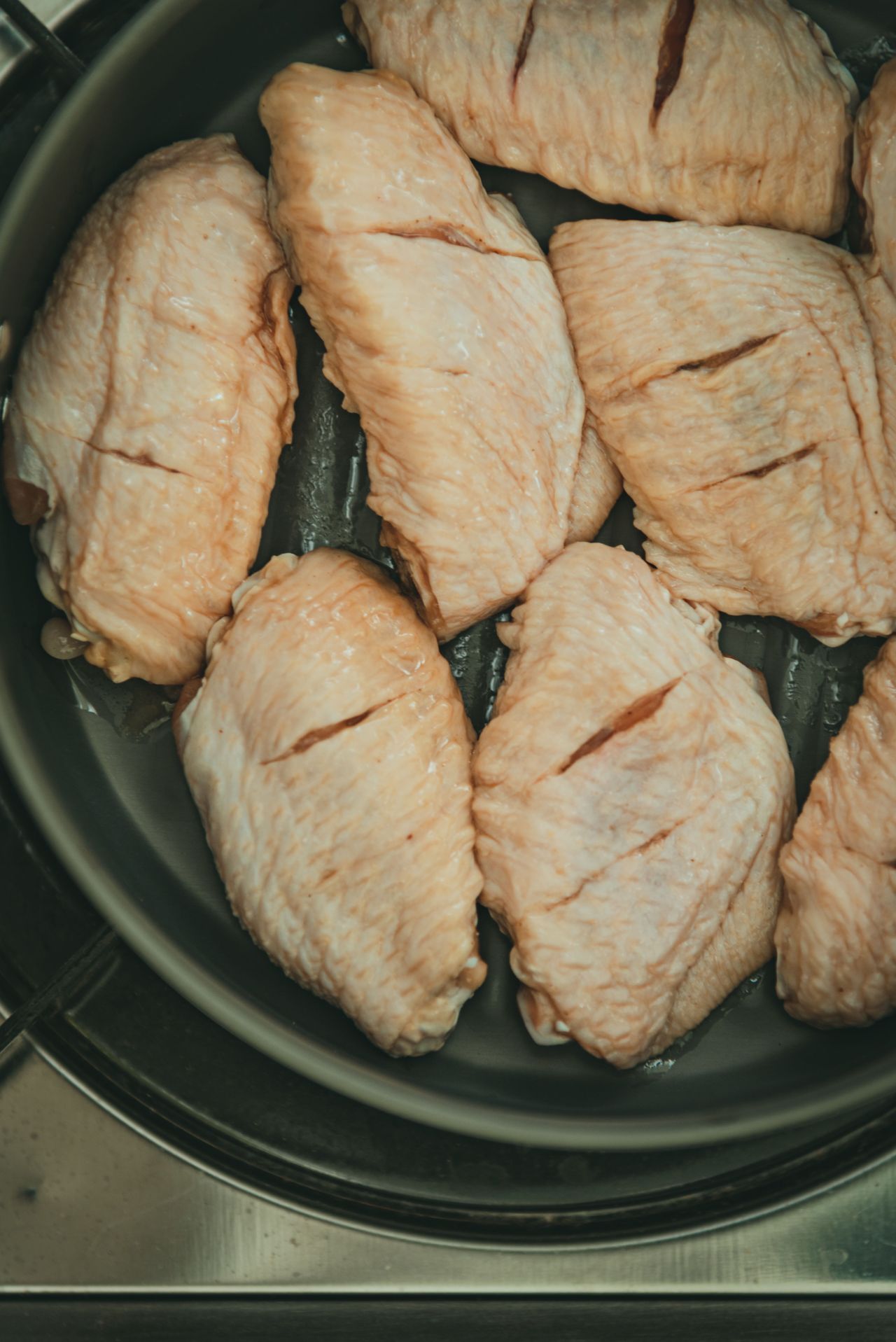
Chicken breast built its reputation on leanness and convenience, but it also punishes distraction. A few extra minutes in a hot skillet can turn it tight, chalky, and forgettable. That matters on a Tuesday night, when dinner is happening between emails, homework help, and a sink full of dishes.
Chicken thighs behave differently because they contain more fat and connective tissue, which helps them stay tender even when the cook time stretches. Bon Appétit has called thighs a natural weeknight staple because of their flavor and adaptability, and that tracks with what many home cooks discover once they stop chasing perfectly timed breasts. The margin for error is simply wider.
That forgiveness changes the emotional math of dinner. Instead of hovering anxiously over the pan, you can toast rice, toss a salad, or help a child with spelling words. The food keeps working with you, not against you, and that reliability is what makes a cut of meat feel genuinely practical.
Why do thighs taste like a bigger payoff
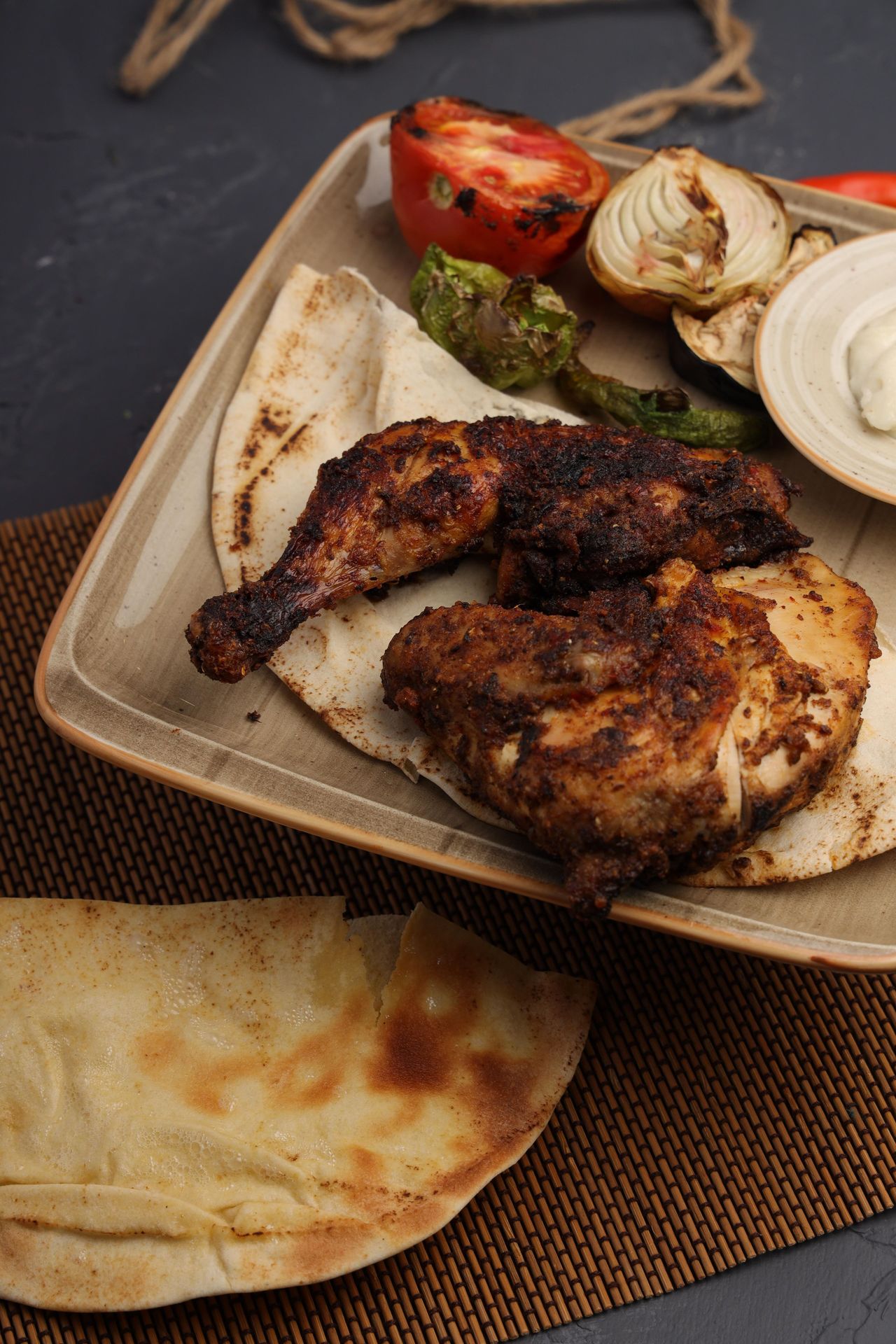
The first time many people switch, what surprises them most is not the moisture but the depth of flavor. Thigh meat is dark meat, and its richer taste comes partly from higher myoglobin levels in the muscles that support standing and walking. Those harder-working muscles deliver a more savory, rounded chicken flavor than the milder breast.
That flavor has structural benefits in cooking. A chicken thigh can stand up to soy sauce, mustard, garlic, cumin, yogurt, or vinegar without disappearing beneath them. Breasts often need extra protection from dryness and a narrower cooking window, while thighs absorb aggressive seasoning and still taste like themselves.
This is one reason thighs show up so often in cuisines built around braising, grilling, roasting, and skillet cooking, from adobo-style preparations to shawarma-inspired marinades. Dark meat rewards bold seasoning and high heat. For the home cook, that means leftovers taste better, pan sauces feel fuller, and a simple dinner of chicken plus vegetables suddenly tastes intentional rather than merely efficient.
The health question is more nuanced than people think
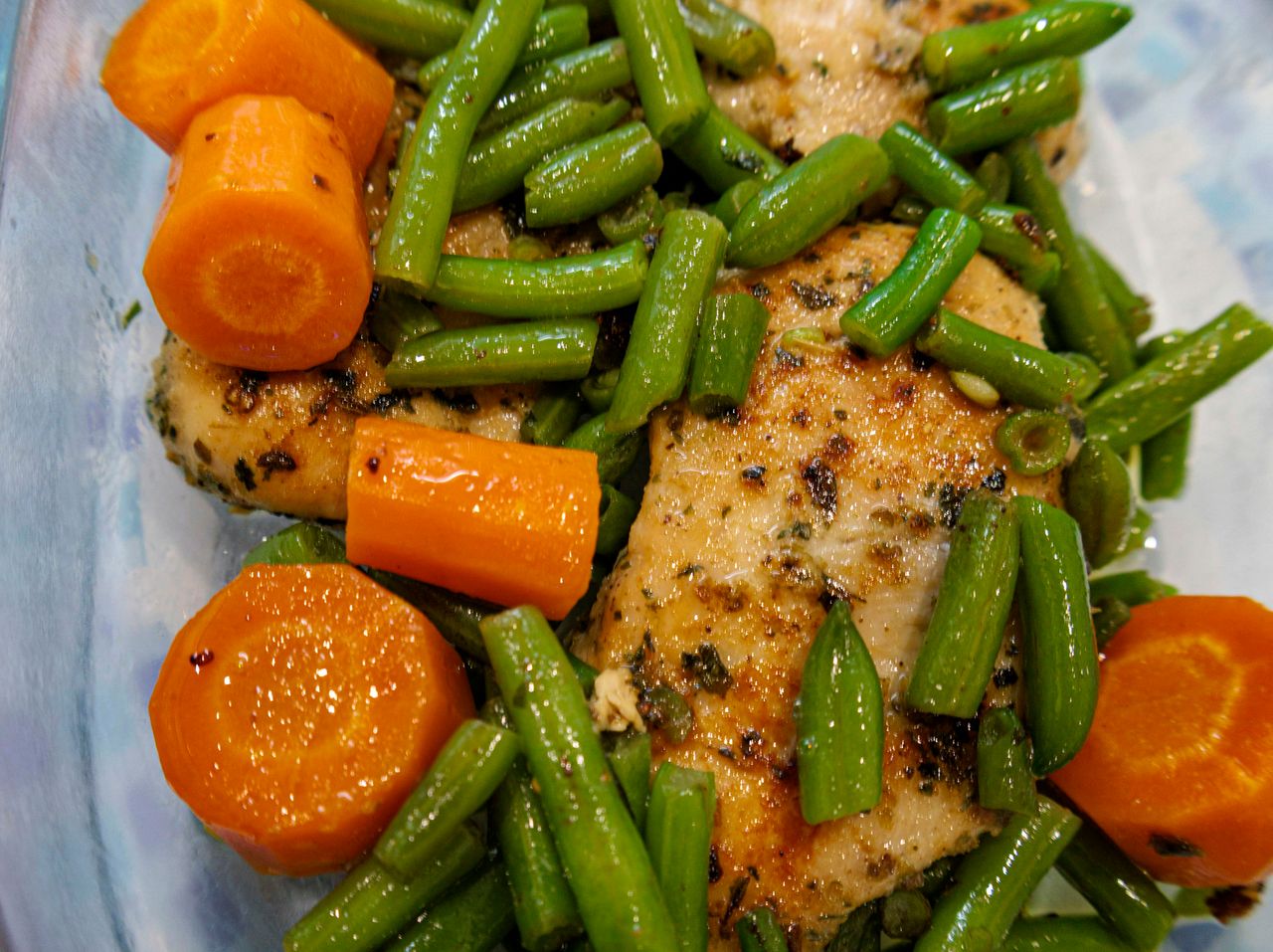
Chicken breast remains leaner, and that matters for people managing calories, saturated fat, or specific heart-health goals. Mayo Clinic advises limiting saturated fat and choosing lean meat and skinless poultry more often, so thighs are not a nutritional free pass. If you are comparing boneless, skinless cuts, breasts will usually come out lower in fat.
But the weeknight question is not simply which cut is leaner. Which cut helps people cook at home more consistently instead of defaulting to takeout, drive-thru meals, or ultra-processed frozen dinners? A satisfying thigh-based meal with vegetables, beans, grains, or salad can still fit into a balanced pattern of eating.
Portion and preparation matter more than internet food tribalism. Skin-on thighs roasted in a pool of butter are one thing; boneless, skinless thighs grilled and served with charred broccoli and brown rice are another. The smarter view is not breast good, thigh bad. It is that different cuts solve different problems, and thighs solve the weeknight problem unusually well.
They make food safety easier, not scarier
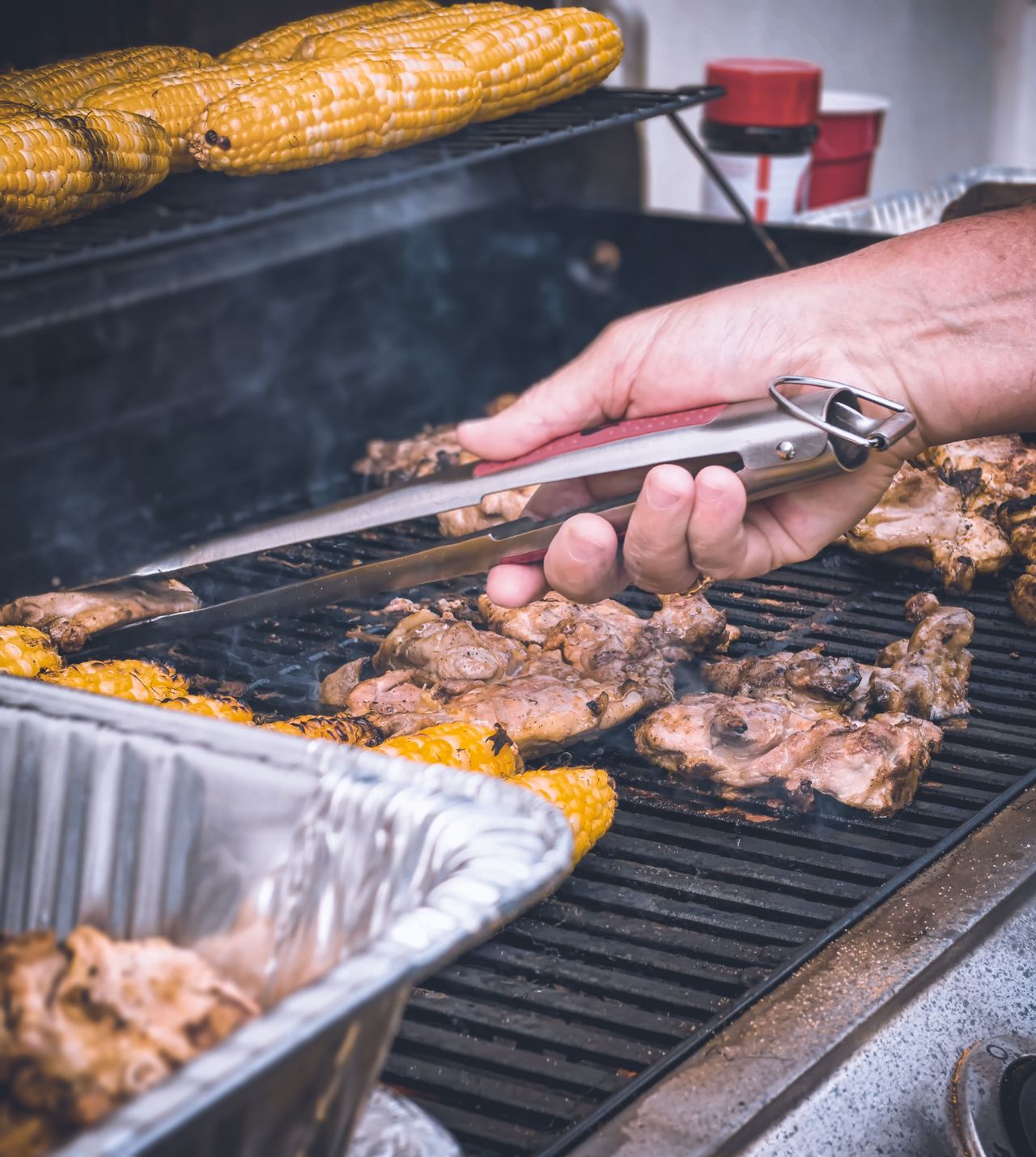
One reason home cooks overcook chicken breast is fear. They know undercooked poultry is unsafe, so they leave it on the heat too long and end up with dry meat. USDA food safety guidance is clear that poultry should reach a safe minimum internal temperature of 165 °F, checked with a food thermometer in the thickest area. That advice applies to both breasts and thighs.
But thighs are more forgiving on the journey to that temperature. If a breast lands a bit above target, the texture can deteriorate quickly. A thigh can hit 165 °F and even continue a little beyond that without turning stringy in the same dramatic way, which lowers the penalty for caution and reduces the odds of wasting dinner.
That has practical consequences. A thermometer becomes a tool for confidence rather than a rescue device after the fact. USDA also notes that color is not a reliable safety indicator, and even darker meat can remain visibly different after cooking. Once you understand that, thighs stop seeming mysterious and start feeling like the safest path to calm, competent chicken.
They changed the way I shop and plan meals

The breast-first shopping habit is deeply ingrained in American cooking, but the market has shifted as more consumers and restaurants have embraced dark meat. The Atlantic reported that thigh prices have climbed over the past several years as demand grew, even at times overtaking breasts. In other words, thighs are no longer a secret known only to restaurant cooks and obsessive home chefs.
Even so, they often remain a strong value because they deliver more flavor per pound and tolerate reheating better. One package can become three distinct dinners: crisped thighs with potatoes one night, sliced into grain bowls the next day, then folded into tacos or soup after that. The leftovers do not feel like punishment.
That flexibility reduces decision fatigue. I no longer shop for one exact recipe and hope the week behaves. I buy thighs because I know they can roast, braise, grill, simmer, or sear, and they can carry almost any seasoning profile already sitting in the pantry. That is not just meal planning. It is kitchen insurance.
What the switch really changed about dinner

In the end, cooking thighs instead of breasts changed more than the protein on my plate. It changed my standard for what a weeknight dinner should do. It should be affordable enough to repeat, flavorful enough to crave, and resilient enough to survive interruptions, imperfect timing, and the ordinary chaos of home life.
Chicken thighs meet that standard better than breasts for most everyday cooking. They encourage higher-heat methods, reward assertive seasoning, and produce leftovers with actual personality. They also reduce one of the biggest barriers to cooking at home regularly: the feeling that a small mistake will ruin the meal.
That is why the change feels permanent. Once dinner becomes easier without becoming dull, it is hard to go back. Chicken thighs taught me that the smartest weeknight ingredient is not always the leanest or most traditional one. It is the one that gives the cook the best odds of success, night after night.