
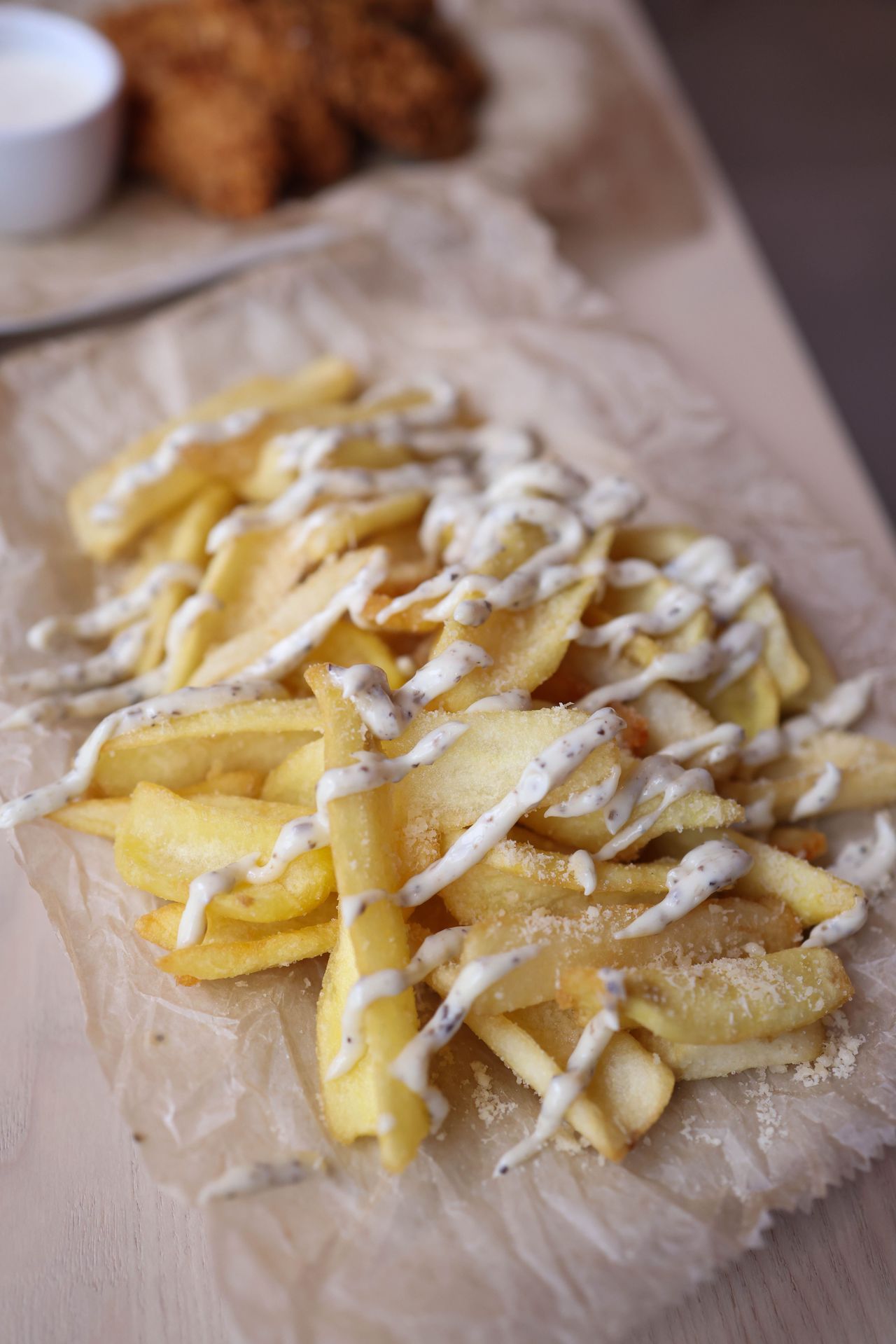
Cold, salty-sweet, and just strange enough to feel irresistible. That is the magic formula behind the French fry popsicle that keeps disappearing the moment it drops.
Novelty desserts usually win on looks and lose on flavor. This one, surprisingly, comes much closer to balancing both.
Why this bizarre frozen treat became impossible to ignore

Food trends now move at the speed of a social scroll, and the French fry popsicle fits that system perfectly. It photographs well, sparks instant curiosity, and triggers the kind of split-second reaction every viral product wants: confusion first, then craving. The visual alone does a lot of the work. A dessert shaped like fries, or flavored to evoke fries, feels playful in a way that practically begs for a taste test.
That matters because limited-edition frozen desserts are already primed for scarcity. Jeni’s, for example, regularly rotates small-batch and seasonal flavors through scoop shops, grocery freezers, and direct shipping, while also leaning into limited releases that often sell out quickly. The company explicitly promotes limited-edition pints through its app and online shop, and multiple current and archived flavor pages are marked sold out, underscoring how quickly demand can outrun supply.
Scarcity does not create a craze by itself, though. The real engine is novelty with just enough culinary logic to sound plausible. Sweet-and-salty desserts have been mainstream for years, from salted caramel to olive oil gelato to fries dipped in milkshakes. A French fry popsicle sounds absurd only until you remember how often diners already pair potatoes with something creamy, cold, and sweet.
What it was actually like to take the first bite
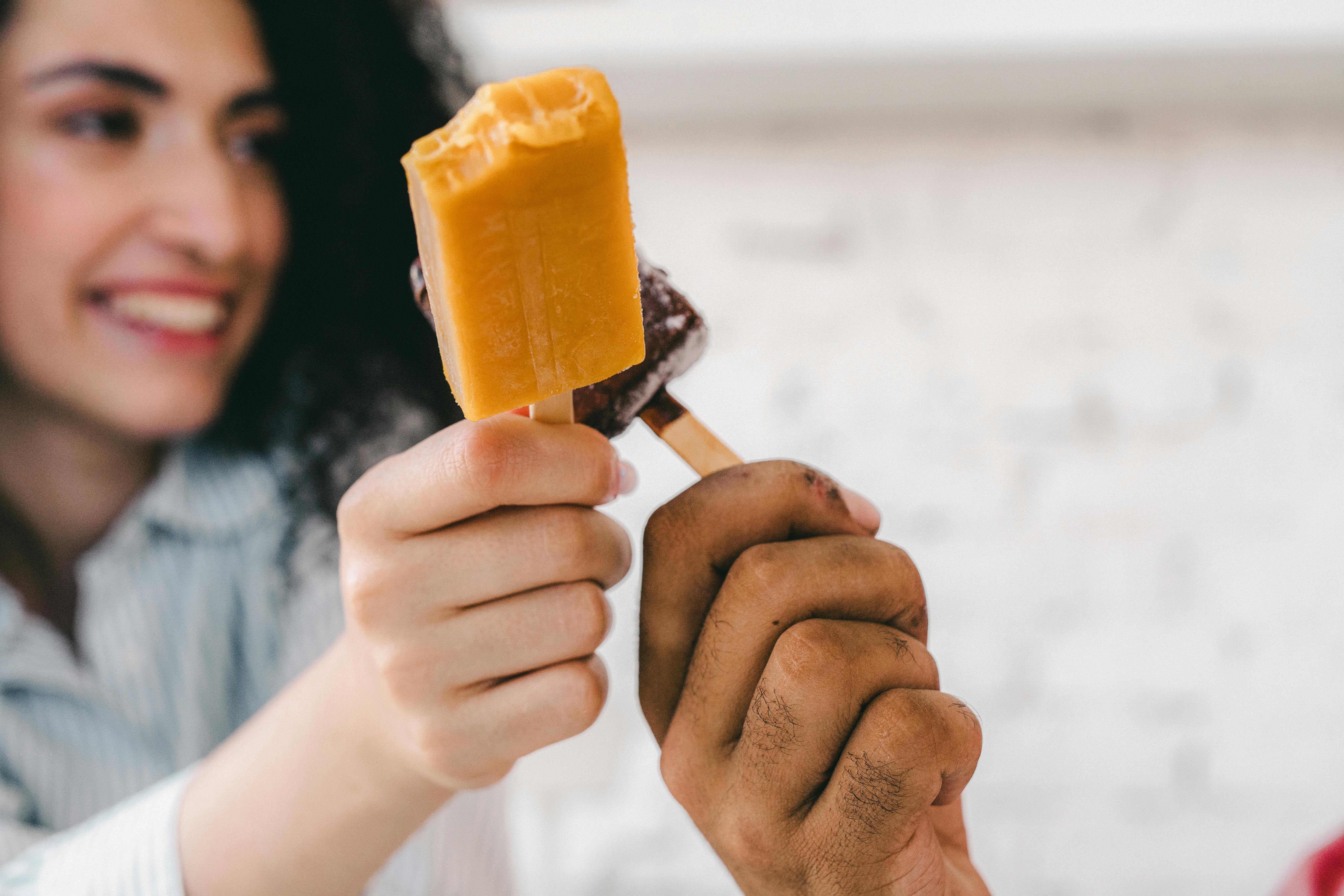
The first surprise was not the flavor. It was the aroma. Before the popsicle even touched my tongue, it gave off a buttery, dairy-rich scent with a faint toasted note that suggested waffle cone, browned milk solids, or even lightly fried dough rather than a basket of hot fries. That distinction matters because the name sets up one expectation while the product delivers something more nuanced and dessert-forward.
Texture is where the experience really earns its intrigue. A gimmick treat can get away with one punchline, but a repeat-purchase item needs contrast. Here, the appeal comes from the tension between creamy coldness and the suggestion of something savory. If the exterior leans smooth and rich while the flavor carries a whisper of salt, the brain keeps toggling between snack and dessert, never fully settling into either category.
That ambiguity is exactly why it works. It does not taste like ketchup and potatoes on a stick, and thankfully it never tries to. Instead, it borrows the emotional memory of fries, especially the way hot fries become more addictive when salt and fat hit at once, then translates that memory into a frozen format. The result is less stunt food than flavor illusion.
The sweet-salty science behind why it works so well

There is a reason this kind of dessert feels bigger than the sum of its parts. Salt amplifies sweetness, rounds bitterness, and creates a dimension that straight sugar cannot achieve alone. In frozen desserts, especially, a saline note can sharpen flavor perception, helping a cold product taste fuller and less flat. That is why so many modern premium ice creams use salt not as a gimmick, but as structure.
There is also the matter of expectation. When people hear “French fry popsicle,” they imagine either a joke or a dare. That low expectation can become an advantage if the actual flavor lands somewhere elegant. The consumer experiences a reversal: what seemed ridiculous suddenly feels cleverly engineered. That emotional pivot is powerful, and it helps explain why a novelty launch can graduate into a sought-after product.
Brands have learned that modern customers reward boundary-crossing food when it still tastes intentional. We have seen that across frozen desserts, from character bars and crossover flavors to limited collaborations that vanish in minutes. Delish, for instance, recently noted that Salt & Straw’s limited-run Chocolate Taco returned in 2022 and sold out in mere minutes, proof that a familiar format plus novelty framing can produce genuine demand rather than empty buzz.
Is it genuinely delicious or just a social media stunt

After trying it, I would not dismiss it as stunt food. But I also would not pretend it is a universal crowd-pleaser. This is a dessert for people who enjoy tension in flavor: sweet against salty, creamy against savory, familiar against weird. If your ideal frozen treat is clean, classic vanilla or straightforward fruit, this may feel like too much concept and not enough comfort.
For adventurous eaters, though, the appeal is real. The best bites are the ones that make you pause and recalibrate. You think you know where the flavor is heading, then a salty edge, a toasted note, or a creamy finish shifts the whole profile. That kind of complexity is rare in products marketed mainly through hype. Most viral foods flatten after the first bite. This one builds.
What impressed me most was restraint. A lesser version would hammer the fry idea with artificial potato flavor or exaggerated salinity. A smarter version, the one worth selling out repeatedly, uses the fry concept as inspiration rather than literal translation. That keeps the dessert in the realm of craveable food instead of novelty theater.
Why the sold-out status makes sense in the current dessert market
The frozen dessert category has become one of the strongest homes for limited-edition experimentation. It is relatively low-risk for brands, highly photogenic, and emotionally easy for shoppers to justify. A customer might not gamble on a full pantry overhaul, but they will absolutely spend on a single pint or novelty pop that promises a story. In that sense, the French fry popsicle is not an outlier. It is a near-perfect modern product.
Jeni’s broader retail model helps explain the environment that allows this behavior to flourish. The brand says its best-selling and limited-edition flavors are stocked in thousands of grocery store freezers nationwide, while also offering local pickup, shop exclusives, and nationwide shipping. That mix creates multiple points of scarcity at once: regional availability, short seasonal windows, and online sellouts.
Consumers now read sold out as a recommendation. It signals that a product is worth chasing, even before they know whether they will love it. That psychology can be overplayed, but in the best cases it reflects a real equation: distinctive concept, polished execution, and a brand with enough credibility to make people trust the weird idea. This popsicle checks all three boxes.
My final verdict on the French fry popsicle craze

I get it now. The French fry popsicle is not brilliant because it tastes exactly like fries. It is brilliant because it captures the pleasure architecture of fries, salt, fat, nostalgia, indulgence, and a touch of excess, and rebuilds it as dessert. That is a much smarter idea than the name initially suggests.
Would I buy it again? Yes, though not as an everyday freezer staple. It works best as an event dessert, the thing you pull out when friends are over, when everyone wants a bite, an opinion, and maybe a second taste just to be sure. That social energy is part of the product’s appeal, and brands know it.
Still, the hype would collapse quickly if the flavor were bad. In the end, that is the clearest sign this sold-out phenomenon has substance. The French fry popsicle may begin as a conversation piece, but it survives because it understands something essential about modern indulgence: people want surprise, but they also want craft. This one delivers both.