
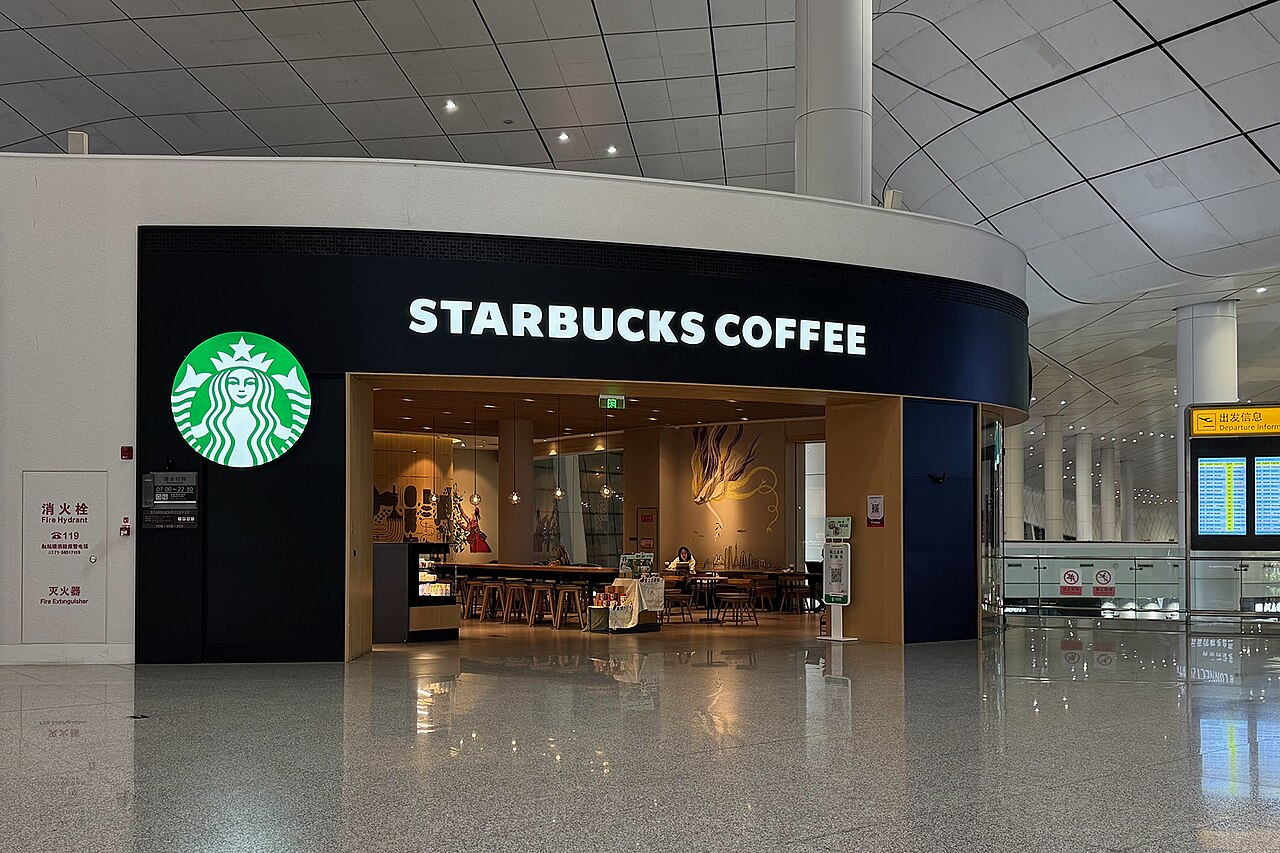
Starbucks is constantly rolling out something new, and that is not an accident. In today’s beverage business, invention is not a side project; it is the engine that keeps customers curious, stores busy, and the brand in the conversation.
The result is a company that behaves less like a traditional coffee chain and more like a consumer products lab with espresso machines. Every new cold foam, Refresher, seasonal latte, or energy drink says something about where Starbucks thinks the market is heading next.
New drinks are one of Starbucks’ most reliable traffic engines
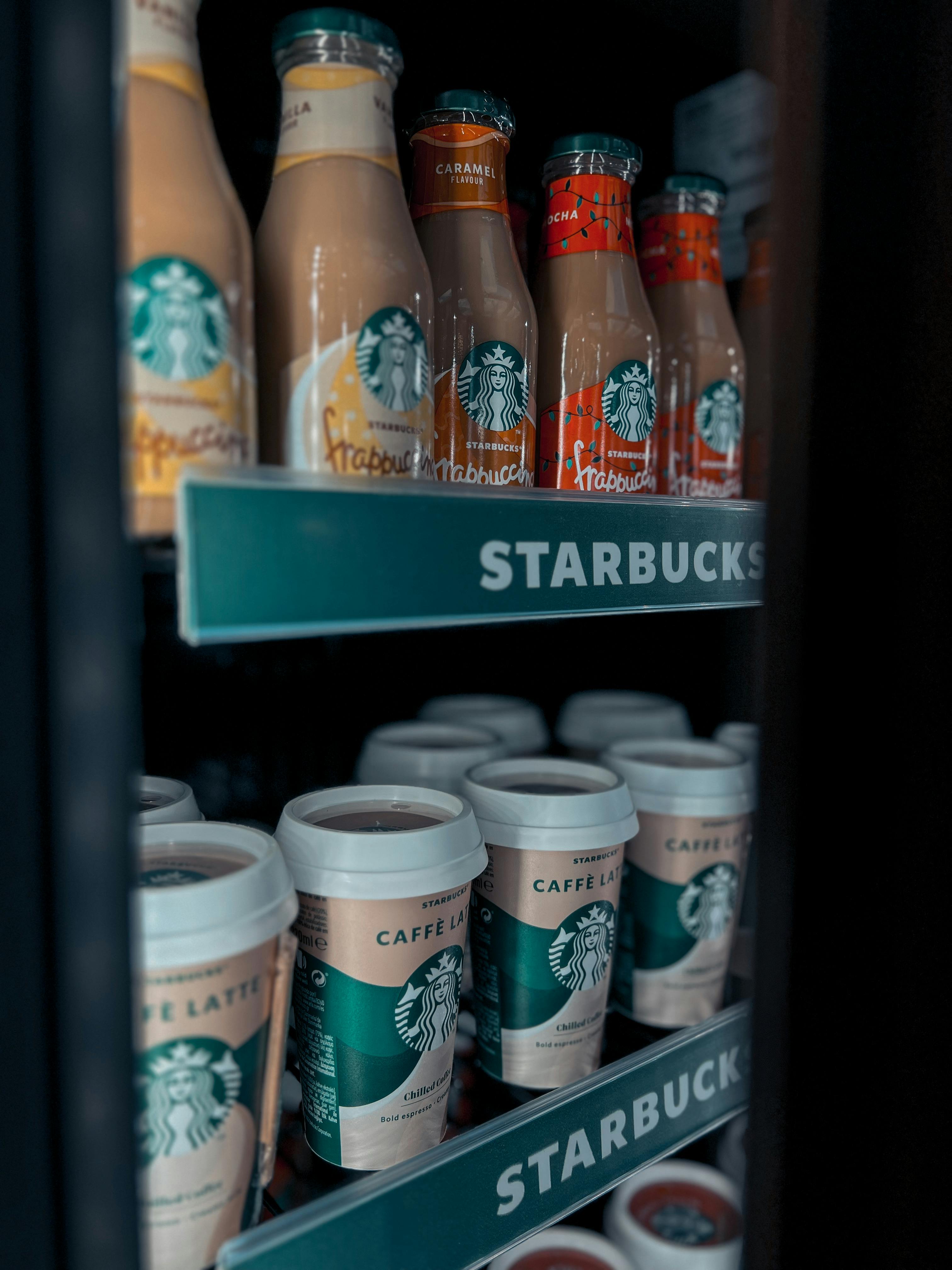
For Starbucks, beverage innovation is not a decorative layer on top of the business. It is one of the clearest ways to get people through the door, especially in a market where coffee alone is no longer enough to guarantee daily visits. Seasonal launches and limited-time beverages create urgency, while permanent additions help Starbucks build entirely new habits around new occasions, flavors, and dayparts.
That logic has only intensified as cold beverages have become central to the company’s growth. Starbucks said in February 2026 that cold beverages account for roughly 60% of its international beverage sales, a sign of how far the business has moved beyond the old image of a mostly hot-coffee chain. Restaurant Dive, citing company figures, reported that cold coffee had already reached about 70% of Starbucks beverage sales by 2022, showing that the shift has been building for years.
Innovation also creates headlines that ordinary menu maintenance never will. The launch of Starbucks Iced Energy in June 2024 was described by company leadership as one of the brand’s biggest beverage introductions in decades, because it was not just a new flavor but a push into a new category. That matters: when a company of Starbucks’ size wants to expand, it has to find growth beyond espresso drinks and the annual Pumpkin Spice Latte cycle.
Even when new drinks look playful, they often serve a hard business purpose. A raspberry cold foam, a cherry chai, or a new Refresher can revive afternoon traffic, attract younger customers, or prompt social sharing that functions as free advertising. The drinks business is increasingly a “visit driver” all by itself, as Axios reported in April 2026 while describing intensifying beverage competition across fast food and coffee chains.
That is why Starbucks keeps inventing. In a crowded market, novelty is not a gimmick. It is a recurring sales event, a loyalty tool, and a way to remind customers that the menu is alive.
The real product is often customization, not the base drink

One reason Starbucks can keep producing “new” beverages without reinventing its entire kitchen is that many launches are really new frameworks for personalization. A drink may arrive as a named menu item, but its larger value is that it introduces a fresh syrup, topping, foam, milk option, or format that can spread across the rest of the menu. The company is selling combinations as much as beverages.
Cold foam is the clearest example. CNBC reported that since Starbucks rolled cold foam out nationally in 2018, it has become one of the most popular modifications customers can make. Starbucks said in August 2025 that cold foam sales had risen 23% year over year and that the add-on was appearing in one out of every seven beverages. Those numbers explain a lot about why the chain keeps building more drinks around flavored foams rather than abandoning them as a passing fad.
Customization is lucrative because it raises tickets without requiring a totally new beverage architecture. Restaurant Dive reported that drink customizations generated about $1 billion in revenue for Starbucks in 2022. That means a new modifier can be more valuable than a whole new standalone drink if it encourages millions of customers to add one extra premium element to an existing order.
Starbucks has been explicit about this strategy. On its April 2024 earnings call, executives said the company planned to add up to five sugar-free customization options, which they said would create a lower-calorie option for approximately 80% of beverages. In other words, innovation is often about widening the menu’s possible permutations rather than replacing one drink with another.
This helps explain why the menu can feel endless even when the ingredient set is tightly managed. A new cold foam, a fresh fruit base, a seasonal chai twist, or a nondairy topping can instantly generate dozens of customer-created variations. Starbucks does not merely launch drinks; it launches ingredients that customers can turn into their own signature orders.
Starbucks is chasing culture, not just coffee

The company’s menu pipeline increasingly reflects a broader truth about the beverage market: people now look to drinks for identity, wellness cues, indulgence, and trend participation. Starbucks has to respond to what people want to signal when they hold the cup, not just what tastes good at 8 a.m. That is why the company keeps moving into adjacent spaces such as energy, protein, matcha, fruit-forward refreshers, and globally influenced flavors.
The Iced Energy launch in 2024 was a textbook example of Starbucks reading outside the coffee category. Company materials tied the move to growth in the broader energy-drink business, and Reuters-linked reporting summarized it as an attempt to create an entirely new beverage category inside Starbucks stores. More recently, the company has leaned into protein as a menu idea rather than a niche add-on. Starbucks said in 2025 that protein cold foam offered 15 grams of protein, while CNBC cited Datassential research showing that roughly a third of U.S. consumers said they loved high-protein foods and beverages in the second quarter of 2025, up from 24% three years earlier.
Trend responsiveness also shows up in the brand’s testing culture. Starbucks said its “Starting 5” innovation program uses a handful of stores to trial ideas and collect feedback from both customers and baristas before broader rollouts. That process has been used for drinks like Coco Matcha and Coco Cold Brew, which were tested in New York City before expansion.
What looks from the outside like relentless experimentation is, from Starbucks’ perspective, a form of cultural listening. The company watches what is happening in grocery aisles, on TikTok-inspired menus, in functional beverages, and across rival chains, then tries to translate those signals into drinks that can be executed at scale.
That also means some inventions are about relevance as much as longevity. A buzzy drink does not have to become a permanent classic to do its job. Sometimes it only needs to capture a moment, prove Starbucks understands the trend cycle, and bring customers back to see what is next.
The menu has become a battleground between excitement and simplicity
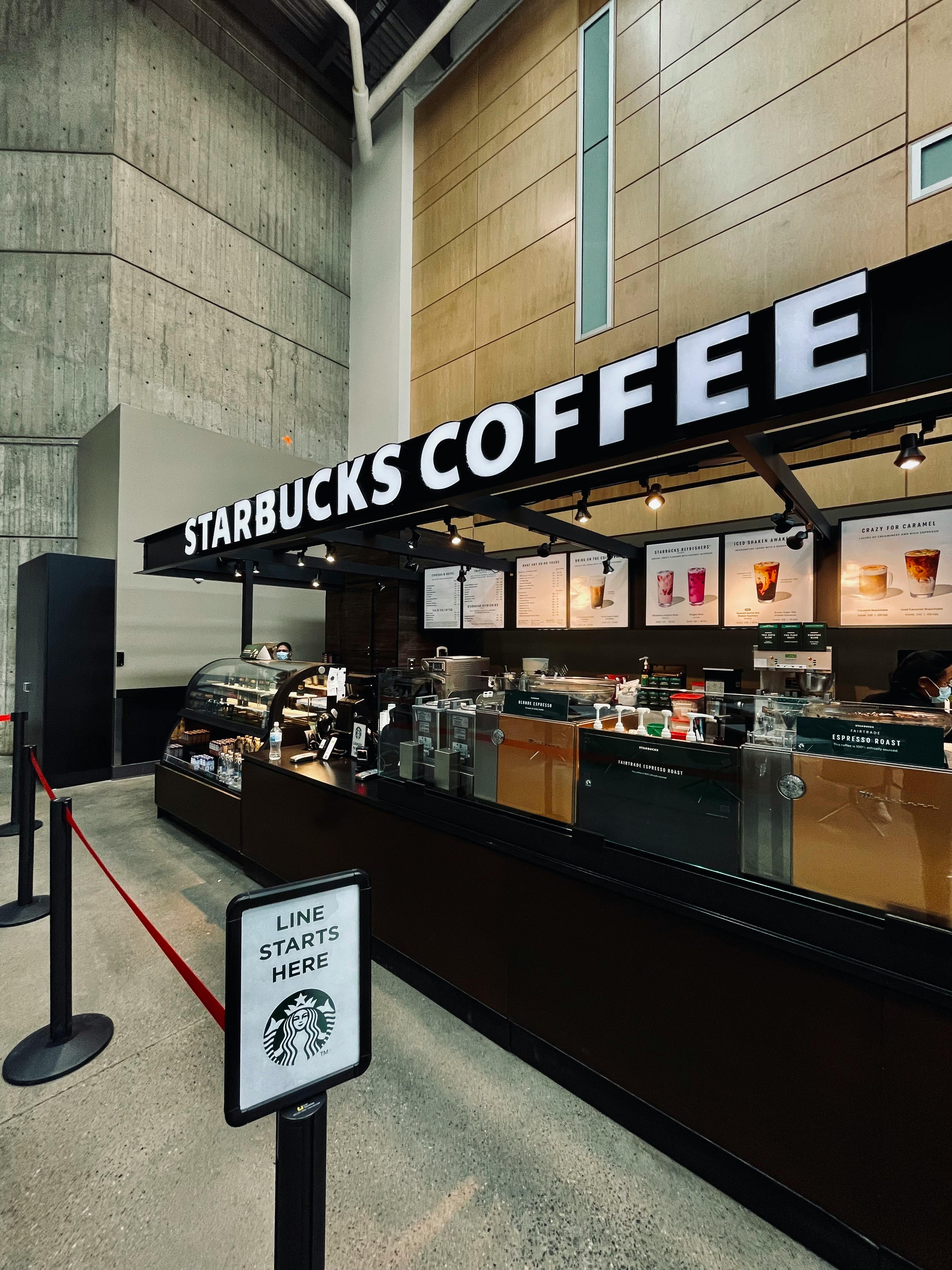
The most revealing thing about Starbucks’ innovation machine is that the company now openly admits it can go too far. In 2025, management said it would cut roughly 30% of the menu as part of an effort to reduce complexity, improve speed, and make room for more disciplined innovation. That sounds contradictory until you understand the distinction Starbucks is trying to make: fewer weak items, more impactful launches.
This is partly an operational problem. Every added drink creates training needs, ingredient handling issues, sticker complexity, and more room for inconsistency during rush periods. Starbucks’ own descriptions of the Siren Craft System and updated beverage sequencing show how much engineering now goes into making a complicated drink menu executable. The company’s 2025 Green Apron Service push and the launch of Green Dot Assist, a generative AI tool for baristas, also underscore how much support stores need to keep up with evolving beverage lineups.
The Oleato line illustrates the risks. Starbucks launched the olive oil-infused beverages nationally in the United States in January 2024 as a bold, category-stretching idea. By October 2024, Axios reported that the company was cutting the line ahead of its holiday menu, a sign that not every innovation survives contact with customer habits and operational realities.
What Starbucks seems to have learned is that invention cannot just be attention-grabbing. It has to be repeatable, understandable, and worth the assembly burden inside the store. That is why recent strategy language from the company emphasizes a more “disciplined” innovation pipeline spanning coffee, espresso, matcha, chai, Refreshers, and food rather than endless one-off stunts.
So Starbucks is not simply inventing more drinks than before. It is trying to invent smarter ones, even as it trims the surrounding menu. The tension between novelty and simplicity may be the defining challenge of the brand’s next chapter.
Starbucks keeps inventing because the brand depends on staying ahead of habit

At its core, Starbucks is in the business of routine. People return because they want something familiar, fast, and emotionally dependable. But routine alone can turn a premium brand stale. To remain distinctive, Starbucks has to keep layering surprise on top of habit, offering just enough novelty to make the daily ritual feel current rather than repetitive.
That balance is especially important because Starbucks is competing on far more than coffee quality. It is competing with convenience stores, energy drinks, bubble tea chains, fast-food beverage platforms, and grocery products designed for the same cravings. Axios reported in 2026 that major chains are increasingly treating beverages as a strategic growth arena, not a side category. In that environment, standing still would be its own risk.
The company’s recent results suggest that successful beverage innovation still has real power. Starbucks said in its fiscal 2025 results that protein cold foam and protein lattes were early proof points in its turnaround, while executives highlighted continued growth in cold beverages, customization, and protein-forward offerings into fiscal 2026. The company also said Starbucks Rewards drove nearly 60% of U.S. company-operated revenue in fiscal 2025, which helps explain why launches that energize loyal members matter so much: they can move a huge existing customer base quickly.
Seen that way, Starbucks’ constant stream of new drinks is not evidence that the brand lacks focus. It is evidence that beverage innovation has become the company’s most flexible language for growth. New drinks can answer cultural trends, fill sales gaps, justify premium pricing, create social buzz, feed the rewards ecosystem, and remind customers that Starbucks still sets the pace in mainstream coffeehouse culture.
That is why Starbucks cannot stop inventing new drinks. It is not merely serving beverages. It is constantly refreshing the reasons people choose Starbucks in the first place.
Асфальтирование: что важно учесть перед началом работ Асфальтирование кажется простой задачей только на первый взгляд: привезли смесь, разровняли, укатали — и покрытие готово. На практике срок службы асфальта зависит не только от самой смеси, но и от подготовки основания, правильной толщины слоев, водоотвода, уплотнения и соблюдения технологии. Если ошибиться на одном из этапов, покрытие может быстро просесть, потрескаться или начать разрушаться после дождей и морозов. Подготовка основания Основание — главный элемент будущего покрытия. Если грунт слабый, плохо уплотнен или под асфальтом остается рыхлый слой, покрытие не выдержит нагрузку. Со временем появятся колеи, ямы и просадки. Поэтому перед укладкой важно снять слабый грунт, выровнять площадку, сделать подушку из щебня или другого подходящего материала и хорошо ее уплотнить. Для пешеходной дорожки требования будут одни, для парковки — другие, а для проезда грузового транспорта — значительно выше. Чем больше нагрузка, тем прочнее должно быть основание и тем внимательнее нужно подходить к толщине каждого слоя. Толщина асфальта и назначение покрытия Перед началом работ нужно понимать, как именно будет использоваться участок. Если это двор частного дома, подъездная дорога, парковка или промышленная территория, требования к покрытию будут разными. Нельзя выбирать толщину асфальта только по принципу “чем дешевле, тем лучше”. Слишком тонкий слой может быстро разрушиться даже при нормальной эксплуатации. Важно заранее обсудить с подрядчиком, какая нагрузка будет на покрытие, будут ли по нему ездить тяжелые автомобили, как часто будет использоваться площадка и какие слои будут заложены в смету. Это помогает избежать ситуации, когда покрытие выглядит аккуратно сразу после укладки, но через сезон требует ремонта. Водоотвод и уклоны Одна из частых причин разрушения асфальта — застой воды. Если на поверхности остаются лужи, вода постепенно проникает в микротрещины, размывает основание и ускоряет появление дефектов. Особенно это заметно после зимы, когда вода замерзает, расширяется и разрушает покрытие изнутри. Поэтому еще до укладки нужно продумать уклоны, направление стока воды, ливневки, водоотводные лотки или другие решения. Хороший подрядчик должен не просто уложить асфальт, а сразу понимать, куда будет уходить вода после дождя или таяния снега. Качество смеси и укладка Асфальтовая смесь должна соответствовать задаче. Для разных условий применяются разные составы, и универсального решения для всех объектов нет. Важно, чтобы смесь была доставлена и уложена при подходящей температуре. Если асфальт остынет до завершения уплотнения, он хуже уплотнится и быстрее начнет крошиться. Также имеет значение равномерность укладки. Слой должен быть распределен без резких перепадов, пустот и слабых участков. После этого покрытие уплотняют катком. Именно уплотнение влияет на плотность, прочность и устойчивость асфальта к нагрузкам. На что смотреть в смете При выборе подрядчика не стоит ориентироваться только на итоговую цену. Важно смотреть, что именно входит в стоимость работ. В смете должны быть понятны этапы: подготовка основания, материалы для подушки, толщина слоев, доставка смеси, укладка, уплотнение, формирование уклонов и дополнительные работы при необходимости. Если в смете указана только общая сумма без детализации, сложно понять, на чем подрядчик может сэкономить. Часто низкая цена означает уменьшенную толщину слоя, слабую подготовку основания или отсутствие нормального уплотнения. В итоге экономия на старте может привести к дополнительным расходам на ремонт. Как выбрать подрядчика Хороший подрядчик должен задавать вопросы по объекту: какая площадь, какая нагрузка, какой грунт, есть ли старое покрытие, куда уходит вода, будет ли движение тяжелой техники. Если исполнитель сразу называет цену без осмотра и уточнений, это повод насторожиться. Также стоит обратить внимание на наличие техники, опыт похожих работ, понятную смету и готовность объяснить технологию. Для асфальтирования важны не только материалы, но и организация процесса: подготовка, доставка смеси, скорость укладки и качество уплотнения должны быть согласованы между собой. Итог Качественное асфальтирование — это не просто верхний слой асфальта, а целая система: прочное основание, правильная толщина покрытия, продуманный водоотвод, подходящая смесь и качественное уплотнение. Если все этапы выполнены правильно, покрытие дольше сохраняет форму, выдерживает нагрузку и требует меньше ремонта. А на что вы в первую очередь смотрите при выборе подрядчика для асфальтирования — цену, опыт, технику, гарантию или подробность сметы? Какая оптимальная [url=https://forum.sportmashina.com/index.php?threads/ukladka-asfalta.33035/]цена на укладку асфальта[/url]