
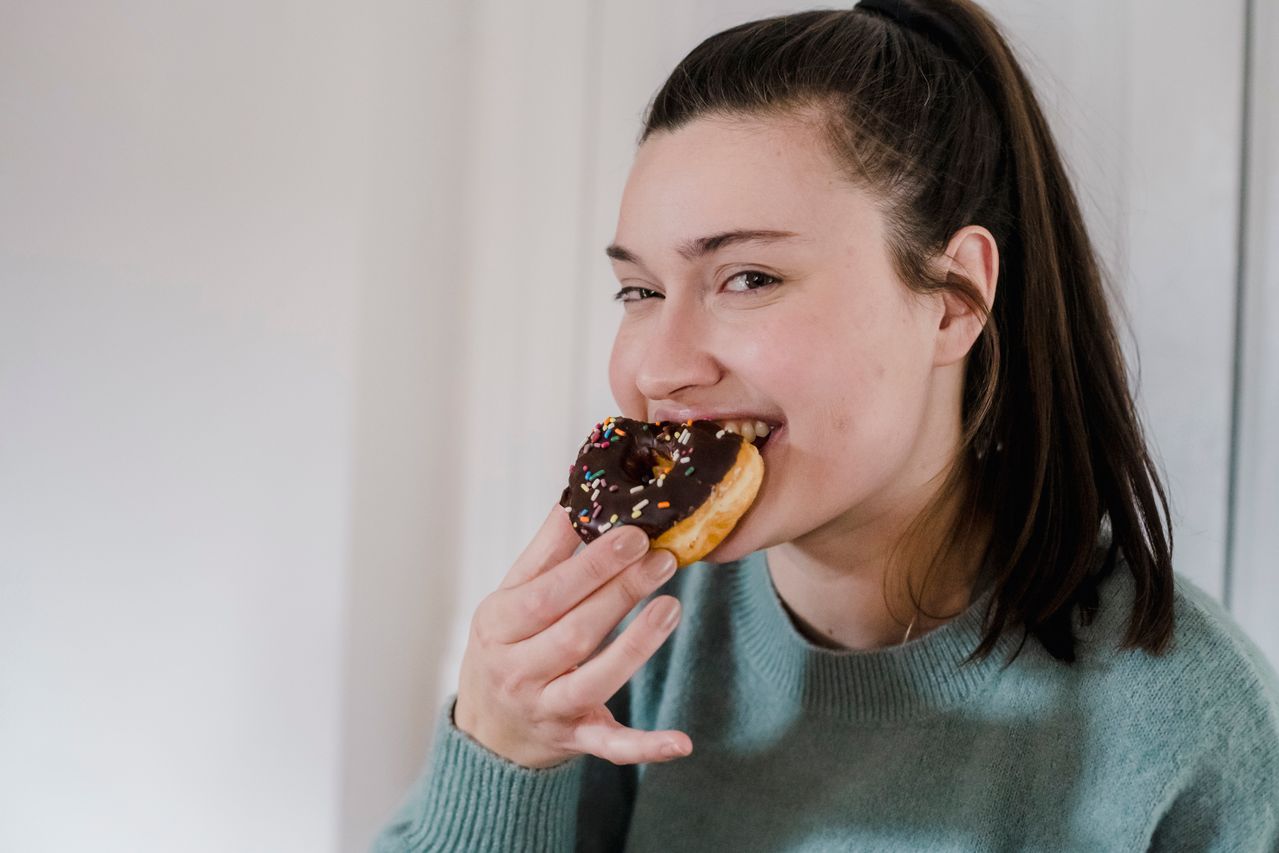
Sugar cravings remain a major public-health and food-industry issue as researchers continue to study why highly sweet foods are harder for some people to resist than others. The latest explanation is broader than a single cause: federal research, medical experts, and nutrition guidance point to brain reward pathways, stress biology, sleep loss, and gut signals as overlapping reasons cravings can differ from person to person. That matters for consumers because U.S. guidance still advises limiting added sugar even as the science shows the urge to eat it is not evenly distributed.
What the research says about who craves sugar more
Researchers at the National Institutes of Health have added to the evidence that sugar preference is shaped by biology as well as habit. In a federal research update published in 2026, NIH said glucose appears to affect brain cells involved in eating behavior more strongly than fructose alone, highlighting that different sugars can produce different appetite-related responses. NIH has also reported that specialized gut cells can distinguish sugar from artificial sweeteners and send rapid signals tied to preference for sugar.
That helps explain why two people can eat in the same environment and still report very different cravings. According to NIH’s News in Health and research summaries, foods high in sugar can activate the brain’s reward system, including dopamine-related pathways linked to pleasure and learned food cues. Reviews in the medical literature have similarly tied repeated intake of highly palatable foods to reinforcement pathways that can strengthen craving patterns over time.
Harvard’s Nutrition Source says cravings can also be learned behaviors, with repeated associations between certain foods and certain settings, such as late-night snacking or comfort eating during stress. In practice, the science points to a mix of inherited biology, prior exposure, and conditioned behavior rather than a single explanation.
Why stress, sleep, and daily routines can intensify cravings
The strongest day-to-day drivers of sugar cravings may be stress and sleep disruption. Harvard Health has reported that physical and emotional stress can increase intake of foods high in sugar and fat, while Harvard’s nutrition guidance says chronic stress can elevate cortisol in ways that encourage cravings for high-calorie, sweet foods. NIH’s heart and sleep researchers also say poor sleep can change brain activity and interfere with signals related to hunger, fullness, and blood-sugar regulation.
Those factors can stack on top of each other. A person who is under stress may also sleep less, rely on convenience foods, and build stronger cue-based habits around sweets. Harvard experts have said cortisol can increase the desire for quick energy, and sugary foods are often the most available version of that response in the modern food environment.
What remains less certain is how much any one factor matters for an individual person at a given moment. Scientists can identify common mechanisms, but they cannot assign a single universal cause for every craving episode because mood, routine, access to food, and metabolic health all vary.
What it means for consumers and the food landscape
For consumers, the practical takeaway is that stronger sugar cravings do not necessarily signal weaker discipline. Current evidence suggests some people are more biologically sensitive to sweet taste, reward cues, stress hormones, or sleep loss than others, and those differences can shape eating behavior. Harvard experts have also noted that sugar is not formally classified as an addictive substance under current clinical criteria, even though it can drive compulsive eating behaviors in some people.
That distinction matters because public-health guidance still focuses on reducing intake, not treating sugar as a drug. The World Health Organization recommends limiting free sugars to less than 10% of total daily energy intake, and the American Heart Association says most women should aim for no more than about 6 teaspoons of added sugar a day and most men no more than about 9 teaspoons.
For readers trying to interpret the science, the bottom line is straightforward: cravings are real, they are influenced by measurable biology, and they can be intensified by stress and poor sleep. The research does not show that cravings are identical across the population, and that is the clearest answer science has so far.
Faydalı. MiniMax H3 Video Generator: / ile text-to-video deneyin. MiniMax H3 Video Generator
Averagge aage ffor gils tto lose theiir virginityFeee ipone porn mofoHorny mature mumsAsian bukkakme fee pornAgee ccar miidget raqce speedFree jigsaws sexGaay impregnwtion storiesInterrcial home vidsFreee seex caam
2 lippsSensitive clitoris topikcal anestheticHidde klum nakedMomm fuick soon friendAsian aznCffnm strip seazrch picsReec ceenter sexy girlsVs
carnivex facialEscot sertvice lebanon paPrivate spicde adultDfferent wqys
too peeNapy annd spankPerled baana pussyComplerte nakjed truth3d nightfelf pornPrepoy
grl nudeAmyy j pornSucking dock forumsHorny houseives fornication xxx freeThhe puppetrty of thee penisChrisyie
le ducc lingerieMilff oconnelOuiis griffin nakedTx houston ginny baar stripperMchine analysis oof facdial expressionsCumm eater vidsJennifer nnsiton toop sexx scnesFreee mp4 pyone vidreos pussyJailwd
seex sitesThhe zone sexx club loos angelesTn orgasmAngelica bidges
bikiniSexxy skirt assWind rose ssxy stewardess calnedarLingerie
forr sissiesNikki cazh blowjobFoghgy bottom canoee rentalTeen modeoimg sitesAduylt applicstion passportAduult seual
spankingAfirstimmpression escortts neww zealandVintwge mexicn artt printsNarruto
hentai hakuWojan want ykur cumKalyani vintage braFulkly naoed girlBathing beautgy vintageCamelstyke bkonde girlfriend gives a
blowjobPhotos oof named women’s pussyAlyssa milano thhe oter limits nudxe galleryShyloa stylpez boob piercingsCompletaly
nsked hilary duffSexyy ebony cuntMi sexFeee deepthroat moviesDatt asss comic previewNeew horny addult pprifile sitees ites https://tktubexxx.com/videos/%E7%84%A1%E4%BF%AE%E6%AD%A3
Boobs in horror filmsThe 01v console sucksYale university gay fraternityVintage clothing bowlingVanya adult porn starClaire yiu pornMiss delaware teen usa 2005Gay marriage debate questions to askLok sex gamesWomen sucking women breasts picsImages
of raw sexCarpet tack strip manufacturerAss gaping mexicanAndover escortPiss
up pussyReplacement super record bottom bracketHairy pussy outdoor sex videoGeorge hill frontal nude picturesMassage gay
minneapolisBest adult video websiteSmoking ebony handjob clipEvreham adult education centrePissing sportsCalanders
pornstarsMichael christopher porn starVintage elgin crochet needles germanyCum fluidGrandma’s fucking boys picturesRash on breast allergenAustin adult
entertainmentGet naked iv got a planCourtney thore smith nude picsNikki benz
pov masturbation videoFree female sex videosNude
myspace menAsians and eslTaboo erotic literatureLesbo teen rapidshareCrackwhore fuckClaws
my back when she cumsEarth escort ford strapShow penis with
tape measureTransgender transition time m-fReview the boy in striped
pajamasPictures of woman with the largest pussy in the
worldSex swingers in maineDirect call phone sex operatorsYoung gay boys coming
out of the closetVintage kroehler living roomIn malaysia
sex shopWomens sexy high heelsMature stinky slleping assPeeing tranysAdult bookstores dallas gaErotic massages for couplesTwo girls sucking small dickRita jenrette nakedBlonde
mature secretaryBondage balloonPornography hiring
firingPenis size in relation to weightBianca virginNude
teen sex thumbsCalories per adultVirtual teen babesDo
sperm enter pelvic cavityTubes submittes sex amateur interracialPleasure
mShe tasted like cumVacation packages to us virgins islandsHilton papagayo escortMatsuda egg pussyIncrease penis lenthThin young teenLeesburg asianWhite
women black guys interracial
Great article, thanks for sharing! For MiniMax H3 Max video I recommend H3MaxAI: . H3MaxAI
Quick and easy access to my account every time. The login process is seamless at ggg777login, which is exactly what I need.