
Some of the best cooking ingredients are hiding in plain sight. They are cheap, familiar, and often far more useful than trendier, pricier foods.
Low prices often reflect efficiency, not low quality
The cheapest grocery staples tend to be foods with highly efficient supply chains, long shelf lives, and minimal branding. Dry beans, rice, onions, potatoes, eggs, and canned tomatoes are produced at scale, stored well, and sold in forms that do not require expensive packaging or marketing. According to USDA Economic Research Service data, overall U.S. food-at-home prices rose 2.3 percent in 2025, but pantry basics still remain among the most dependable value buys in a volatile grocery environment.
That matters because low cost does not mean low utility. USDA price research has shown that items such as baked white potatoes and onions can cost well under 50 cents per cup equivalent, making them some of the most affordable vegetables in the store. Those numbers help explain why cooks return to them again and again: they stretch meals, reduce waste, and fit into almost every cuisine.
In practice, inexpensive staples outperform many premium ingredients because they solve multiple kitchen problems at once. Onions build flavor foundations, rice absorbs sauces and braising liquids, and potatoes can be roasted, mashed, fried, or folded into soups. Cheap foods win when they offer consistency, not novelty, and that is exactly what these ingredients do.
The kitchen loves foods that are structurally versatile
Great cooking is often about function as much as flavor. Eggs are a classic example: they thicken custards, bind meatballs, emulsify dressings, aerate cakes, and set frittatas. That kind of range is rare in any ingredient, let alone an inexpensive one. Even after recent egg-price volatility tracked by USDA, eggs remain one of the most efficient all-purpose ingredients in the supermarket.
Beans deliver a different kind of performance. Harvard’s Nutrition Source describes legumes as an inexpensive source of protein, complex carbohydrates, vitamins, and fiber, which helps explain why they work nutritionally and culinarily. A pot of lentils or black beans can become soup, salad, tacos, curry, or a side dish with almost no waste and very little active labor.
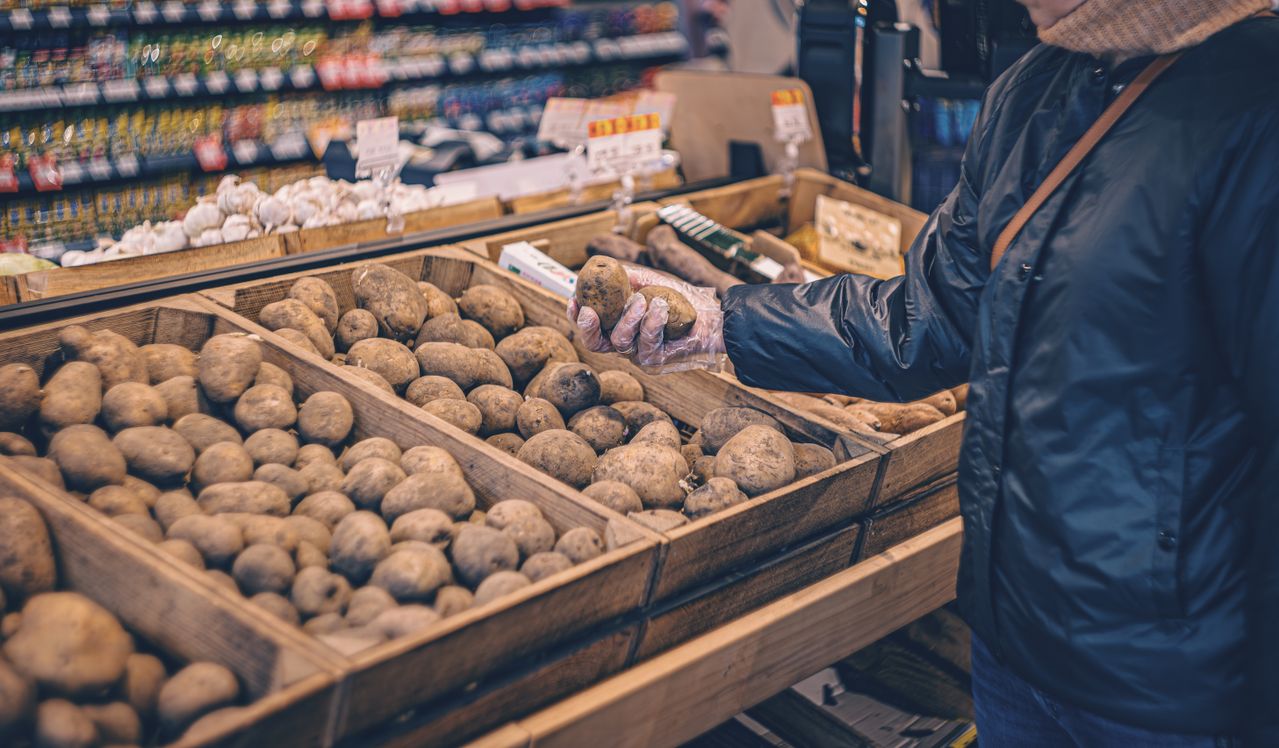
Potatoes are equally useful because their starch behaves predictably. The Institute of Culinary Education notes that high-starch potatoes such as russets cook up fluffy inside and crisp outside, which is exactly why they excel as baked potatoes, fries, and hash browns. Cheap foods repeatedly deliver strong results because they respond well to heat, seasoning, and technique, giving home cooks a wide margin for success.
Flavor, nutrition, and shelf life make these staples hard to beat
Many budget foods also become more valuable once cooked. Processed tomato products are a prime example. Research indexed by PubMed and reviews in nutrition journals have found that tomato paste, sauce, and canned tomatoes can provide more bioavailable lycopene than raw tomatoes. In other words, the affordable can in the pantry is not a compromise; in many cooked dishes, it is the better ingredient.
Shelf stability is another reason cheap foods overperform. Dry pasta, canned tomatoes, dried beans, and rice wait patiently for a plan, which reduces spoilage and makes weeknight cooking easier. USDA data consistently emphasize that affordability is tied not only to sticker price, but also to how effectively households can turn foods into meals without waste.
That is the real advantage of the cheapest foods in the store. They deliver flavor bases, texture, nutrition, and flexibility at the same time. In a well-run kitchen, value is not about buying the least expensive item possible. It is about choosing ingredients that keep proving, meal after meal, that simple staples are often the smartest investment.