
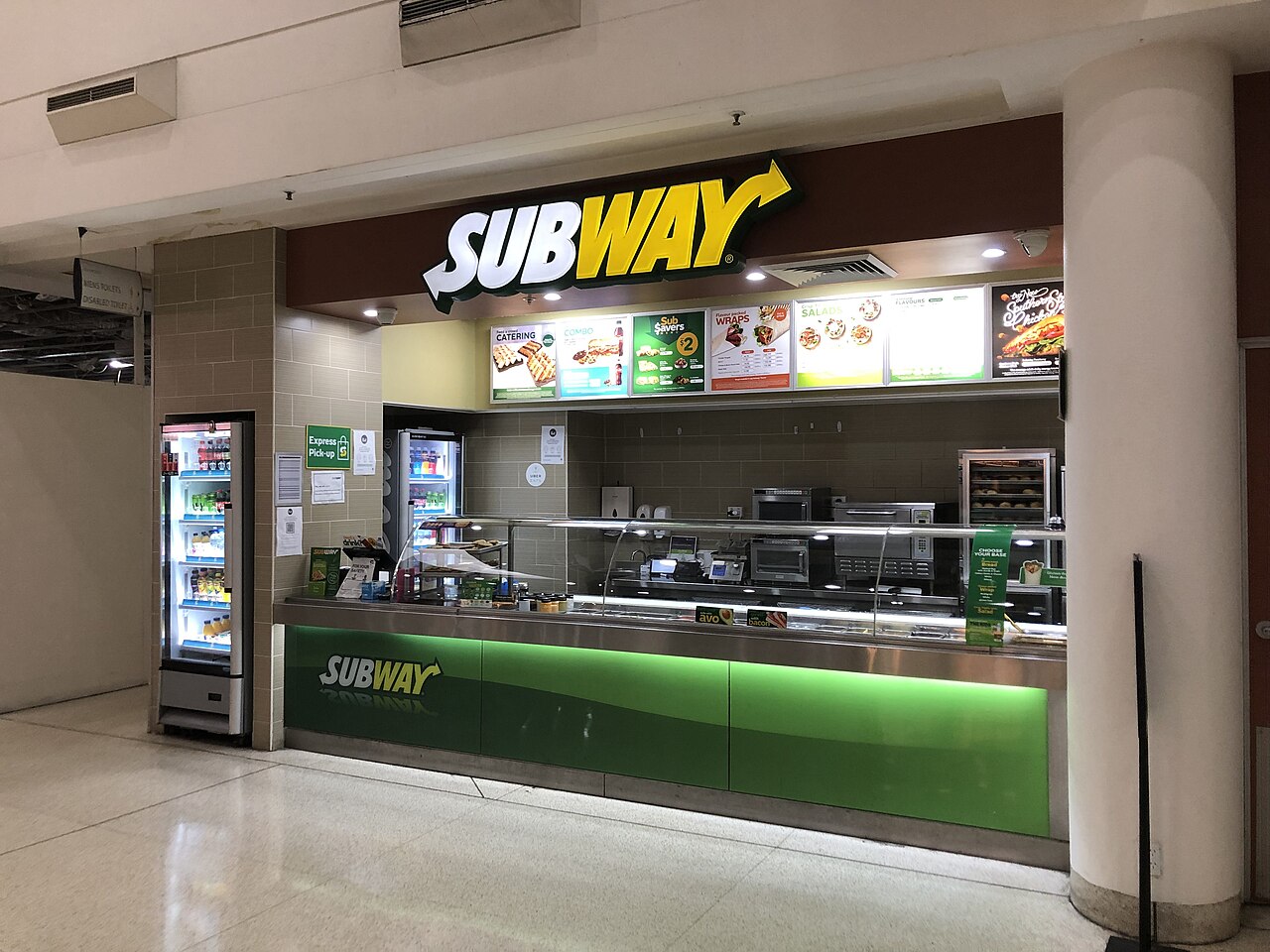
Fast-food chains across the U.S. are leaning harder on discounts as diners push back on menu prices and look more closely at what they get for the money. For Subway, that pressure has become especially visible as longtime fans say the chain no longer delivers the consistency, portions, or ingredient quality they remember. The result is a familiar national brand confronting a more skeptical customer base at the same time its U.S. store count is still falling.
Subway’s latest numbers show the scale of the pressure
Subway’s U.S. footprint shrank again in 2025, giving the customer complaints new context beyond social media posts and anecdotal frustration. According to Subway’s 2026 franchise disclosure document, as reported by Restaurant Dive and QSR Magazine, the chain posted a net decline of 729 U.S. restaurants in 2025 and ended the year with 18,773 locations. That left Subway below the 19,000-unit mark in the United States while still remaining the country’s largest restaurant chain by store count.
That April 30, 2026 disclosure matters because it puts a verified number on a longer retrenchment. QSR Magazine reported that Subway has closed a net 8,345 U.S. restaurants since 2016, a contraction that shows the company’s effort to “rightsize” the system is still underway. Restaurant Dive also reported that franchise revenue fell by more than 6% in 2025 as royalty revenue declined.
At the same time, Subway has moved to address customer concerns about affordability. The company announced on April 28, 2026 that it was launching its first-ever Fresh Value Menu with 15 entrees under $5 at participating restaurants nationwide. Subway said the menu was meant to offer lower-priced options, a notable step for a chain once defined by the $5 footlong rather than a formal value platform.
What customers are seeing, and what is still location by location
For customers, the issue is not only price. The customer feedback cited in recent consumer coverage has focused on smaller portions, less appealing produce, and inconsistent sandwich builds from one store to the next. Those complaints are harder to quantify than store closures, but they align with the core challenge for a chain built on customization: if one shop performs well and another does not, the brand experience can feel uneven even when the menu boards look the same.
What is confirmed is that Subway’s network is overwhelmingly franchised, which can contribute to variation between locations. The company has not released a comprehensive public list tying specific customer quality complaints to individual restaurants, and it has not published a nationwide breakdown of which stores saw the steepest traffic declines tied to food-quality concerns. That means broad claims about any one city or state should be treated cautiously unless local health, sales, or closure records support them.
Even so, the scale of the U.S. contraction suggests the dissatisfaction is not confined to one market. Industry coverage in Nation’s Restaurant News and Restaurant Dive shows Subway responding with national pricing actions, not isolated local fixes. That indicates the brand sees affordability and traffic as broad systemwide issues rather than problems limited to a handful of regions.
The bigger forces behind the backlash
The most documented cause is the wider fast-food value squeeze. ABC News, Axios, and Subway’s own April 28 announcement all framed the new value menu as a response to consumer price sensitivity at a time when restaurant and grocery costs remain elevated. In other words, Subway is now competing in the same discount-heavy environment that has pushed many chains to introduce bundled meals and lower entry price points.
There is also a structural business issue behind the customer experience. Reuters previously reported that Subway’s low-margin model made it harder to attract larger franchisees even as the company pursued a turnaround. Industry outlets have since described the U.S. store reduction as a rightsizing effort, while Subway’s 2024 sale to Roark was completed on April 30, 2024, according to the company. Ownership changes do not by themselves explain customer dissatisfaction, but they do place added focus on improving store economics and operations.
For customers, the practical takeaway is straightforward. Subway is trying to win back budget-conscious diners with lower-priced menu items, but the company’s own store-count decline shows that value and consistency remain central challenges. What diners should expect in the near term is continued discounting, continued variation by location, and an ongoing effort by the company to stabilize a brand that still has national reach but less margin for error than it once did.