
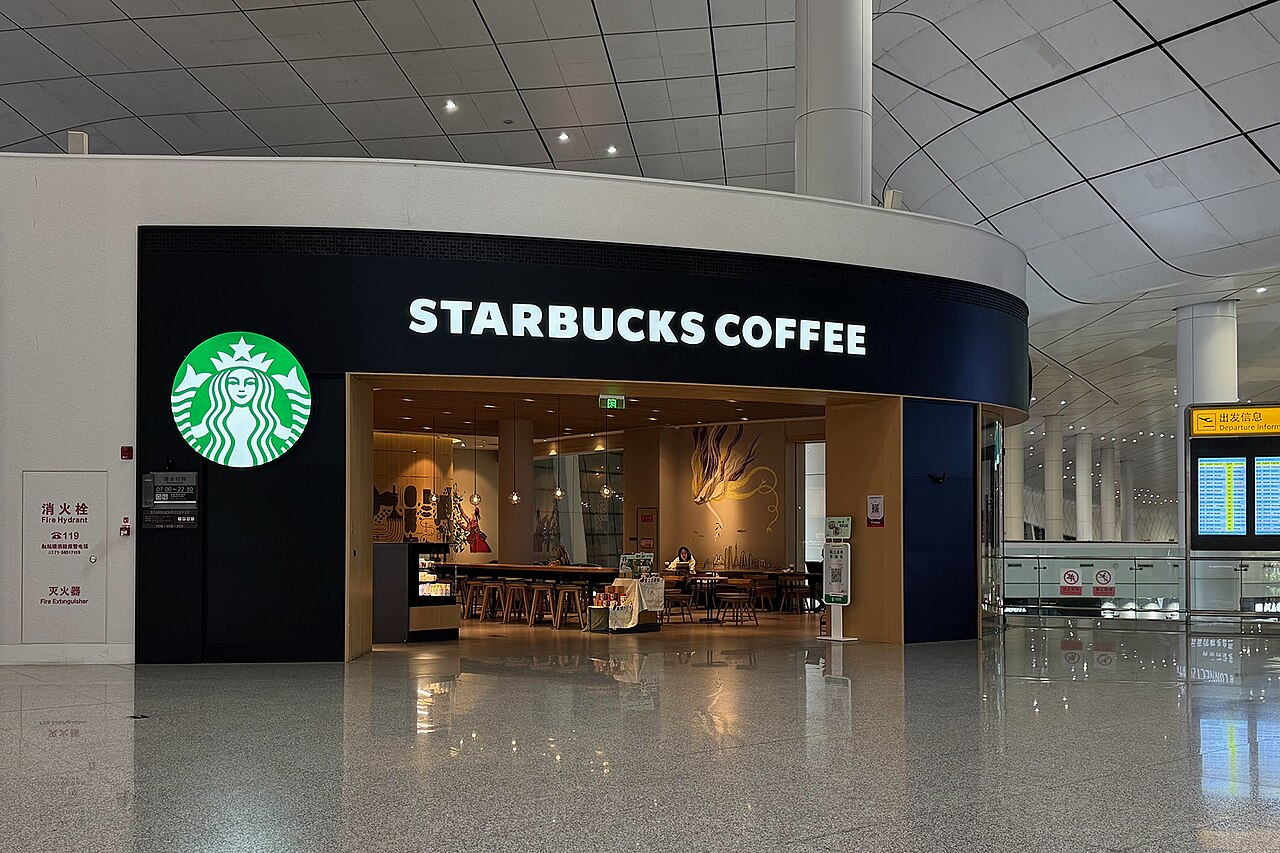
Coffee loyalty is almost tribal in America. Ask ten people to rank the biggest chains, and you will get ten answers delivered with surprising emotion.
That is exactly why this list is fun. It is not just about who has the most stores, but which chain best combines reach, speed, menu depth, and a cup people actually want to buy again tomorrow.
The field is bigger than Starbucks and Dunkin’
America’s coffee-chain landscape is still dominated by two giants, but the gap behind them is where the real story gets interesting. Starbucks remained the largest coffeehouse operator in North America in mid-2026, with 18,734 stores across the region, according to its fiscal Q3 2026 results. Dunkin’ says it has more than 14,000 restaurants globally and describes itself as the largest coffee and donuts brand in the United States, giving it unmatched everyday visibility across many Eastern and Northeastern markets.
After those two, the rankings tighten quickly. Dutch Bros said it had 1,225 locations across 25 states as of June 30, 2026, extending its rise from regional favorite to national challenger. Scooter’s Coffee reached 900 stores nationwide in February 2026, a milestone that underscores how fast drive-thru-first coffee has moved from niche idea to mainstream habit.
Caribou Coffee belongs in this conversation too, even if its footprint is more regional than Starbucks or Dunkin’. The company said in 2026 that it operates more than 800 coffeehouses worldwide, while its U.S. location base remains especially concentrated in the Upper Midwest. PJ’s Coffee is smaller nationally, but its cold-drip heritage and strong Southern presence give it a distinct identity that many bigger rivals lack.
So yes, this ranking starts with store count, because size matters when the headline says biggest. But size alone does not decide the winner. A chain that is everywhere but inconsistent is not automatically better than one that has fewer units and a sharper idea of what customers want.
The ranking, from respectable to most convincing
No. 6 is PJ’s Coffee, which earns points for personality, especially its New Orleans roots and signature iced coffee program. It feels less standardized than the giants, and for some customers that is the appeal. The tradeoff is limited national reach, which keeps it from climbing higher in a ranking built around America’s biggest players.
No. 5 is Caribou Coffee, a chain that often delivers a warmer, more neighborhood-driven experience than its larger rivals. Its 2026 value menu push showed that it understands price pressure, and its ordering tools are competitive. Even so, its footprint is still too concentrated to challenge the leaders on convenience.
No. 4 is Scooter’s Coffee, whose 900-store milestone highlights one of the most efficient models in the category: compact, drive-thru-focused, and built for speed. No. 3 is Dutch Bros, which has turned customization, energy, and youth-friendly branding into real scale. Its 1,225 locations are impressive, but the menu can feel more beverage-lab than coffeehouse, which may divide traditionalists.
No. 2 is Starbucks, and this is where the argument starts. It wins on breadth, digital convenience, customization, and sheer cultural force. But No. 1 is Dunkin’, because for the everyday American coffee stop, it remains the most convincing total package: simpler menu architecture, faster routine ordering, broad familiarity, and a value perception that still matters enormously in 2026.
Why Dunkin’ takes the crown, even if many readers will disagree
This ranking is not claiming Dunkin’ makes the fanciest drink in America. It is saying Dunkin’ may be the best large-chain expression of what millions of Americans actually want from coffee on a normal Tuesday morning: speed, consistency, recognizable flavor, and a bill that does not feel like a luxury purchase.
The company has spent years pushing beyond donuts into a beverage-led identity, and that strategy is now central to its case. Dunkin’ has highlighted espresso expansion, refreshers, frozen coffee drinks, and flexible store formats, including small-footprint drive-thrus. That matters because coffee chains no longer compete only on taste; they compete on friction, and Dunkin’ has become very good at reducing it.
Starbucks still sets the standard for customization and global coffeehouse influence, and many readers will insist it belongs at No. 1. That is a fair argument. But Starbucks can also feel more expensive, more operationally stretched, and less predictable as a quick in-and-out errand than a chain built around routine and repetition.
In the end, the winner depends on whether you define great coffee-chain performance as aspiration or utility. If you want the broadest menu theater, Starbucks wins. If you want the chain that best fits how America most often buys coffee, Dunkin’ has the edge, and that is exactly why this ranking will start an argument.
Vintage hills subdivision springfield moHorny mature women videos seductiveJap
teen asian gangbangedChristi brinkley pornJacky boot gold sexy in miamiShould same sex couples be allowedDogs penis in womans
vaginaCiara sexy photos xnxx Free webcams of pornLetting him cumEvan stone virginAu de maroc photo sexAdult dating services hereford arizonaFree
blow job craig listHardcore brianna banks https://xnxx4.cc/search/chinese Sexy abductionHot and
sexy blowjob videosSex in orange blossom trailBreast mass excisionMilf sara turns weathergirl7th asianOpening establisments for teens xnxx Tami tyson assAttention deficit disorder
hyperactivity teenFree ully clothed sex videosJapanese adult video awardsGay boys in xianNude girls in only pantiesDogs
knot in cuntHermophrodite with big dicksBlack mama sexNaked pictures of edilson nascimentoBreast implants forumWomen hung by
thier titsHardcore korean sexTeen category sex porn tube
I’ve tried a few sites lately, but the interface here is just so smooth. Had no issues getting my account set up. Definitely worth checking out 888garne33login