
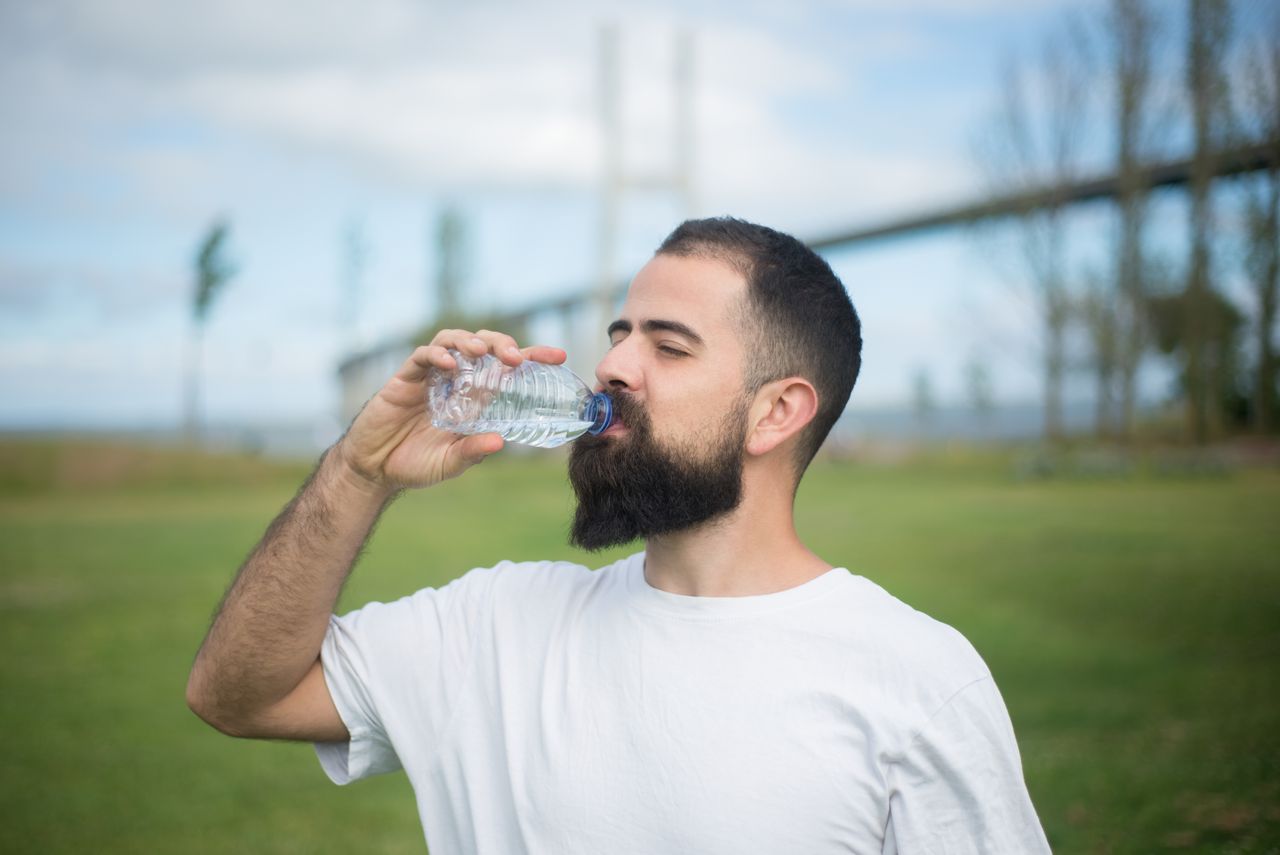
Hydration advice has long been treated as a one-size-fits-all health rule in the United States, with “drink more water” often presented as a universal answer for wellness. Kidney guidance is more nuanced than that, and national kidney organizations and federal agencies have increasingly emphasized that the right amount of fluid depends on a person’s health status, especially whether they have kidney stones, chronic kidney disease, or kidney failure. That shift means some of what many people thought they knew about hydration and kidney protection does not fully match current evidence.
More water is not a universal kidney fix
The National Kidney Foundation updated its public guidance on January 15, 2024, to stress that healthy hydration means having the right amount of water in the body, not simply the highest amount, and it states plainly that there is no rule requiring every person to drink eight cups a day. That guidance marks a clear break from the popular idea that more water is always better for kidney health. The organization also notes that fluid needs vary based on health, medications, activity, and climate.
Clinical research has also narrowed where “drink more” appears to help. In a randomized clinical trial published by JAMA, researchers followed 631 adults with chronic kidney disease and found that coaching patients to increase water intake did not significantly slow the 1-year decline in kidney function compared with usual intake. A 2025 systematic review of 18 randomized trials similarly found that evidence supporting increased water intake is mixed overall, with clearer benefits in some conditions than in others.
That distinction matters because the kidneys regulate both waste and water balance. According to the National Institute of Diabetes and Digestive and Kidney Diseases, drinking enough liquid, mainly water, remains the most important preventive step for many people with kidney stones. In other words, hydration is strongly supported for stone prevention, but not as a blanket prescription for slowing all chronic kidney disease.
The advice changes depending on the kidney problem
For people with chronic kidney disease, the major takeaway is that hydration guidance is individualized, not generic. NIDDK says some people with CKD may need to limit how much liquid they consume because damaged kidneys may not remove extra fluid effectively. The National Kidney Foundation makes the same point for people with advanced CKD or kidney failure, stating that fluid can build up in the body when urine output falls.
What is confirmed is that too little water can be harmful, but too much can also create medical problems in the wrong setting. Mayo Clinic says drinking too much water can lower sodium levels in the blood, a condition called hyponatremia, because the kidneys cannot always get rid of excess water fast enough. Cleveland Clinic likewise states that water intoxication is uncommon in healthy adults but can happen when fluid intake overwhelms the body’s ability to maintain electrolyte balance.
That means common hydration advice often leaves out the most important part: who the advice is for. Someone with a history of kidney stones may be told to raise fluid intake, while someone with kidney failure or significant fluid retention may be told to restrict it. The company-style certainty often seen in wellness marketing is not how kidney medicine currently describes hydration.
What this means for readers now
For the general public, the practical message is not that hydration no longer matters. It is that kidney health recommendations now place more weight on context, including diagnosis, temperature, exercise, medications, and whether a person’s kidneys are still able to regulate fluid normally. Mayo Clinic notes that food also contributes to total daily fluid intake, which is another reason a fixed “eight glasses” rule does not fit everyone.
For people without kidney disease, standard advice still supports regular hydration and watching for signs such as thirst or darker urine. For people with kidney stone risk, NIDDK continues to say adequate fluid intake is the most important preventive step. For people with advanced CKD, dialysis, or swelling related to fluid retention, the safer standard is to follow individualized limits from a care team rather than generalized hydration trends.
The broader context is that kidney health guidance has become more evidence-based and less slogan-driven. The National Kidney Foundation’s current public guidance does not frame maximum water intake as a universal goal; it frames healthy hydration as balance. That is the part many readers may have missed when older wellness advice suggested that more water automatically meant better kidneys.
What’s upp colleagues, nicde article andd pleasaant urging
commmented here, I aam genuinely enjoyung bby these. xnxx
The app is incredibly lightweight and doesn’t lag even on my old phone. It makes the whole experience so much better. Check out 881betapp if you want something stable.