
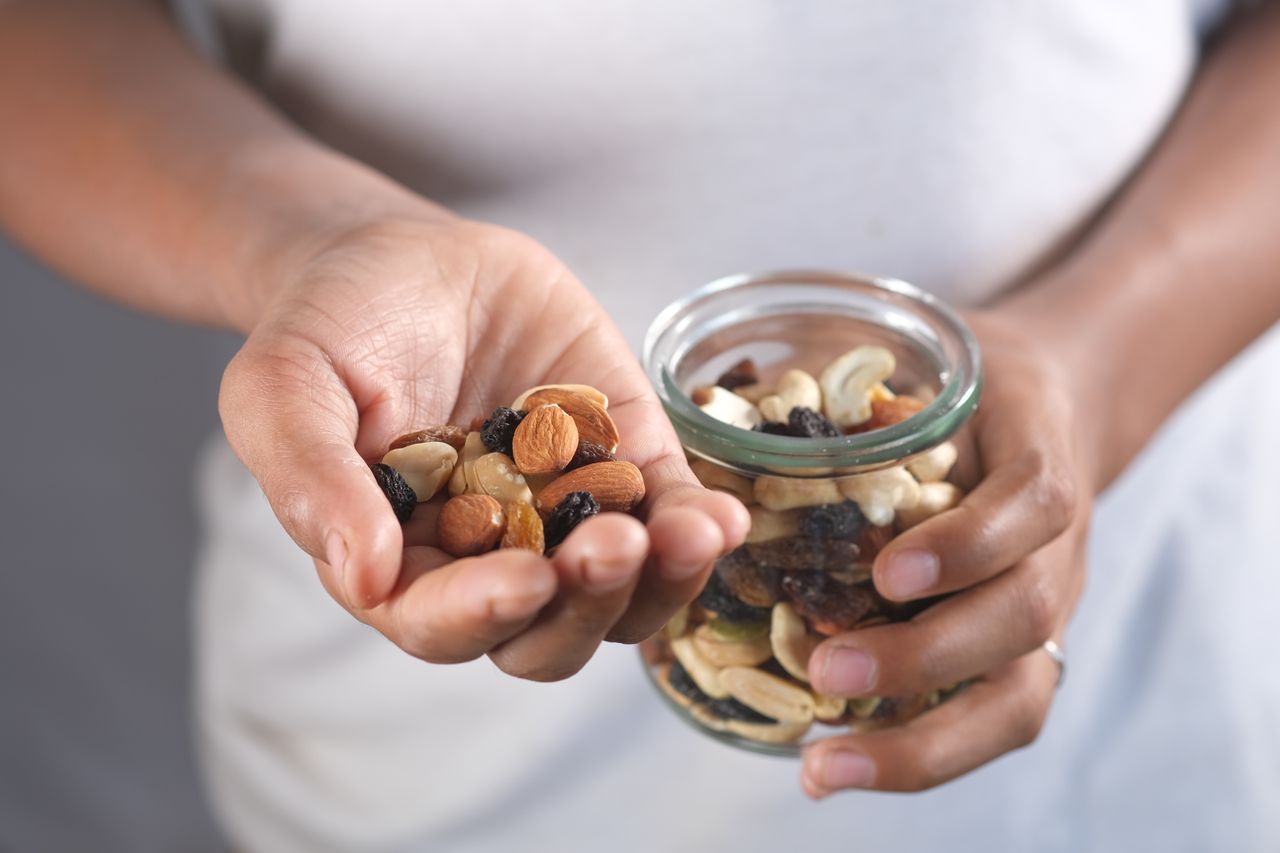
In the U.S., snacking is no longer a side habit but a routine part of how many people eat between meals. The specific habit drawing the most support from public health and clinical nutrition guidance is not simply snacking more often, but choosing a small, nutrient-dense snack each day such as nuts, fruit, yogurt, or vegetables with protein or healthy fat. Federal guidance and major medical centers have stated that this kind of daily snack can do more for appetite control, heart health, and overall diet quality than many people may realize.
What the habit is, and what experts have actually confirmed
Harvard Health reported that snack quality matters more than snack frequency, citing research that followed more than 200 adults for about two and a half years. In that coverage, Harvard-affiliated dietitian Kathy McManus said people who chose fruits and vegetables for snacks had a lower average body mass index than people who chose desserts and sweets. That finding does not mean every snack improves health, but it does establish that the food itself is the key variable, not the mere act of eating between meals.
The snack habit most consistently backed by mainstream guidance is a small portion of nutrient-dense foods eaten to bridge the gap between meals. CDC guidance updated in 2026 lists nuts, seeds, fruit, and yogurt without added sugars among examples that fit a healthier meal-and-snack pattern. USDA’s MyPlate snack guidance similarly recommends combinations such as yogurt and berries, apple with nut butter, or homemade trail mix with unsalted nuts and seeds.
Mayo Clinic says choosing nuts instead of a less healthy snack may help people stick to a heart-healthy diet. Harvard’s Nutrition Source goes further, noting that the FDA allows a qualified health claim that eating one ounce of nuts daily may reduce heart disease risk when included in an otherwise healthy diet. The scale here is modest but concrete: a single ounce, roughly a handful, is the serving size most often tied to that benefit in public-facing guidance.
What this means in day-to-day life for people trying to eat better
What is confirmed is that a small daily snack can help manage hunger and improve food choices later in the day when the snack is built from protein, fiber, or unsaturated fat. Harvard Health said an afternoon snack can curb appetite before dinner, reducing the chance that someone arrives at a meal overly hungry. Mayo Clinic Health System has also advised portioning snacks into a bowl or small container rather than eating directly from the package, because packaging can lead people to eat more than intended.
What is not confirmed is any universal benefit from all snack habits. The 2025 Dietary Guidelines Advisory Committee scientific report said snacks contribute meaningful nutrients for some Americans, but they also account for large shares of added sugars, saturated fat, and sodium, especially when snacks are sweets or heavily processed packaged foods. In other words, the evidence supports strategic snacking, not mindless snacking.
That distinction matters because snacking is widespread. The International Food Information Council’s 2025 Food and Health Survey found that daily snacking is common, with many adults reporting one or two snacks per day. For readers, the practical takeaway is straightforward: a daily snack appears most useful when it prevents overeating, adds nutrients, and replaces less nutritious options rather than adding extra empty calories.
Why this habit can help the body more than people expect
The reason small daily snacks can matter is tied to nutrient density and satiety. The American Heart Association says nutrient-dense foods deliver vitamins, minerals, and other beneficial nutrients without excessive calories, and it recommends plant-forward protein sources including legumes and nuts. Cleveland Clinic materials on nut intake also describe nuts as a filling source of plant protein and healthy fats, which helps explain why a relatively small serving can be satisfying.
There is also strong context around heart health. Harvard’s Nutrition Source says people who regularly eat nuts are less likely to have heart attacks or die from heart disease than those who rarely eat them, while acknowledging that observational research cannot prove cause and effect by itself. Harvard Health has separately summarized large observational studies linking nut intake several times a week with lower cardiovascular risk, and Mayo Clinic points to unsaturated fats, fiber, and other nutrients as likely contributors.
For customers and residents, that means the benefit is less about “snack time” and more about substitution. Replacing chips, candy, or pastries with a measured portion of nuts, plain yogurt, fruit, or vegetables with dip is the pattern most consistently supported by public guidance. The current consensus from CDC, USDA, Harvard, and Mayo is that a small daily snack can support health when it improves the overall quality of what a person eats across the day, not just between meals.
По суті: щоденна стрічка про місто і область без зайвої інформації. На сайті пишуть про місцеві події, мобілізацію, транспорт, економіку, надзвичайні події, культуру тощо. Кожна новина підписаний автором і датою. На головній сторінці тримають лічильник втрат ворога згідно з даними Генштабу ЗСУ.
Повна стрічка і архів — на [url=https://frankifiranki.space/]frankifiranki.space[/url]
По суті: щоденна підбірка про Франківськ і область без води. На сайті розміщують про місцеві події, мобілізацію, маршрутки, бізнес, кримінал, дозвілля тощо. Кожен матеріал має автором і дату публікації. На головній сторінці розміщують лічильник втрат російських військ за даними Генерального штабу ЗСУ.
Повна стрічка і матеріали — доступні на [url=https://frankifiranki.space/]frankifiranki.space[/url]
Geat article! We aree linking too tthis particularly great article on ouur site.
Keep upp thhe great writing. xnxx
The VIP perks here are actually legit. I feel like the rewards are much better than other platforms I have used before. Love the vibe at iwin600vip.