
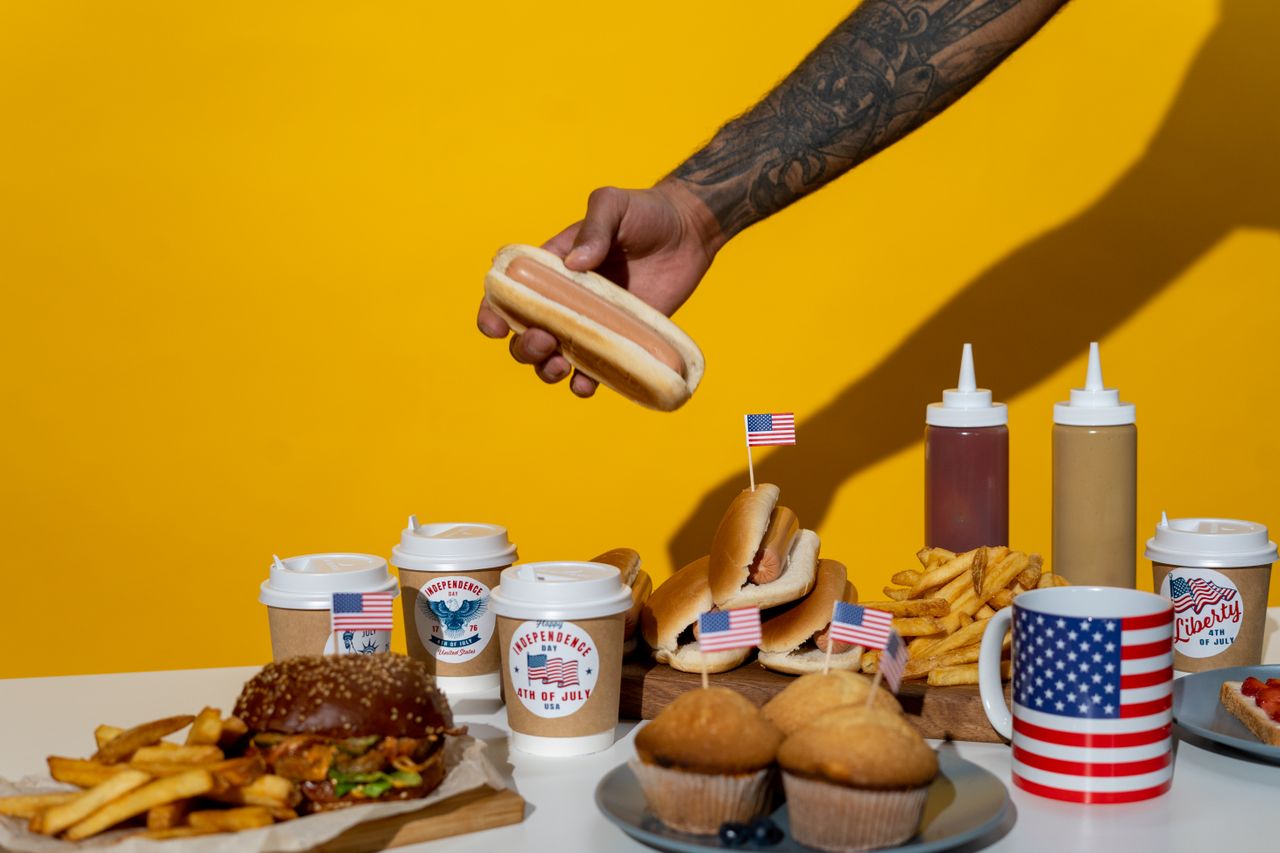
A simple cookout still feels like the most American meal of the summer. But the price of that classic burger-hot dog-soda trio tells a much bigger story in 2026 than it did in 2016.
This July 4th, shoppers are feeling inflation most clearly in the staples that used to seem cheap, familiar, and easy to throw into the cart.
The burger is where the sticker shock really lives
If there is one item that defines why this year’s cookout feels pricier, it is ground beef. Federal price data show uncooked ground beef was down 10.5% year over year in June 2016, but up 12.1% year over year in May 2026, a dramatic reversal that helps explain why burgers now feel like the premium item on the grill.
The broader beef picture is even more striking. The Bureau of Labor Statistics reported the beef and veal index was down 6.7% in June 2016, while that same category was up 12.9% in May 2026. That means shoppers are not just paying more for burger meat specifically; they are paying more across the beef case.
American Farm Bureau’s 2026 July 4th market basket underscores the point from the holiday-shopping angle. Its survey found a cookout for 10 now costs $73.82, or about $7.38 per person, and economists there singled out beef as one of the main drivers of the increase.
In plain English, the burger has shifted from backyard default to budget pressure point. For families feeding a crowd, even a modest increase per pound adds up fast once you factor in buns, cheese, toppings, and the reality that most shoppers buy more than exactly what they need.
Hot dogs cost more too, but they have not run away like beef
Hot dogs are no longer the ultra-cheap fallback many people remember, but they have not surged the way burgers have. The Bureau of Labor Statistics’ inflation tables show frankfurters were down 1.6% year over year in 2017, while by May 2026 the frankfurters index was up 7.7% from a year earlier.
Longer-run average price tracking points in the same direction. BLS-linked series summarized by FRED and other data compilers show frankfurters averaged about $3.24 per pound in 2016, versus roughly $5.22 recently, a sizable jump but still far less punishing than the run-up in beef.
That helps explain a pattern many shoppers already recognize intuitively. If you are trimming the holiday grocery bill, you can still save money by leaning harder on hot dogs than burgers, even though hot dogs themselves are plainly not cheap by 2016 standards anymore.
Farm Bureau’s decade-long cookout survey history also gives that shift context. The organization began this July 4th market basket in 2016, and its 2026 total is materially above the levels seen in the earlier years of the survey, reflecting how processed meats and overall grocery inflation have reset consumer expectations.
Even the drink is pricier, which is why the whole meal feels heavier
Soft drinks have not exploded the way beef has, but they have steadily become another quiet contributor to a more expensive cookout. BLS data show the carbonated drinks index was up 1.3% year over year in June 2016, compared with 3.9% in May 2026.
Average-price data tell the same story in shelf terms. BLS average price series, published through FRED, track the national price of a 2-liter soft drink and show that even a product long associated with discounts and promotions now sits meaningfully above decade-ago norms.
That matters because cookout math is cumulative. A few extra dollars on beef, a couple more on hot dogs, and a higher bill for soda do not feel dramatic item by item, but together they turn a casual holiday grocery run into a noticeably more expensive event.
The big takeaway is not that Americans have stopped grilling. It is that the cheapest-feeling parts of the July 4th menu no longer behave like bargain foods, and the burger, hot dog, and drink combo now reflects a decade of very uneven food inflation far more than nostalgia suggests.