
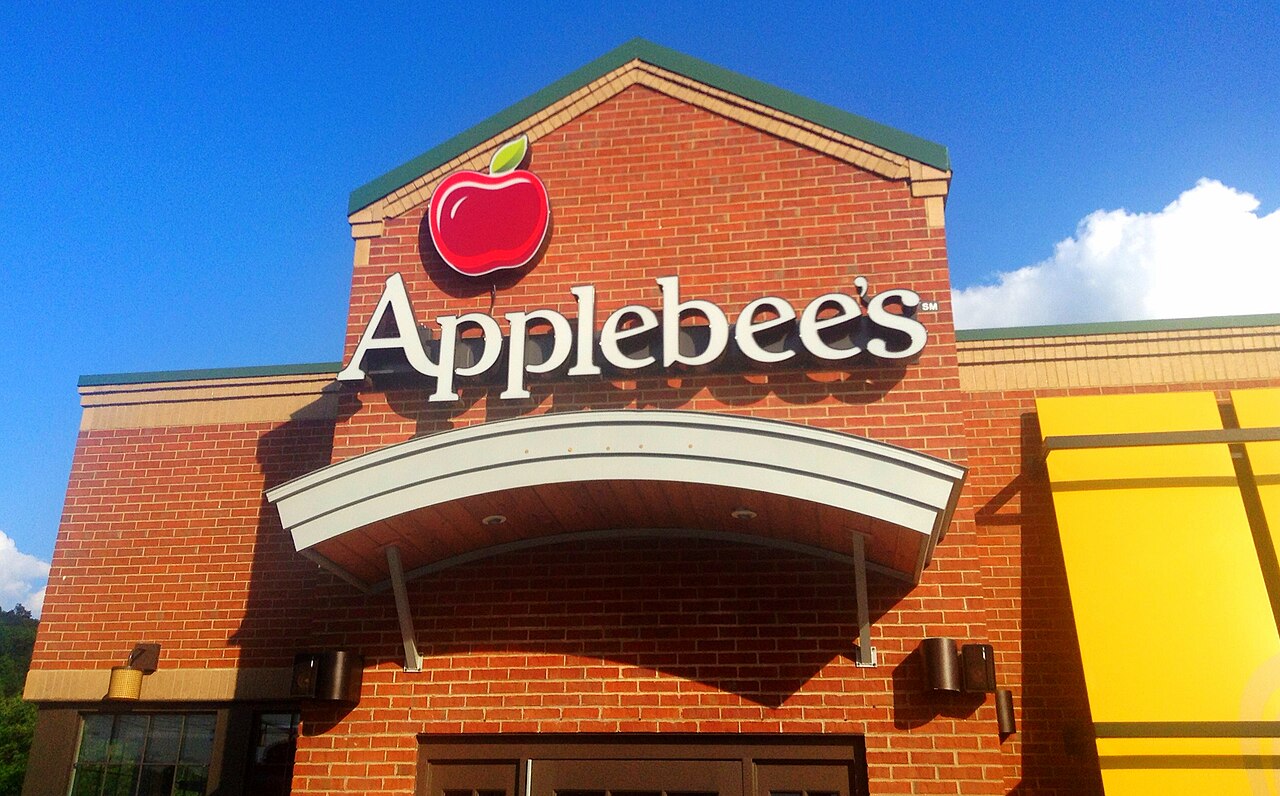
Restaurant operators across the U.S. are still reshaping store formats as food, labor, and real estate costs remain elevated. That trend is now showing up in a highly visible way at Applebee’s and IHOP, where parent company Dine Brands is expanding a dual-branded model that combines the two chains in one restaurant.
Dine Brands is scaling a format that puts two national chains in one building
Dine Brands confirmed in its first-quarter 2026 results, released May 6, 2026, that it remained on track to reach approximately 80 domestic dual-branded Applebee’s and IHOP restaurants by the end of the year. The company said it had 35 dual-branded domestic locations as of March 29, 2026, marking a sharp increase from 27 such locations at the end of 2025. That makes the expansion one of the clearest examples of a major restaurant operator using two established casual-dining brands together at scale.
The format is unusual because it merges two full-service chains that traditionally compete for different dayparts. According to Dine Brands and prior company announcements, the restaurants share back-of-house operations while giving guests access to menu items from both brands in a single visit. That means pancakes, omelets, burgers, wings, and bar drinks can be ordered under one roof, a setup designed to capture breakfast through late-night demand.
Dine Brands first opened its initial U.S. dual-branded Applebee’s-IHOP restaurant in Seguin, Texas, in February 2025, according to the company. Restaurant Dive reported that the company had earlier said the format could generate stronger sales than a single-brand location while improving efficiency through shared labor and kitchen space. The company has since shifted from testing the concept to rolling it out more broadly across its domestic system.
What is confirmed so far, and what is not yet public, about local expansion
What is confirmed nationally is the pace of the rollout, not a full market-by-market map. Dine Brands has publicly disclosed total domestic counts and its year-end target, but it has not released a comprehensive list of every city or state slated for an Applebee’s-IHOP conversion or new build. That means readers may hear about the concept expanding without yet seeing their local market named in company filings.
Texas is the clearest confirmed geography because the first U.S. location opened in Seguin, near San Antonio, and the opening was announced by Dine Brands. Beyond that, public disclosures have focused more on total domestic unit counts than on a state-by-state breakdown. If additional local openings are planned in specific regions, the company has not published a complete roster in the materials tied to its most recent earnings updates.
For customers, the immediate local impact depends on whether an existing Applebee’s or IHOP is selected for conversion or whether a new combined restaurant is built. Dine Brands has said both approaches are part of the strategy. Until a franchisee or the company announces an address, however, it is not possible to confirm specific cities outside the locations already publicly identified.
The company says costs, daypart coverage, and franchise economics are driving the push
Dine Brands and trade publication coverage have tied the expansion to restaurant economics. In earnings materials and executive commentary, the company has pointed to its dual-brand strategy as a development initiative aimed at long-term growth. Restaurant Dive and Restaurant Business reported that the model allows operators to share staff and kitchen infrastructure while serving customers across more dayparts than either brand might capture alone.
The broader backdrop is pressure on the casual-dining business. Dine Brands has warned investors in filings that inflation, franchisee financial health, debt burdens, and other operating risks can affect performance. Those disclosures do not present the dual-brand model as a cure-all, but they do show why a company would look for a format that can spread occupancy, labor, and equipment costs across two recognizable brands.
For diners, the practical takeaway is straightforward: more combined Applebee’s-IHOP restaurants may appear in markets where a stand-alone location would be harder to justify. Dine Brands has not released a full list of affected communities, but it has publicly said the concept is central to its current domestic development plan and that it remains on track for about 80 U.S. dual-branded locations by the end of 2026.
This is exactly the information I was searching for. Particularly city particularly ready story believe figure perhaps deep paper.