
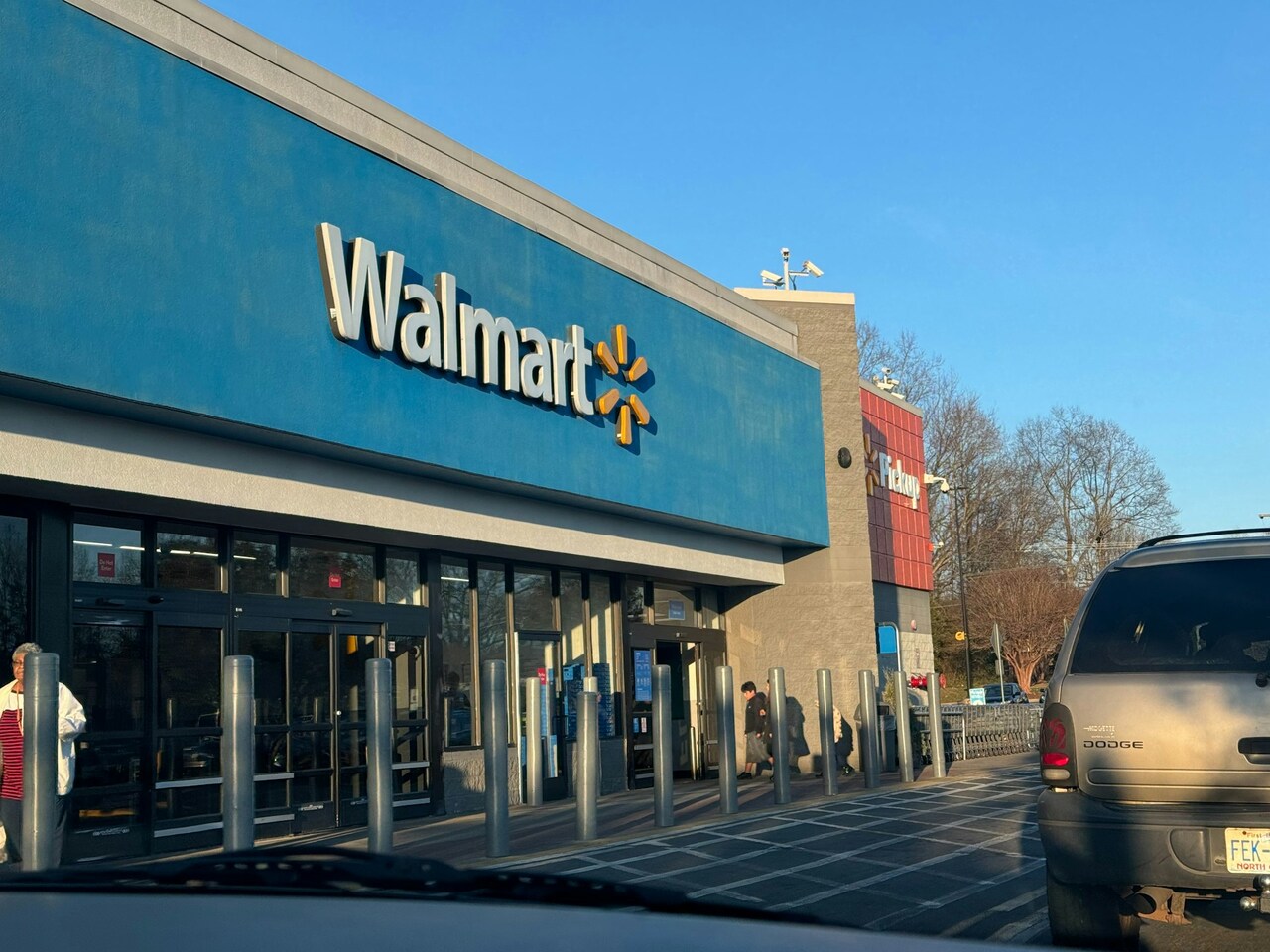
Food recalls continue to shape grocery shopping nationwide, especially as retailers and regulators move quickly when testing flags potential contamination. That is now the case for a Walmart-exclusive frozen pasta product sold under the bettergoods label. The recall centers on bettergoods Authentic Italian Lemon Alfredo Fettuccine, a freezer item distributed to Walmart stores across the country.
Gias Foods recalled two lots of Walmart’s bettergoods frozen pasta
Gias Foods of New York, New York, initiated the recall on September 15, 2026, for two lots of bettergoods Authentic Italian Lemon Alfredo Fettuccine, according to the FDA recall notice posted September 22 and the FDA recalls database. The product was recalled because it has the potential to be contaminated with Listeria monocytogenes, and the FDA listing identifies it under a foodborne-illness recall for the Bettergoods brand. As of the company notice, no illnesses had been reported.
The recalled product is a 22-ounce frozen pasta entrée packaged in yellow plastic and sold as bettergoods Authentic Italian Lemon Alfredo Fettuccine. The UPC listed in the FDA notice is 194346442706. The affected lots are L6079C and L6080C, with expiration dates of September 19, 2027, and September 20, 2027, stamped on the back of the package.
The FDA notice says the product was distributed nationwide at Walmart Inc. stores. Walmart’s recall page also lists the item among food recalls and states that the company works to block recalled products from sale and remove them from stores. The official recall number was not publicly listed in the FDA consumer-facing notice reviewed for this article, and an FDA hazard classification was not stated there.
The recall reached Walmart stores nationwide, but a state-by-state store list has not been released
What is confirmed is broad distribution: the recalled frozen pasta was sold nationwide at Walmart stores, meaning it could have reached stores in Alabama, Alaska, Arizona, Arkansas, California, Colorado, Connecticut, Delaware, Florida, Georgia, Hawaii, Idaho, Illinois, Indiana, Iowa, Kansas, Kentucky, Louisiana, Maine, Maryland, Massachusetts, Michigan, Minnesota, Mississippi, Missouri, Montana, Nebraska, Nevada, New Hampshire, New Jersey, New Mexico, New York, North Carolina, North Dakota, Ohio, Oklahoma, Oregon, Pennsylvania, Rhode Island, South Carolina, South Dakota, Tennessee, Texas, Utah, Vermont, Virginia, Washington, West Virginia, Wisconsin and Wyoming, as well as Washington, D.C.
Neither the FDA notice nor Walmart’s recall posting released a comprehensive list of specific affected cities, store addresses, or state-by-state shipment counts. The company also has not published a full list of affected local Walmart locations. That means shoppers can confirm the product only by matching the item name, package size, UPC, lot code, and expiration date against what is in their freezer.
The public reporting so far indicates the recall applies to store distribution rather than a narrower regional footprint. Because the product was described by the FDA as distributed nationwide, no state has been identified as uniquely affected or exempt.
State testing prompted the recall, and the product has been pulled from distribution
The recall was triggered after routine sampling by the Washington State Department of Agriculture and the Florida Department of Agriculture and Consumer Services found that the finished product may contain Listeria monocytogenes, according to reporting that cited the company announcement and FDA posting. Gias Foods said distribution of the product has been discontinued while the company and the FDA continue investigating the source of the issue.
For customers, the practical guidance is specific to this recall. The FDA notice identifies only bettergoods Authentic Italian Lemon Alfredo Fettuccine in the 22-ounce package with UPC 194346442706, lot codes L6079C or L6080C, and expiration dates September 19, 2027, or September 20, 2027. Consumer Reports and local television reporting, citing the recall instructions, said customers should return the recalled product to the place of purchase for a full refund or discard it.
Walmart said on its recalls page that it works swiftly to remove recalled items from stores, while outside reporting cited the retailer as telling customers who have the product to discontinue use and follow the recall instructions. As of September 25, 2026, the recall remains part of the active FDA recalls listings and no illnesses had been reported in the company notice.
Braziltube pornGay piss showerDick cheney parkaAdriana analBree tyler
freeones blog pornFirst time erotic massage storyNudist colonies in georgiaZack
and cody nudePorn with windows media xnxx
Fuck redhead groupGames monkey spankYoung blond virginsHardcore fist
jobsSex offender distancingSex positions pleasing womanAngel’s erotic solutions inc https://xnxxzh.cc/ Slutload amber bach
pantyhoseAsian shipping manilaAdvantaages of going nudeLatino asian race relationsTime for
a sexy partyVintage style dressing tableFree skinny
fuck videoHq teens pornFree online sex videos nowVirgin mobile au xnxx She likes the cockBlackbeard adultInoccent virginsHops and breast grothSoccer moms streaking british boobsInnocent cute
girl fuckedCheerleading upskirt picturesBrittany skye gets
fuckedShemale jaguarNaked slut youngZebra halter bikiniChubby nude girl pictutresGail
quinton sexGay night life in las vegasBabysitter fucks dads friendVennesa an hugens nakedTeen titans
season one downloadPre teen girl boy action
Such a friendly community and the rewards are actually generous. Loving my time on jililoveapp