
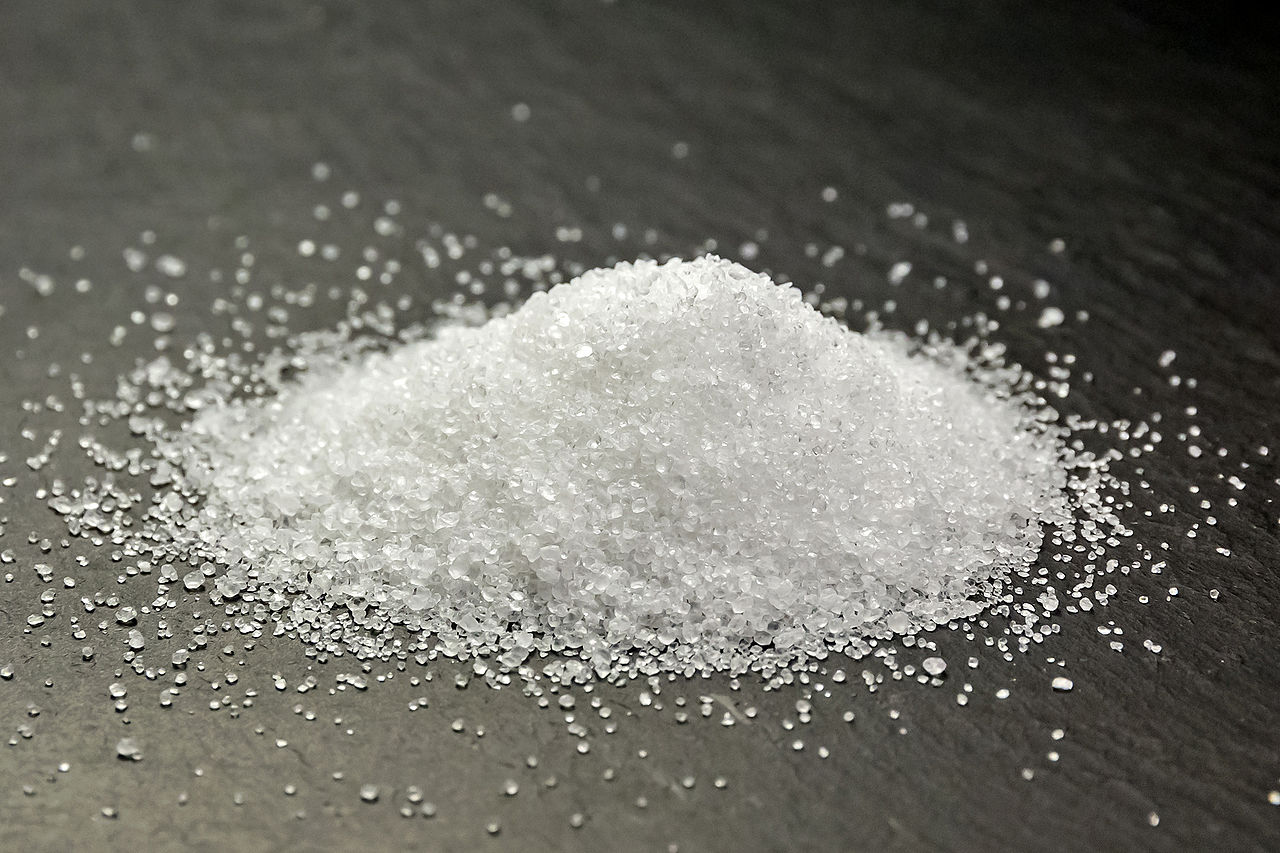
Erythritol has become a common ingredient in reduced-sugar foods, drinks and snack products sold across the U.S., especially in items marketed as keto, diabetic-friendly or lower calorie. New research is now sharpening questions about whether that popularity carries cardiovascular tradeoffs. The latest study, published online on February 20, 2025, found that higher erythritol levels were associated with worse cardiovascular outcomes, adding to earlier findings that had already tied the sweetener to heart attack and stroke risk.
A new study adds to earlier warnings on erythritol
The newest paper came from researchers working with the ARIC study, a long-running U.S. cardiovascular cohort, and was published in JACC Advances as an electronic publication on February 20, 2025. According to the PubMed record for the paper, the researchers analyzed 4,006 older adults without existing cardiovascular disease at baseline and measured erythritol and erythronate using mass spectrometry. The study did not test a branded food product or announce a market withdrawal; instead, it examined whether blood levels of these compounds tracked with later health outcomes.
The authors reported that circulating erythritol was associated with several later cardiovascular outcomes, while erythronate, a downstream metabolite, was associated with ischemic stroke and other events. That finding matters because ischemic stroke is the most common type of stroke and is tied to blocked blood flow in the brain. The paper adds another layer to earlier research from Cleveland Clinic investigators and collaborators that found higher blood erythritol levels were associated with major adverse cardiovascular events over three years.
Federal research summaries have already described those earlier findings in similar terms. The National Institutes of Health said in 2023 that higher blood levels of erythritol were linked with elevated risk of heart attack, stroke or death in studies involving more than 4,000 people in the United States and Europe. NIH also said lab and animal data from that earlier work suggested erythritol could make platelets more reactive, a mechanism that may increase clotting risk.
What this means in the U.S., and what remains unknown
The latest findings are national in scope, not tied to a single state, city, retailer or restaurant chain. Erythritol is sold and consumed broadly in the U.S. because it is used in packaged foods, tabletop sweeteners, protein products and beverages, but the new study did not identify specific states, brands, store counts or distribution regions. Researchers measured blood markers in study participants rather than tracking purchases from named products.
What is confirmed is that the ARIC-based analysis involved U.S. adults and found associations between higher erythritol-related measures and later cardiovascular events. What is not yet known from this paper is how much risk comes from food intake alone versus erythritol the body produces naturally, because erythritol is both an endogenous metabolite and an added sweetener. The study also does not establish that eating a single erythritol-sweetened product directly causes a stroke.
That distinction is important for readers trying to interpret headlines. NIH said in a 2024 summary of related xylitol research that erythritol and xylitol findings suggest possible long-term cardiovascular risks, but it also said further safety studies are warranted. No federal agency announcement reviewed here says consumers should stop using every product containing erythritol, and no nationwide recall or FDA market action was identified in the available source material.
Why researchers are still focused on erythritol
Scientists have kept studying erythritol because it sits at the intersection of two major trends: demand for low-sugar foods and concern about long-term cardiometabolic health. The earlier Nature Medicine study found that people with higher erythritol levels had greater risk of major adverse cardiovascular events, and experimental work in that paper suggested erythritol exposure could increase thrombosis potential. That helped move the discussion from simple dietary preference to a broader safety question.
More recent genetic analyses have pushed the issue further. A 2025 Mendelian randomization study published in Medicine reported that genetically predicted higher erythritol levels were associated with increased risks of coronary heart disease and ischemic stroke. A separate 2025 PubMed-indexed study likewise reported positive associations between erythritol and coronary heart disease, myocardial infarction and stroke using genetic methods.
For consumers, the practical takeaway is narrower than the headlines may suggest. The current evidence points to a possible cardiovascular risk signal that is strongest in blood-based and genetic research, not a confirmed immediate hazard tied to one recalled product or one named brand. For now, the most factual near-term expectation is continued scrutiny from researchers and public health institutions as more safety data on sugar alcohol sweeteners becomes available.
Finally a platform that actually works smoothly in my region. The login process is seamless and the app performance is top notch. bajiloginpakistanapp is definitely the way to go.