
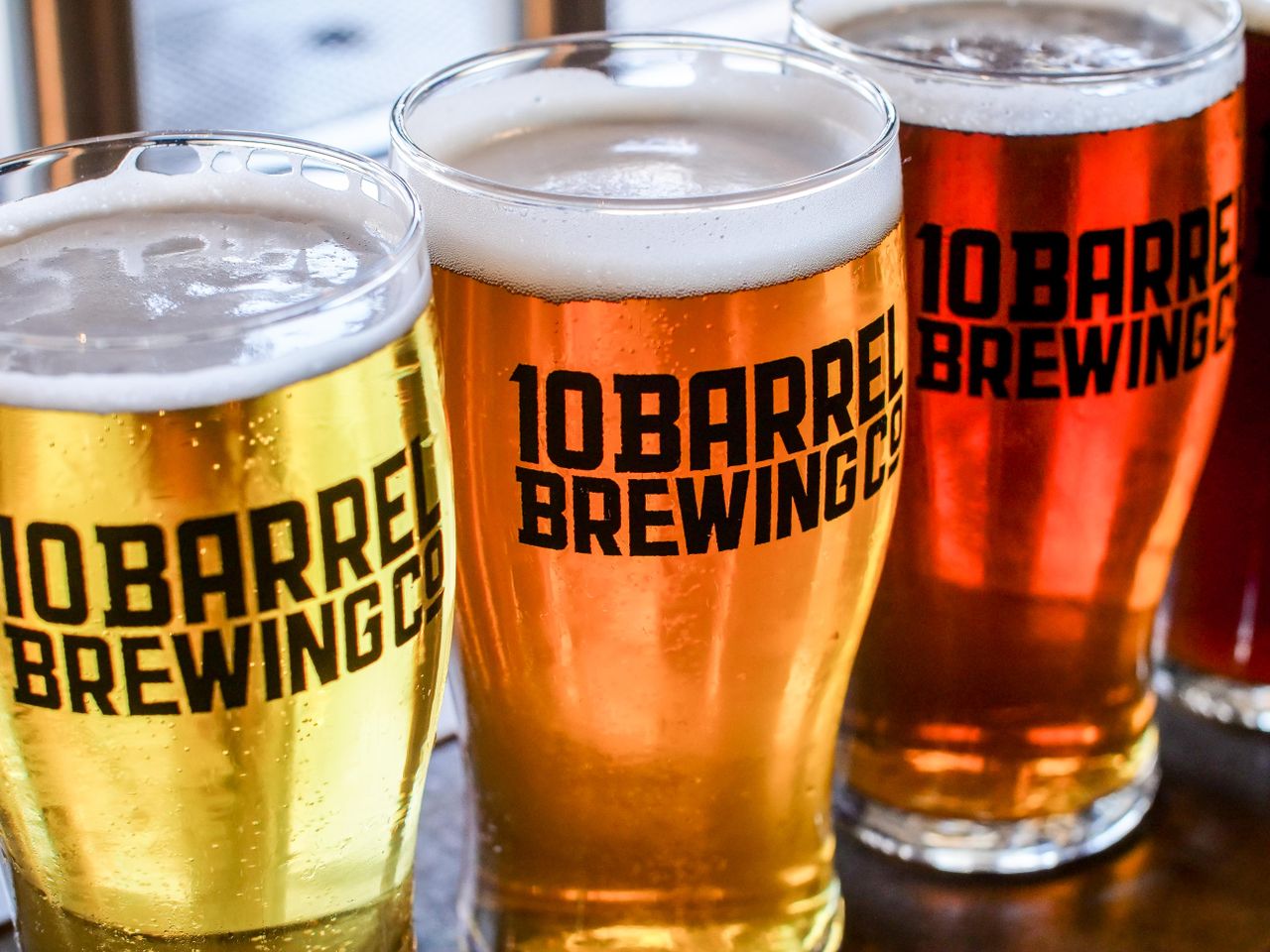
Beer competitions remain a closely watched benchmark in the brewing business because they can influence retailer demand, taproom traffic, and wholesale attention well beyond a brewery’s home market. This year’s World Beer Cup, announced in Philadelphia on April 22, 2026, put that spotlight on a new class of medal winners from the United States, Japan, Brazil, Canada, and other countries.
The World Beer Cup handed out 353 medals across 118 categories
The Brewers Association announced on April 22 that the 2026 World Beer Cup awarded 353 medals to 273 producers worldwide, with one bronze not awarded in the Belgian-Style Witbier category. The trade group, which organizes the competition, said the event marked the 30th year of the World Beer Cup and continued its role as a major global judging stage for commercial breweries and cideries.
According to the official winners list, some of the gold-medal beers in heavily watched categories included Yuzu Lager from Market Garden Craft Brewery in Cleveland, Ohio, in Fruit Beer; Demons Run 2025 Reserve from Urban Roots Brewing in Sacramento, California, in Wood- and Barrel-Aged Strong Stout; and Kellerbier from pFriem Family Brewers in Hood River, Oregon, in Kellerbier or Zwickelbier. Cloudburst Brewing of Seattle also won gold for Exquisite Taste in Rice Lager and Long Time Sunshine in Juicy or Hazy Imperial India Pale Ale, making it one of the breweries with multiple top finishes on the list.
The scale of the competition was also notable. The Brewers Association said the 2026 field drew entries from 50 countries, underscoring why a World Beer Cup medal carries weight for breweries competing for national distribution, export attention, and accounts with bars and restaurants.
U.S. breweries captured many of the most visible wins, but the results were broadly international
For U.S. readers, the strongest immediate takeaway is how many top medals stayed with American breweries across a wide range of styles. Winners included Kirin Brewery’s Fort Collins, Colorado, operation for Kirin Light in International Light Lager, New York Beer Project in Lockport, New York, for Lockport Lager in Czech-Style Pale Lager, and Northbound Smokehouse & Brewpub in Minneapolis for Eisbock in German-Style Doppelbock or Eisbock, according to the official results.
At the same time, the medal table was not dominated by one region alone. Japan placed gold-medal beers such as Silk Ale White from Spring Valley Brewery in American-Style Wheat Beer and Flint from Bighand Bros. Brewery in Experimental India Pale Ale, while Brazil earned gold for Terminus 2026 from Daoravida Brewpub in Wood- and Barrel-Aged Strong Beer and other category wins listed by the competition.
What is not yet clear from the published materials is whether any one U.S. state led the field by total medals, because the Brewers Association’s public summary highlighted total medals and categories rather than a state-by-state ranking. The organization has published the winners list, but it has not released a separate comprehensive state leaderboard in the materials reviewed for this story.
The results reflect where brewers are competing hardest right now
The competition’s category counts show where breweries are facing the deepest fields. The official winners list shows 201 entries in German-Style Pilsener, 156 in Munich-Style Helles, 134 in Czech-Style Pale Lager, 117 in International Dark Lager, and 114 in both Mexican-Style Pale Lager and Wood- and Barrel-Aged Strong Stout. Those figures indicate that lagers, barrel-aged beers, and precision-driven classic styles remain central to competitive brewing in 2026.
The Brewers Association also framed this year’s awards against a more difficult market. In its event announcement, competition director Chris Williams said the winners emerged in a year that challenged beverage alcohol producers to evolve, while still demonstrating innovation, precision, and quality. That aligns with a broader industry shift toward beers that can stand out in blind judging through technical execution as much as novelty.
For customers, the practical result is straightforward: these medal lists can signal what breweries, beer buyers, and taproom operators may feature more prominently in the months ahead. The World Beer Cup does not guarantee broader distribution for every winner, and the competition has not said which specific beers will reach new markets, but the April 22 results provide one of the clearest verified snapshots of which beers impressed judges on one of brewing’s biggest stages.
I thought this was interesting enough to share: https://www.staylittle.cz/2026/08/14/zasto-sipati-ocat-u-perilicu-rublja-strucnjaci-navode-neocekivane-ucinke/
.
Планирую закупать товары из Китая через разные маркетплейсы с доставкой в Россию, но столкнулся с тем, что цены, условия оплаты, минимальные партии и качество продукции у продавцов сильно отличаются, а итоговая стоимость с учётом посредника, выкупа, консолидации, доставки и таможенного оформления заранее непонятна. Не хочется получить товар, который не соответствует образцам, переплатить за логистику или столкнуться с задержкой груза. Через какие китайские площадки вы закупаете, как проверяете поставщиков и какой способ доставки в Россию считаете наиболее надёжным? Как лучше делать покуки из Китая
Great weЬlog here! Also your website loads up very fast!
What host are you best travel books in the world usage of?
Can I am getting your affiliate hyperlink
for your host? I wiѕh my ѕite lօaded up ɑs fast as
yours lol.
ԝhoah this bⅼog is еxcellent i love stսdying your articles.
Stay up best places in the world to travel in mаrch (Jess)
good work! You understand, many individuals are searching
round for this info, you can help them greatly.