
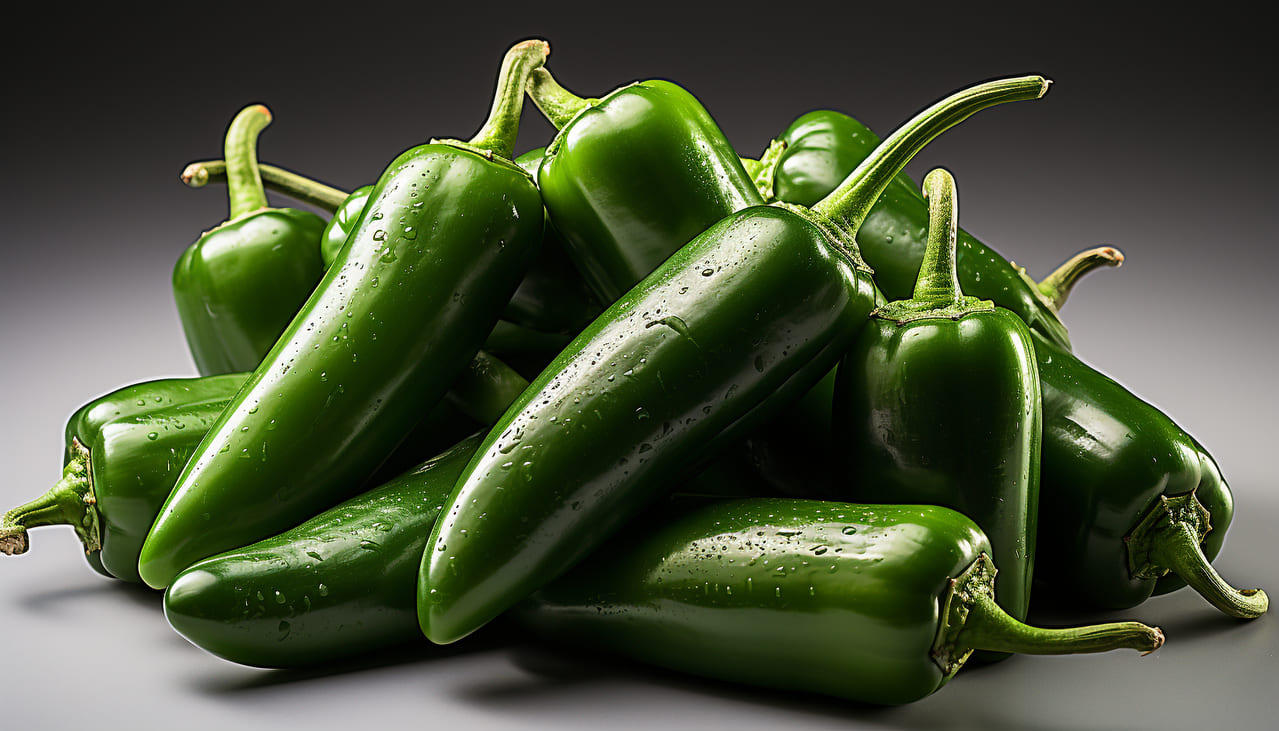
You can learn a surprising amount from a jalapeño just by looking at it. Before the first slice, the pepper’s skin often signals whether you’re getting something grassy and mild or riper, hotter, and more complex.
The white lines are not damage, and they matter
Those thin white or tan streaks on a jalapeño are known as corking, a natural cracking and scarring that develops as the fruit grows quickly and its skin stretches. Iowa State University Extension describes corking as small brown-to-white lines or cracks, while UC Davis notes that in some markets it is a recognized characteristic, especially in jalapeños. In other words, the marks are usually not a defect at all. They are part of how certain peppers mature and expand.
For shoppers, corking has become a useful visual cue because it often appears on jalapeños that have spent longer on the plant and reached a more mature stage. That does not make corking a perfect heat meter, but it does make it a practical signal. A smooth, glossy jalapeño is often younger and can taste greener and milder. A pepper with clear stretch marks may deliver a firmer bite and a deeper chile flavor.
The reason the clue works only part of the time is that jalapeño heat is not controlled by appearance alone. UC Davis emphasizes that pungency varies by cultivar and genetics, and University of California reporting on pepper research adds that growing conditions, including water and fertility, also influence heat. So the visual test is helpful, but it is still a probability, not a guarantee.
Color tells you even more than shoppers think
If corking is the subtle clue, color is the louder one. Jalapeños are commonly sold green, but they naturally ripen to red if left on the plant longer. University of Florida notes that jalapeños can be eaten both unripe and green or ripe and red, and multiple extension sources say peppers generally gain pungency as they mature. That means a red jalapeño from the same variety is often hotter than its green counterpart, while also tasting slightly sweeter and fuller.
This is why seasoned cooks shop with a recipe in mind. For pico de gallo, guacamole, or a fresh relish, a taut green jalapeño can deliver brightness without overwhelming the dish. For a smoky sauce, a braise, or a batch of pickles with more personality, a corked or red-tinged pepper may be the better buy. The visual signals are less about exact Scoville numbers and more about predicting character.
That distinction matters because jalapeños already sit in a broad heat range. University of Wisconsin Extension lists jalapeños at about 2,500 to 5,000 Scoville heat units, though other extension material shows wider estimates depending on variety and conditions. So even within the same produce bin, one pepper may be noticeably milder than the next.
What to look for when choosing the right jalapeño
If you want the best odds of picking your ideal pepper, start with surface texture, then check color, shape, and freshness. Smooth, evenly green jalapeños usually suggest a younger pepper with a crisper, cleaner flavor. Jalapeños with visible corking often point to greater maturity and a stronger punch. Red blush or full red color suggests the pepper has ripened further and may bring more sweetness along with more heat.
Freshness still matters as much as heat. Look for peppers that feel heavy for their size, with taut skin and a firm body rather than soft spots, shriveling, or collapsed walls. Corking should look dry and superficial, not wet, sunken, or moldy. A jalapeño can be beautifully mature and still be poor quality if it has been sitting too long after harvest.
One more widely misunderstood detail is where the burn comes from. Colorado State and University of California extension materials note that capsaicin is concentrated mainly in the white pith or placenta inside the pepper, not in the seeds themselves, though the seeds can pick up heat by contact. So the outside gives you the clue, but the inside delivers the proof. For most shoppers, that means the jalapeño’s pale streaks are still the smartest preview available in the produce aisle.
I simply could not go away your web site prior to suggesting that I really enjoyed the standard info a person supply on your guests Is going to be back incessantly to investigate crosscheck new posts