
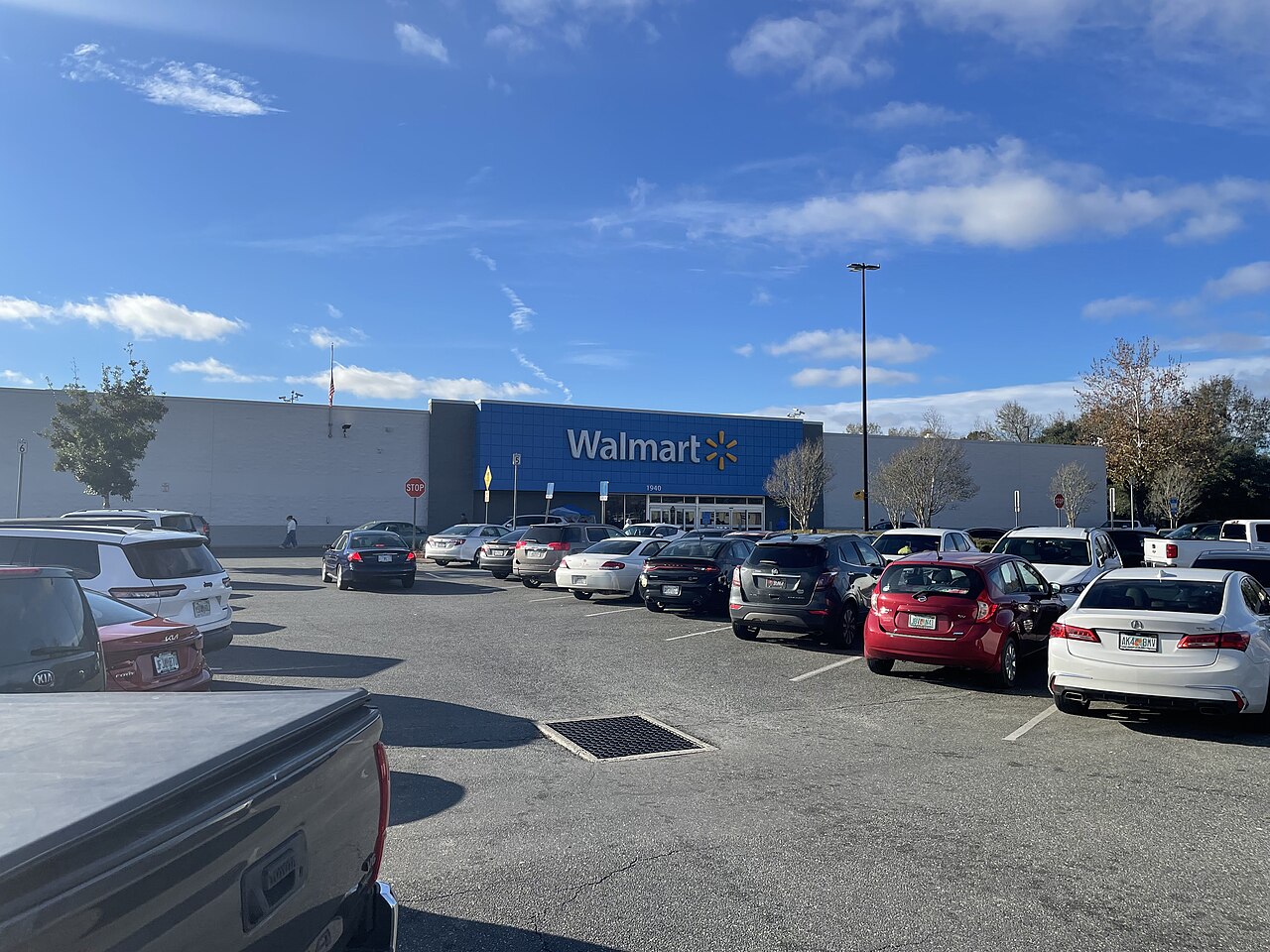
Walmart has been leaning harder on price cuts as grocers compete for budget-conscious shoppers during a summer shaped by persistent focus on food costs and seasonal entertaining. That strategy became more visible on July 6, when Walmart detailed a new wave of Rollbacks on grocery and household items sold in stores nationwide. For shoppers in the United States, the headline discounts are real, but the biggest value still depends on product size, brand preference and unit-price comparisons at checkout.
Walmart’s July 6 rollback push centered on groceries, beverages and cookout staples
Walmart announced on July 6 that it was lowering prices on “thousands” of items through its Rollback program, with the company highlighting a set of summer grocery deals in a corporate news release. Walmart said the featured offers at most stores included a one-pound 73% fresh ground beef roll for $5.94, down from $6.74, and fresh sweet corn on the cob for 25 cents each, down from 68 cents. The same announcement listed a 2.25-pound bag of fresh red cherries at $5.63, reduced from $11.18.
The company also identified several packaged grocery and household markdowns in the same July 6 release. Walmart said Great Value 48-fluid-ounce ice cream tubs were marked down to $2.50 from $2.97, while an 8-ounce bag of Lay’s Classic potato chips dropped to $2.50 from $2.97. The release further listed Frito-Lay Family Fun Variety Packs, 18-count, at $8.97 from $9.97 and Great Value disposable paper plates, 200-count, at $8.97 from $9.97.
Beverages accounted for some of the steepest advertised cuts. Walmart said Coca-Cola, Diet Coke and Coca-Cola Zero Sugar 24-packs were reduced to $9.97 from $14.97, while Pepsi, Diet Pepsi, Dr Pepper and Diet Mountain Dew 24-packs were priced at $9.97 from $13.97. Julie Barber, executive vice president and chief merchant for Walmart U.S., said in the company statement that Walmart was making “more investments in price” across categories customers shop most during the summer.
The discounts are national, but store-by-store availability and timing are not fully public
Walmart framed the rollback campaign as a nationwide summer price initiative rather than a regional promotion. In its July 6 announcement, the company said customers could find the offers in stores across the country, online and in the Walmart app, with pickup and delivery available in many locations. The company also said the featured grocery Rollbacks were available at “most Walmart stores,” which indicates the list was broad but not universal.
What is not publicly clear is which individual U.S. stores carried every highlighted item at the advertised price on the same timetable. Walmart has not released a comprehensive store-by-store list showing where each rollback was active, and the company’s announcement did not break out availability by state, metro area or city. That means shoppers could encounter differences tied to inventory, local assortment or timing even when a product was part of the national promotion.
The same national framing applied to Sam’s Club, Walmart’s warehouse division. Walmart said Sam’s Club lowered prices on more than 250 items, including Member’s Mark bone-in chicken wings at $2.00 per pound, beef hot dogs at $10.86 per pack, 88/12 ground beef at $5.97 per pound and whole bone-in pork back ribs at $3.18 per pound. Those figures provide a bulk-shopping comparison point, but they do not establish that warehouse-pack pricing beats Walmart retail packaging in every household shopping scenario.
Walmart tied the rollback campaign to broader price competition and customer spending pressure
The company’s explanation for the rollback push was direct: it described the cuts as a way to help customers “make the most out of summer” while spending less on essentials and seasonal items. In the July 6 statement, Walmart connected the savings to weekly grocery trips, backyard barbecues, road trips and family gatherings, signaling that the strategy was built around high-traffic seasonal categories. That framing aligns with the company’s broader emphasis on value as a competitive tool in food and consumables.
Walmart has been signaling that strategy for months in official company materials. In a July 1 corporate post focused on health and wellness, the retailer said it was offering more than 300 Rollbacks on fresh foods during the summer. Earlier, in a March 2 company article about digital shelf labels, Walmart said stores manage thousands of weekly price updates, including rollbacks and temporary price adjustments used for competitive advantage.
For customers, the practical takeaway is narrower than the marketing headline. The advertised prices on beef, produce and soda were confirmed by Walmart’s July 6 release, but the company did not say those offers automatically represented the lowest available unit price against every private-label, club-pack or competing grocery option. Shoppers can expect Walmart to keep highlighting Rollbacks as part of its value message, while actual savings remain most meaningful when the shelf price and the price per ounce or per pound line up.