
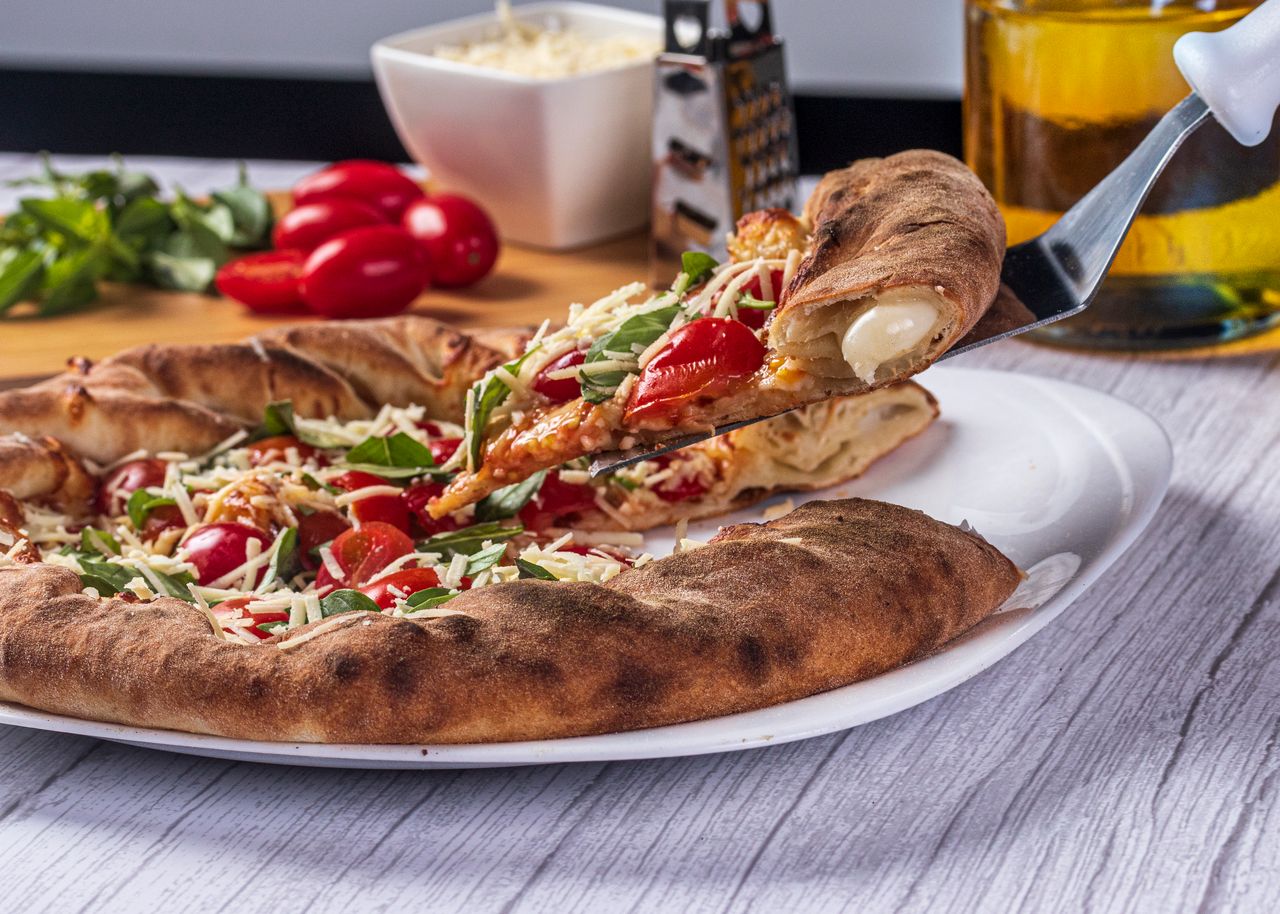
Few foods attract stronger opinions than Chicago deep-dish. To admirers, it is edible architecture; to critics, it is a tomato-laden imposter. The truth is more interesting than either joke.
How Chicago Built Its Most Famous Pie
Chicago-style deep-dish is not an ancient Italian inheritance with a tidy family tree. Most historians trace its debut to 1943, when Pizzeria Uno opened in Chicago and introduced a pizza baked in a deep pan with a high rim, creating a pie that looked and ate differently from the thinner East Coast styles. The Chicago History Museum places the arrival of Chicago-style pizza in the fall of 1943, and later reporting from National Geographic notes that the exact authorship remains debated even if Uno’s role is not.
That uncertainty is part of the appeal. Ownership stories have shifted over time, with names such as Ike Sewell, Ric Riccardo, and Rudy Malnati all entering the conversation depending on the source and era. Chicago’s food history often works this way: immigrant influence, local reinvention, and a little self-mythology baked together until the legend becomes almost as important as the recipe.
What is not in dispute is that deep-dish became a defining Chicago creation. The crust is pressed into an oiled pan, climbing the sides like a savory pastry shell. Cheese goes in first, then toppings, then a bright tomato layer on top, a structure designed to protect the cheese during a longer bake and deliver a knife-and-fork slice with serious heft.
That structure is exactly why so many outsiders call it a casserole. The insult lands because deep-dish is undeniably substantial. But abundance has always been part of its identity. This is a city with a taste for bold, filling food, and deep-dish reflects that instinct with theatrical confidence.
Why “Deep-Dish” and “Stuffed” Are Not the Same
One reason the casserole joke persists is that many visitors do not realize Chicago has multiple thick-crust traditions. Deep-dish and stuffed pizza are often treated as synonyms, but Chicago pizza experts and local shops have long distinguished them. Eater Chicago and other Chicago-focused guides note that stuffed pizza is a later development, usually associated with the 1970s, when bakers added a second thin layer of dough beneath the sauce.
That second layer changes everything. A classic deep-dish pie is open-faced, with a buttery or oil-rich crust supporting cheese, toppings, and sauce. Stuffed pizza encloses the fillings more completely, creating an even denser, more pie-like experience. Giordano’s, for example, explicitly describes its signature product as stuffed pizza, while Lou Malnati’s leans into a flaky, buttery deep-dish identity with its well-known buttercrust.
These distinctions matter because texture is central to the argument. Deep-dish, at its best, balances crisp edges, molten cheese, and uncooked-tasting tomato avoided through a long bake. Stuffed pizza pushes further into indulgence, often stretching cheese in dramatic sheets and delivering a more enclosed, almost celebratory excess.
So is deep-dish really pizza? Of course it is. Pizza has never been one rigid global standard; it is a family of forms shaped by place, ovens, ingredients, and appetite. Chicago did not misunderstand pizza. It localized it, amplified it, and turned it into a regional style strong enough to provoke arguments generations later.
The Verdict: Costume Joke or Culinary Landmark?
The fairest verdict is that Chicago deep-dish is both over-mocked and occasionally misunderstood. It is not everyday takeout in the way tavern-style pizza is for many Chicagoans, and even local writers point out that the city’s pizza culture is broader than one style. But being less routine does not make deep-dish less authentic. It makes it more ceremonial: a meal people choose when they want occasion, not just convenience.
Its staying power comes from more than nostalgia. Restaurants such as Lou Malnati’s, founded in 1971, have built multistate followings around specific details like Wisconsin mozzarella, vine-ripened tomato sauce, and signature sausage blends. Giordano’s has spent more than 50 years turning stuffed pizza into a national shorthand for Chicago abundance. These are not novelty operations surviving on tourism alone; they are institutions refining a format with loyal demand.
The casserole line will never disappear because it is too convenient, too visual, and too funny. Yet the joke misses the craftsmanship required to make a deep-dish pie balanced instead of clumsy. A bad one is heavy. A great one is structured, crisp, bright, and improbably harmonious despite its mass.
So no, Chicago deep-dish is not a casserole wearing a pizza costume. It is a regional American masterpiece that happens to look outrageous from the outside. And perhaps that is the highest compliment of all: nobody confuses it with anything else.