
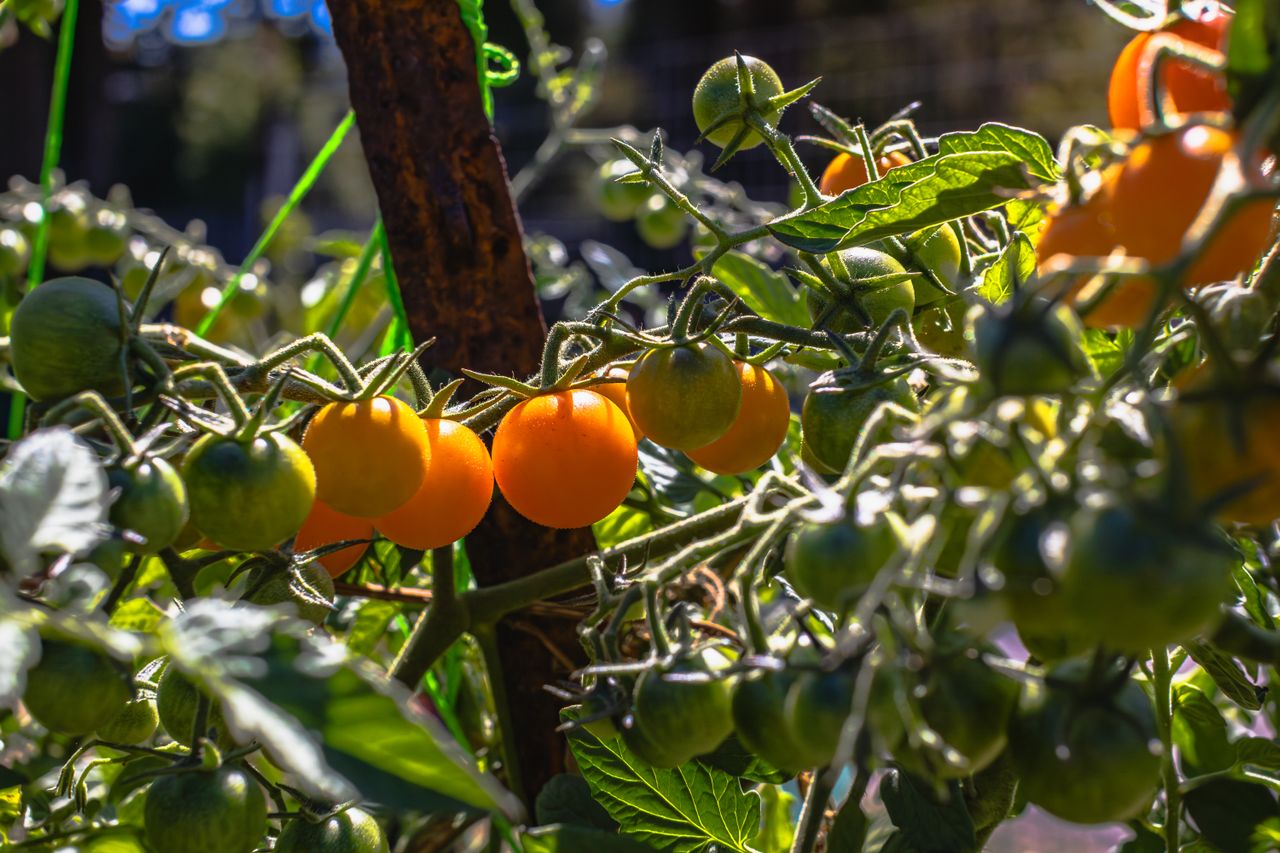
Tomatoes and basil belong together on the plate, and many gardeners also like them side by side in the bed. The idea that basil can make tomatoes taste sweeter is popular, but the best-supported version of that claim is more modest: basil may help tomatoes indirectly, while sweetness itself is mostly driven by variety and growing conditions.
Why basil is the garden addition people keep pairing with tomatoes
Basil is the surprising add-in most often tied to sweeter-tasting tomatoes, especially in companion planting advice from extension programs and garden educators. Oregon State University Extension lists basil as a tomato companion, and Penn State Extension says basil interplanted with tomatoes can help mask tomato plants from thrips. The University of Delaware also notes that companion planting claims are often rooted partly in folklore, even when diverse plantings can still bring real garden benefits.
That distinction matters for home gardeners. A basil plant tucked near tomatoes may support a healthier garden setup by adding diversity, drawing pollinators if allowed to flower, and helping attract beneficial insects, according to University of Maryland Extension and Delaware Cooperative Extension. Healthier plants and lower pest pressure can translate to better fruit quality at harvest, even if that is not the same thing as basil chemically sweetening the tomato.
There is also some older academic work behind the tomato-basil pairing. A West Virginia University thesis examined tomato, basil, and companion planting effects on yield, pest density, and flavor. Even so, extension guidance today is generally careful not to promise dramatic flavor changes from one neighbor plant alone.
What actually makes a tomato taste sweeter
If your goal is sweeter tomatoes, the strongest guidance from extension sources starts with the tomato itself. Illinois Extension says tomato sweetness is predetermined by the variety, pushing back directly on myths that adding sugar to the planting hole will make harvested tomatoes sweeter. That same myth-busting approach is important because many garden tips get repeated far more often than they get tested.
Growing conditions still shape flavor in a big way. University of Maryland Extension notes that plant nutrition, including potassium, affects tomato quality, and uneven growing conditions can reduce fruit performance. Consistent watering, good sun exposure, and proper fertility usually do more for flavor than a single trick or additive.
That is why basil makes the most sense as part of a broader strategy, not as a magic fix. A well-chosen tomato variety, picked fully ripe, will usually have a bigger impact on sweetness than any companion plant. Basil may still earn its spot because it is useful, edible, and easy to fit into the same summer garden.
How to use the tomato and basil pairing at home
For a practical setup, interplant tomatoes and basil in the same bed with enough spacing to preserve airflow. University of Maryland Extension describes interplanting patterns such as alternating crops within a row, and Oregon State Extension points to companion planting as a way to use space efficiently while supporting plant health. The goal is not crowding, but a diverse bed that stays manageable.
If you want the best shot at flavorful tomatoes, focus first on basics. Choose a variety known for good flavor, give it full sun, water consistently, and harvest when the fruit is fully colored and ripe. Basil can then play a supporting role by fitting neatly into the same bed and giving you an instant kitchen pairing once both crops are ready.
And if the tomatoes still are not especially sweet, basil is not the failure point. Extension sources make clear that sweetness is mostly about genetics and sound growing conditions, while companion planting is best treated as a useful garden practice rather than a guarantee. Still, few additions are easier to justify than one that may help the garden and definitely improves dinner.