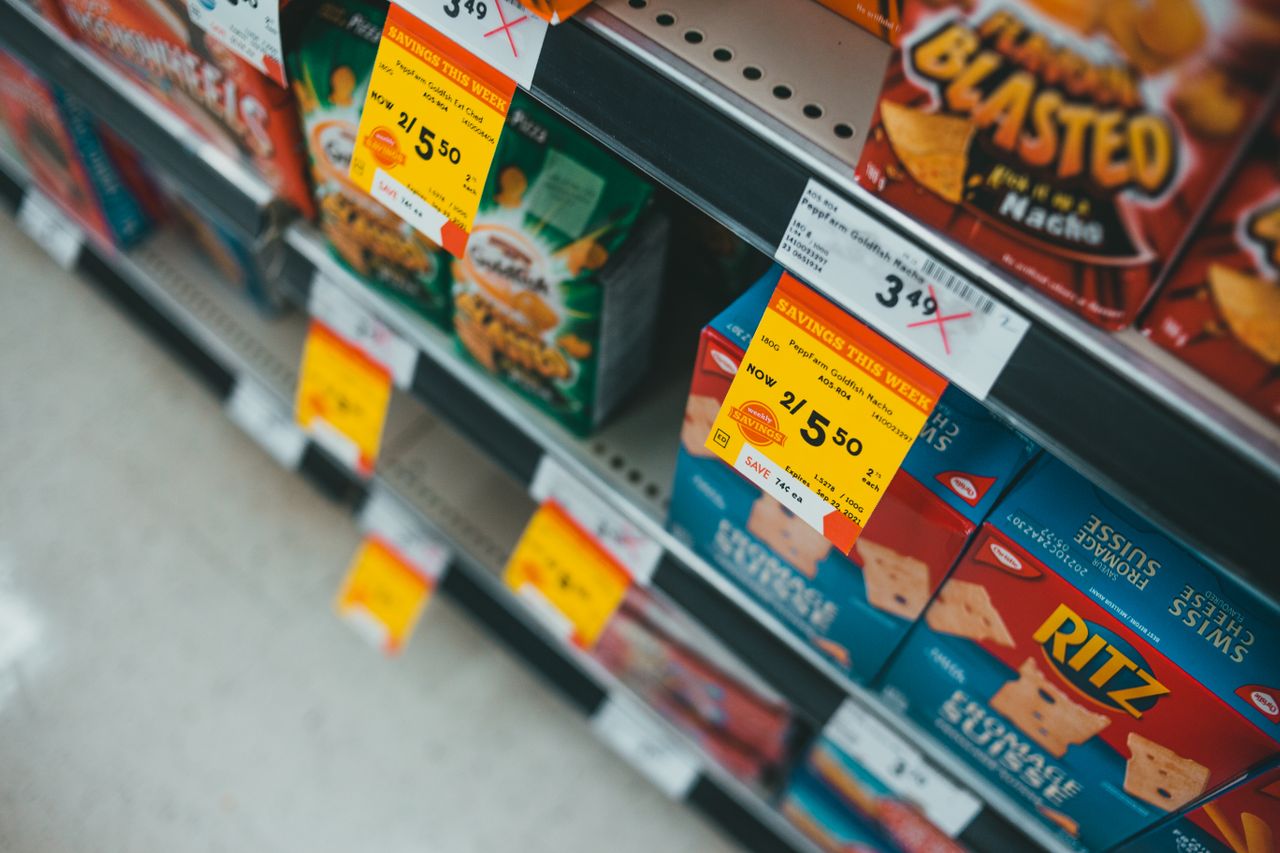
Most shoppers assume a sale disappears the moment the shelf goes empty. That is often wrong.
The overlooked move is asking for a rain check, a simple store promise that lets you come back later and still pay the sale price.
What a rain check really does for shoppers
A rain check is essentially a delayed discount. If an advertised item is sold out, the store may give you a written or printed note allowing you to purchase that product later at the same promotional price once it is back in stock. In practical terms, it protects you from losing a bargain just because you arrived after a rush on the shelf.
This is not just a courtesy in the abstract. The Federal Trade Commission’s Retail Food Store Advertising and Marketing Practices Rule says retail food stores cannot advertise covered items without having them available at the advertised price, unless they took reasonable steps and then resolve the shortage through options such as a rain check, a comparable substitute, or other compensation of equal value. The FTC reaffirmed that rule in its review of the regulation.
That matters because many consumers still think a store can simply shrug and say the item is gone. In reality, at food retailers especially, the issue is more structured than that. Some state consumer guidance also reinforces the idea that if a grocer runs out of an advertised item, the store should provide a remedy rather than leave the customer empty-handed.
Why many shoppers never ask for one
Rain checks are less visible than they used to be. Weekly circulars have gone digital, store labor is tighter, and some chains prefer offering a substitute product instead of writing a paper slip. That makes the practice feel old-fashioned, even though it still survives in many grocery and drugstore settings.
Another reason shoppers miss out is that policies vary by retailer, item type, and sale language. If an ad says quantities are limited or “while supplies last,” the store may narrow what it owes customers. Certain products also fall outside normal rain check treatment, including clearance merchandise, seasonal goods, and highly promoted limited-quantity items. That is why one shopper may get a rain check for canned soup, while another gets denied on a holiday gift set or a doorbuster.
Stores also put limits on quantity and redemption windows. Walgreens, for example, states that a rain check may be issued when a weekly ad item sells out before the ad period ends, and consumer reporting has noted that these are typically valid for a set period rather than indefinitely. That means shoppers should read the slip carefully and ask exactly how many units it covers.
How to use the trick without wasting time
The best moment to ask is while you are still in the store, ideally with the ad or digital listing pulled up on your phone. Be specific: name the item, size, flavor, and advertised price. If the associate says they are out, ask whether they can offer a rain check or a comparable substitute at the sale price.
Good rain checks are detailed. They should include the product description, quantity allowed, sale price, issue date, and expiration date. If the writing is vague, redemption can become a hassle later, especially at another register or another location. Clear documentation turns a casual promise into something the next cashier can honor quickly.
It also pays to be realistic. Not every store, and not every item, will qualify. But the habit of asking is valuable because the upside is immediate: one short question can preserve a discount days or weeks after the promotion ends. In a period when grocery prices still feel stubbornly high, that small, underused tactic is one of the easiest ways to shop like an insider.