
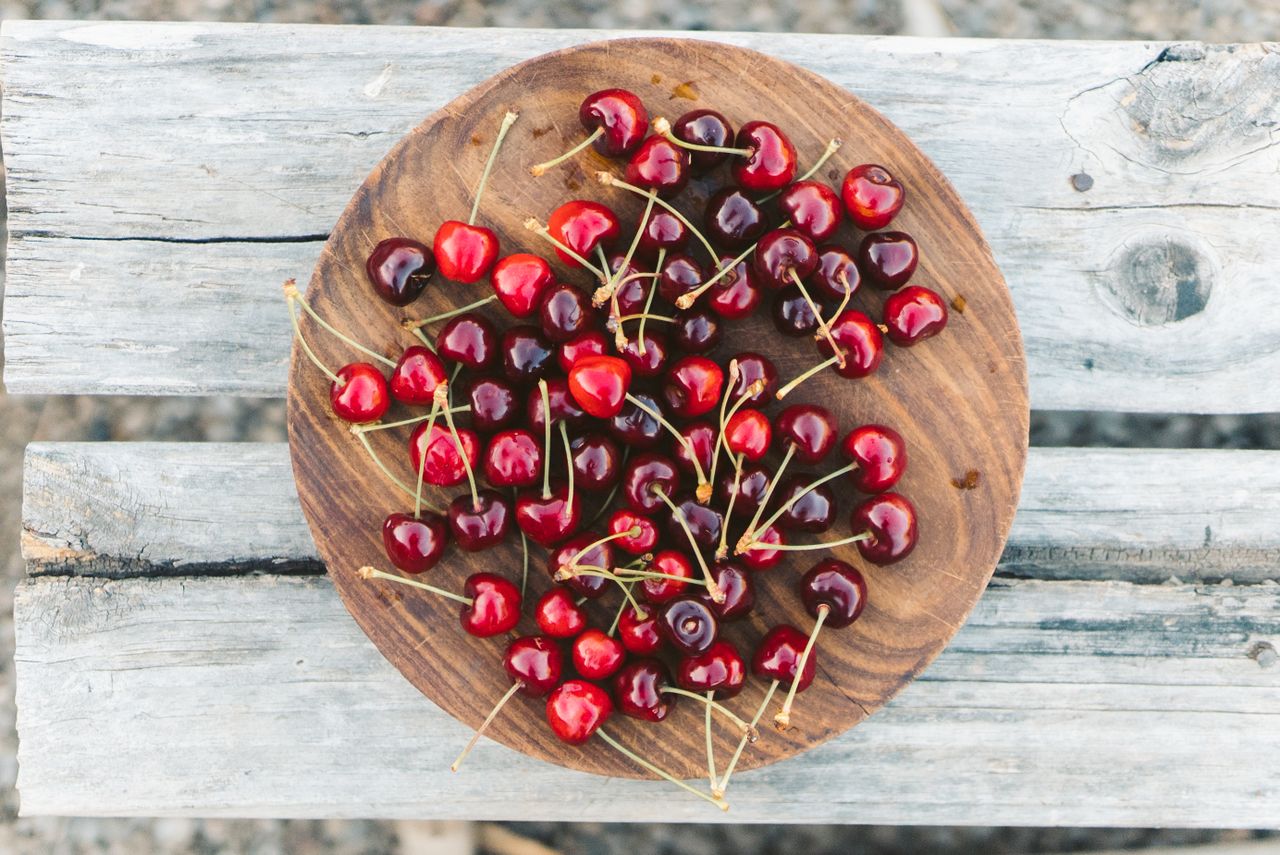
Cherries are one of summer’s shortest pleasures. That is exactly why one small storage mistake matters so much.
Washing them too soon is what shortens their life
The biggest mistake people make with cherries the moment they get home is rinsing the entire bag immediately. It feels tidy and efficient, but extra moisture is the enemy of fresh cherries once they go into storage. According to USDA guidance and multiple university extension programs, cherries should generally be stored unwashed and cleaned only right before eating.
That advice is grounded in simple produce science. Moisture left on the skin can encourage faster spoilage, soften the fruit, and increase the odds of mold developing in a crowded bowl or bag. Utah State University notes that ripe cherries should be refrigerated and used within 3 to 5 days, adding that washing ahead of time can make them spoil more rapidly unless they are dried very thoroughly.
This is where good intentions go wrong. Many people come home from the market, rinse produce in one batch, and assume they are saving time for the week ahead. But cherries have delicate skins, bruise easily, and trap water around the stem cavity, which makes them especially vulnerable compared with sturdier fruits.
If you want the best bite, think of cherries less like apples and more like berries. Their appeal is crisp skin, taut flesh, and concentrated sweetness. The minute they sit wet in the refrigerator, that ideal texture starts slipping away.
What to do instead when you unpack them
The better move is simple: refrigerate cherries as soon as possible, keep them dry, and avoid crushing them under heavier groceries. USDA SNAP-Ed recommends storing ripe cherries in the refrigerator in a loosely sealed plastic bag, and University of California and Washington State extension materials similarly emphasize cold storage and delaying washing until serving time.
If the cherries came home in a sealed clamshell or produce bag, check for any split, bruised, or leaking fruit before storing them. One damaged cherry can speed deterioration in the rest of the batch. Pull out the bad ones, then place the good fruit back into a breathable or loosely closed container so excess humidity does not get trapped around them.
A shallow container also helps. Purdue Extension advises refrigerated storage for about 3 to 5 days, and that shorter, flatter arrangement reduces bruising from the weight of fruit piled on itself. Stems can stay on, too, since they help reduce moisture loss and make the cherries look and feel fresher longer.
If you did wash them already, the fix is not to panic. Spread them out, dry them thoroughly with clean towels, and refrigerate them promptly. They may not last as long as untouched cherries, but careful drying can still limit the damage.
How this one habit affects flavor, waste, and value
This storage habit is not just about appearance. Cherries are a premium seasonal fruit, and wasting even part of a bag adds up quickly. Extension experts at the University of Arkansas recently emphasized that produce often lasts longer when it is washed right before eating rather than before storage, because excess moisture accelerates deterioration.
There is also a flavor penalty. As cherries soften, they lose the firm snap that makes sweet varieties so satisfying for snacking, baking, and salads. A cherry that is merely edible is not the same as one that tastes peak-season fresh, and early washing often moves fruit from the first category to the second faster than people realize.
For households trying to stretch groceries, the best cherry strategy is boring but effective: sort, chill, keep dry, wash only portions as needed. That approach preserves texture, reduces spoilage, and gives you more flexibility to use the fruit in yogurt, desserts, lunch boxes, or simple grab-and-go snacks over several days.
So if you remember just one thing when you walk in the door with cherries, make it this: do not race them to the sink. The smarter first stop is the refrigerator, where cold and dryness protect the very qualities you paid for.